


Blog
Want to be notified whenever we publish a new blog?
Give us your email address and click submit to sign up for notifications once a month.
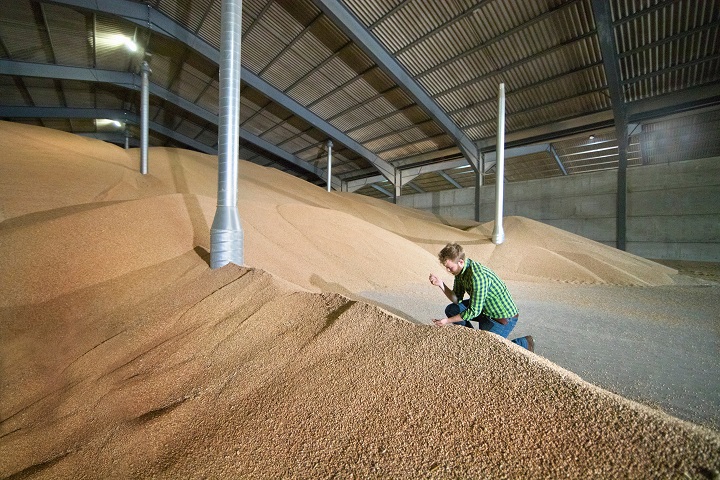
Why farmers should invest in grain analysis: part 2
Here are 6 more reasons why you should invest in grain analysis, and how grain analysis helps you optimise crop nutrition.
Author:
Alli Arden
NRM
20 July 2026
Turning organic nutrients into measurable value ahead of third-cut silage
There is a critical window for third-cut silage where the effective use of slurry and manures can significantly influence yield and quality.Author:
Alli Arden
NRM
14 July 2026
Why farmers should invest in grain analysis: part 1
Here are 5 agronomic reasons to invest in grain analysis, helping farmers optimise crop management and protect yield and quality.Author:
Alli Arden
NRM
6 July 2026
PFAS explained: What UK farmers need to know now
For many UK farmers, PFAS is an unfamiliar topic. What are PFAS, why are they receiving so much attention, and what could they mean for your farm?Author:
Alli Arden
Marchwood
NRM
1 July 2026
SFI soil actions: building on the foundations already laid
Even though SFI payments have changed, farmers should continue building on the foundations already laid by the SFI soil actions. Here's why.Author:
Alli Arden
NRM
15 June 2026

The evolution of the Sustainable Farming Incentive: from launch to SFI 2026
The evolution of the Sustainable Farming Incentive: from launch in 2021 to the new SFI scheme being released June 2026.Author:
Alli Arden
NRM
9 June 2026
6 more reasons to measure forage quality: decisions you can make as a result of forage analysis
Here are 6 more reasons to use forage analysis to measure quality - including advice on the decisions you can make with insightful data.Author:
Alli Arden
Sciantec
27 May 2026
The impact of weather: 5 reasons why livestock farmers should measure forage quality
Being aware of the effects of conditions and monitoring changes through regular forage quality testing allows farmers to respond proactively.Author:
Alli Arden
Sciantec
19 May 2026

6 ways to protect your mental health
For Mental Health Week, we're looking deeper into mental health to help us all take steps towards improving our quality of life.
Author:
Lauren Skinner
Cawood
11 May 2026
Why global conflicts like the war in Iran means farmers should invest in soil analysis
Here's why global conflicts like the war in Iran - which has driven up fertiliser prices - means that farmers should invest in soil analysis.
Author:
Sophie Cath
NRM
30 April 2026

When to sample autumn sown cereals in 2026: key growth stages and what they tell you
While winter cereals follow a pattern, the timing of each growth stage is far from fixed. Learn more about the key growth stages and what they tell you.Author:
Alli Arden
NRM
23 April 2026
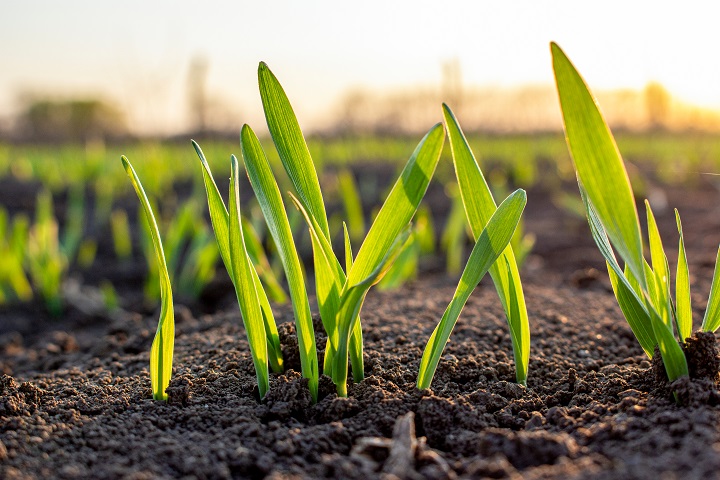
Why does growth stage tissue analysis matter?
Are you taking samples for growth stage tissue analysis this season? Improve crop production with high-quality insights.Author:
Alli Arden
NRM
15 April 2026
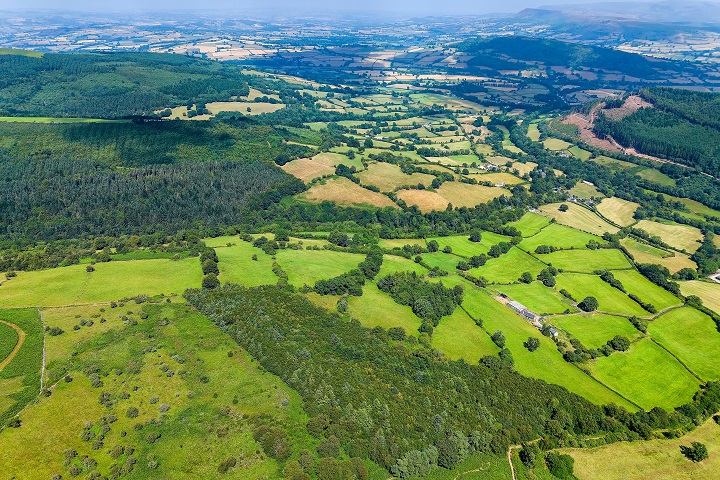
The future of Welsh farming is here: navigating the Sustainable Farming Scheme (SFS)
The Sustainable Farming Scheme (SFS) isn’t just a change in paperwork; it’s a fundamental shift in how land is valued.Author:
Alli Arden
NRM
8 April 2026
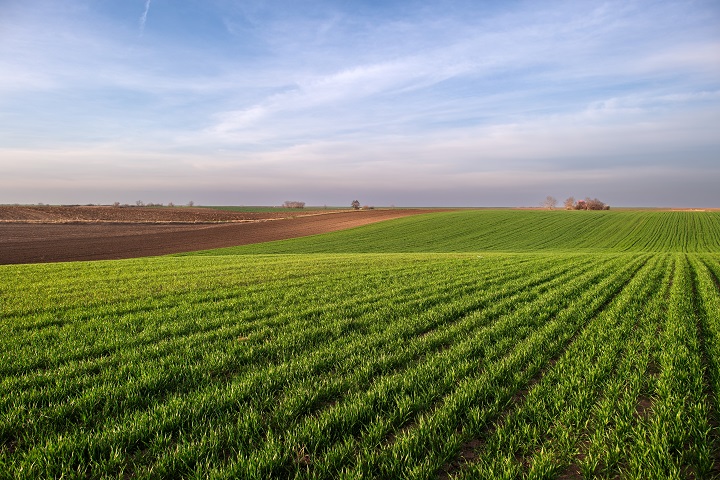
CropCheck or CropCheck Plus: which tissue analysis package should I choose?
In-season tissue testing is a reliable way to understand what’s happening within the crop. But should you pick CropCheck or CropCheck Plus?Author:
Alli Arden
NRM
24 March 2026
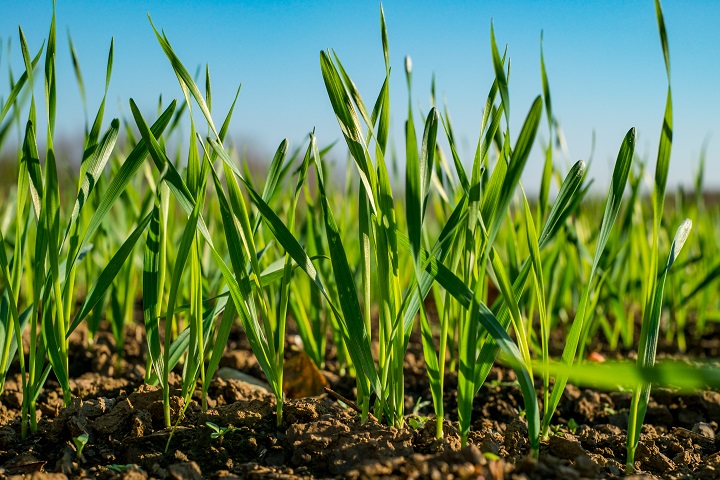
N-Check: The essential step before drilling spring sown cereals and maize
As spring approaches, advisors and farmers turn their attention to establishing cereals and maize - and soil mineral nitrogen sampling.Author:
Alli Arden
NRM
16 March 2026

Soil testing before spring: optimising nitrogen and nutrients for higher yields
Spring 2026 is just around the corner. Now's the time to step back and assess soil nutrient status to give crops the best possible start.Author:
Sophie Cath
NRM
9 March 2026
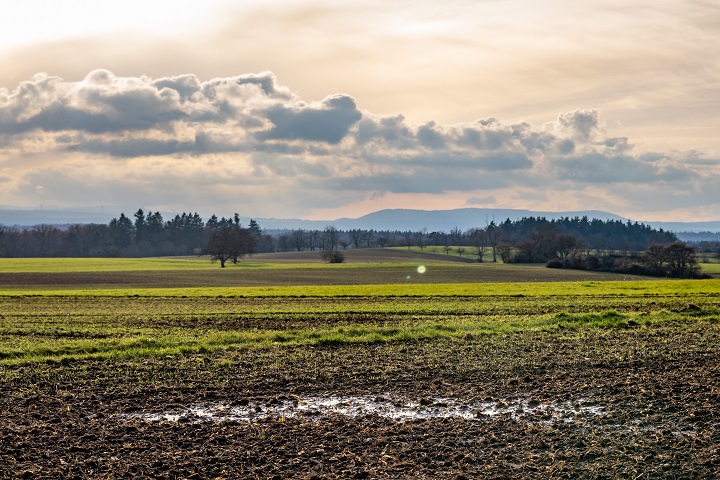
Preparing for spring cropping: key agronomic priorities after a challenging season
After one of the wettest UK winters in recent memory, it's time for growers to prepare for spring cropping.Author:
Alli Arden
NRM
3 March 2026
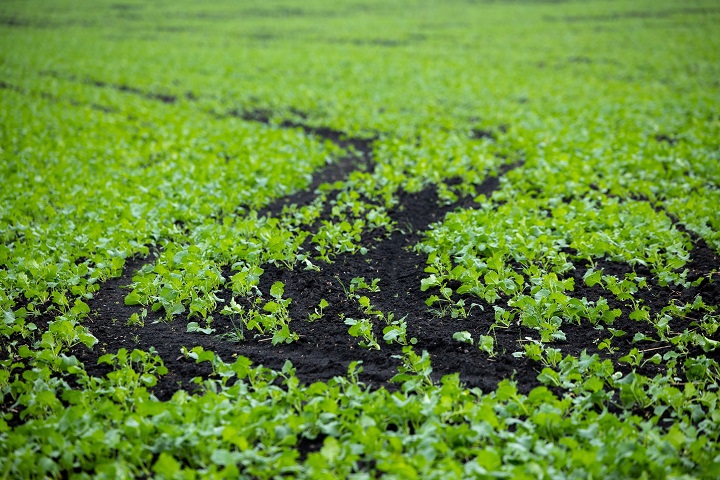
Why spring crop nitrogen matters in soil nitrogen supply calculations
Accurate nitrogen planning starts with an accurate assessment of Soil Nitrogen Supply (SNS). This is very important for spring crop nitrogen.Author:
Alli Arden
NRM
24 February 2026
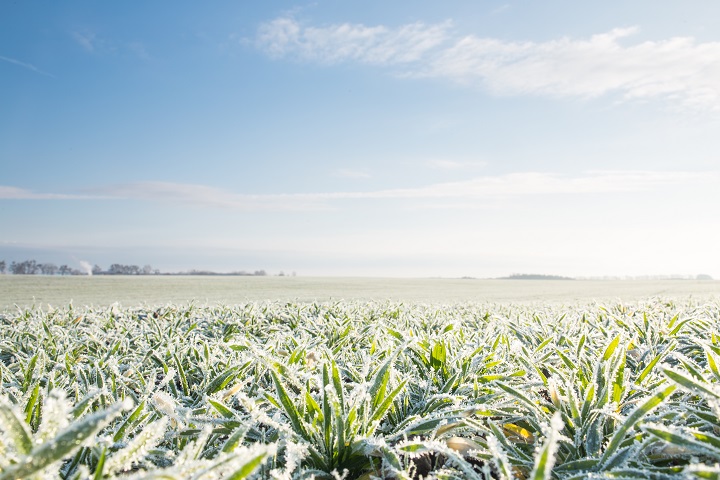
How the weather is shaping winter crop nutrition: what farmers need to know
Understanding how recent weather trends affect soil nitrogen can save costs, reduce environmental risk, and inform winter crop nutrition.Author:
Sophie Cath
NRM
3 February 2026

The Wales Sustainable Farming Scheme (SFS): new soil organic matter testing requirements
Do you know about the Wales Sustainable Farming Scheme (SFS)? Learn about recent key policy changes and what you need to do to comply.Author:
Sophie Cath
NRM
19 January 2026

Beyond the index scale #4: understanding soil pH
An exploration of pH data measured by NRM over the past twelve months and why regular monitoring and management remain essential.Author:
Sophie Cath
NRM
13 January 2026
Beyond the index scale #3: how to manage excess nutrients
An exploration into soil index 2 from our soil summary data for 2024-2025, as well as a practical guide on how to manage excess nutrients.Author:
Sophie Cath
NRM
16 December 2025

Beyond the index scale #2: building soil indices
A deep dive into indices 0 and 1 from our soil summary data for 2024-2025, as well as a practical guide on building soil indices back up to target.Author:
Sophie Cath
NRM
10 December 2025
Beyond the index scale: NRM’s soil summary 2024-2025
NRM has analysed our data against the national index scale to help growers understand their own land and how the industry is doing overall.Author:
Sophie Cath
NRM
25 November 2025

Algae in animal feed: a sustainable rising star
Is algae in animal feed ready to compete with the likes of fishmeal and soybean meal? Here's how algae is making waves.
Author:
Sophie Prentice
Sciantec
28 October 2025

PATS 2025: leading the conversation on pet food safety and quality
At PATS 2025, Sciantec tackled key questions around pet food safety & quality through precise analysis, expert insights, and engaging discussions.
Author:
Rachel Rawson
Sciantec
16 October 2025
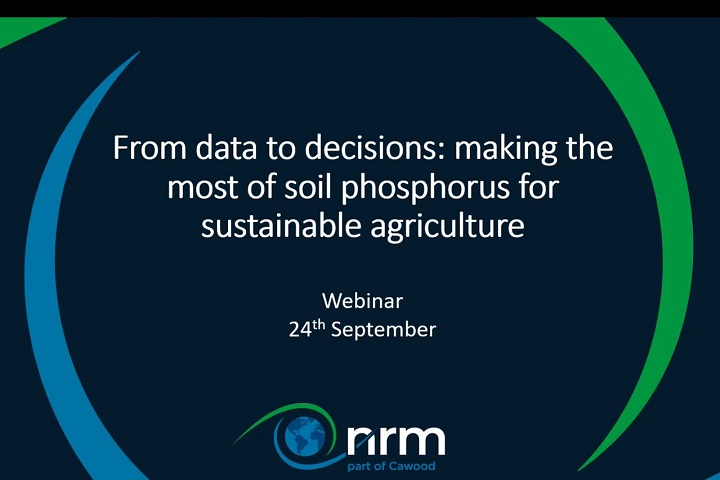
From data to decisions: getting phosphorus management right
If you missed our expert webinar on managing soil phosphorus, here are all the key insights, from data insights to practical strategies.Author:
Lauren Skinner
NRM
9 October 2025
Choosing the right AD feedstock: navigating challenges and opportunities in Anaerobic Digestion
Selecting the right anaerobic digestion (AD) feedstock is one of the most critical decisions for any plant operator. Here's how AD feedstock analysis can help.
Author:
Sultan Khan
NRM
23 September 2025
Get paid to boost herd health: the Beef Welfare Scheme 2025
Here's what you need to know to comply with the Beef Welfare Scheme 2025. Order your forage/silage kits now to meet action 3.Author:
Michael Hogan
IAS
9 September 2025

New soil analysis requirements in Ireland: what you need to know
From Monday 15th September 2025, soil analysis requirements in Ireland are changing to include geographic references. We can help you comply.Author:
Michael Hogan
IAS
26 August 2025

Understanding the Fifth Nitrates Action Programme: what you need to know
The Fifth Nitrates Action Programme (NAP) sets out measures for farmers to manage nutrient pollution. What do you need to do to comply?Author:
Michael Hogan
IAS
19 August 2025
Measuring trace elements in grain: data analysis 2020-2024
Trace elements play an essential role in plant development, but the importance of measuring how much is taken up by the grain at harvest is often overlooked.Author:
Alli Arden
NRM
4 August 2025
Defra Spending Review: what you need to do to benefit
The Defra Spending Review has resulted in a multi-year funding commitment and a new Capital Grants offer. What do you need to do to benefit?Author:
Alli Arden
NRM
10 July 2025
Grain analysis data: the nutrient status of crops
With harvest underway, it's time to take samples for personalised grain analysis data. Read on to learn more about national trends.Author:
Alli Arden
NRM
8 July 2025
How weather affected UK crop growth in 2025: grain analysis for sustainable crop production
This spring has had some of the driest weather on record. Utilise grain analysis for sustainable crop production & future farm productivity.Author:
Alli Grundy
NRM
1 July 2025

Mercury in cat food: a hidden challenge in feline nutrition
Mercury in cat food can pose real health risks to cats. What can be done to ensure our customers' pets are safe?Author:
Rachel Rawson
Sciantec
23 June 2025
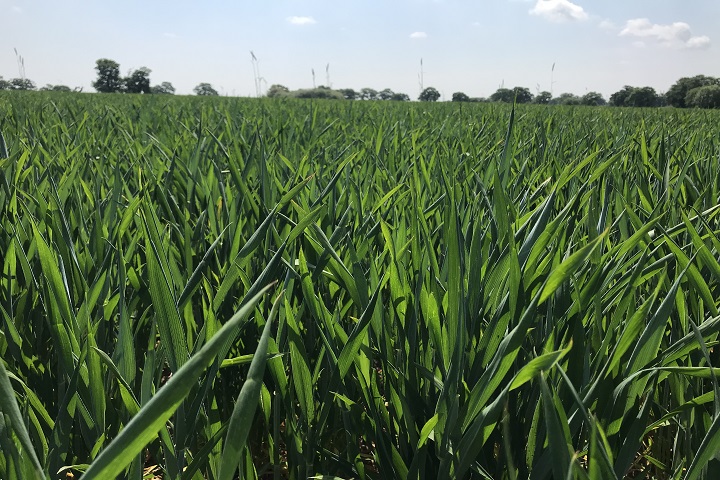
In-season tissue analysis: has this year’s weather adversely impacted your crops?
This year's weather has once again been challenging. In-season tissue analysis is required to enable proactive decision-making.Author:
Alli Arden
NRM
2 June 2025
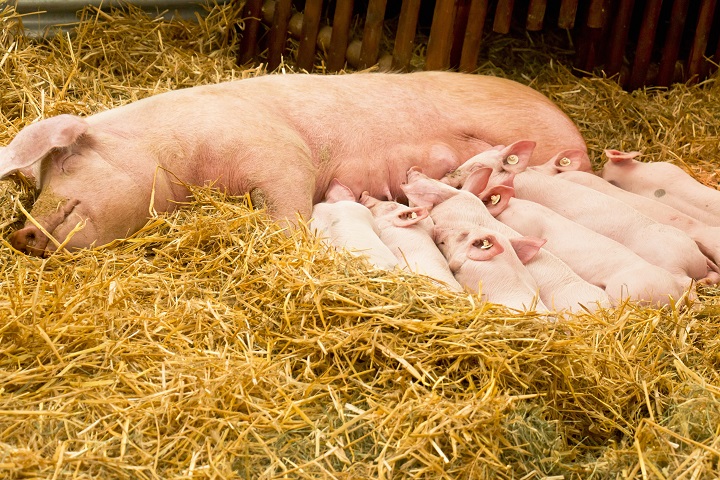
Zinc oxide in pig diets: how analysis helps you comply
Why has zinc oxide in pig diets been banned? And what can farmers do instead to uphold quality, welfare, and performance?Author:
Sophie Prentice
Sciantec
27 May 2025
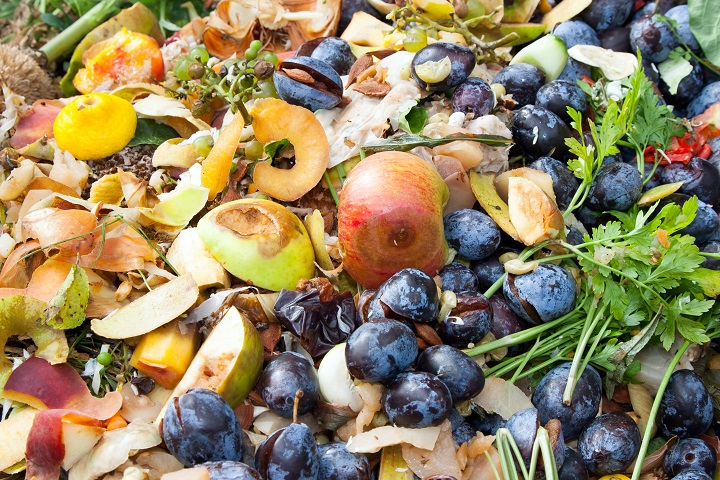
How to optimise Anaerobic Digestion: a deep dive into the process
Optimising anaerobic digestion (AD) can be complex. Here's how the AD process works and some practical tips on optimising operations.Author:
Sultan Khan
NRM
13 May 2025
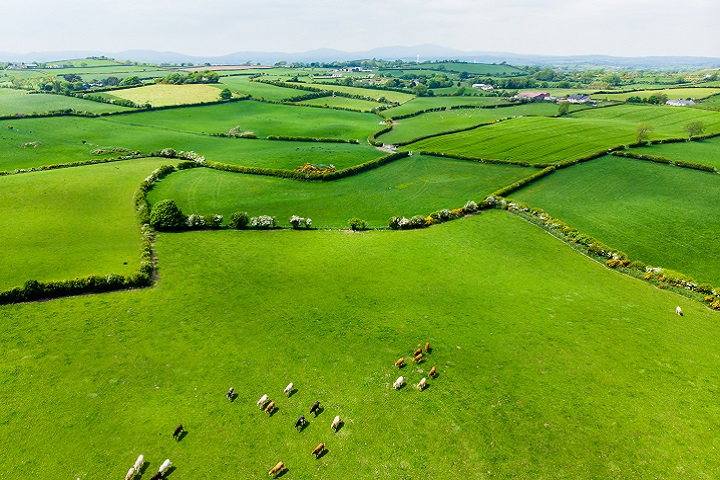
Concerned about grass and milk mineral levels this breeding season? Here’s what you can do
As the breeding season begins, now is the time to check grass and milk mineral levels to ensure optimal health, fertility, and profitability.Author:
Michael Hogan
IAS
22 April 2025
Sulphur webinar: bonus Q&A from the NRM/Rothamsted webinar
Want more expert insights from our sulphur webinar? Here are bonus answers to key questions around optimising sulphur nutrition.Author:
Lauren Skinner
NRM
15 April 2025
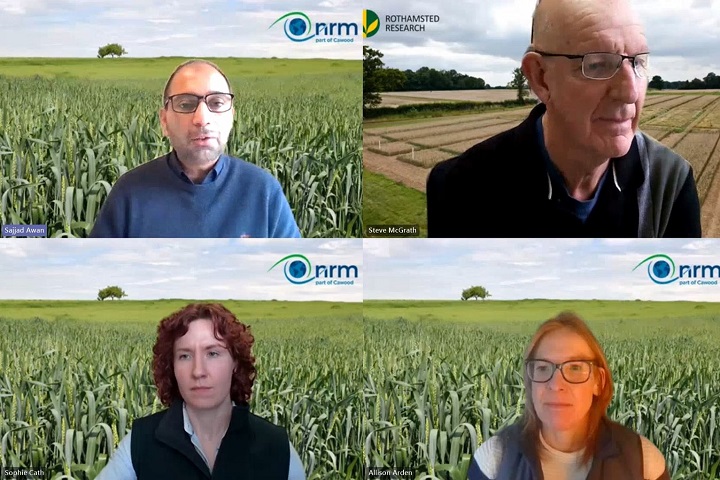
Optimising sulphur nutrition: key takeaways from the NRM/Rothamsted webinar
Here are some key Q&A insights from our optimising sulphur nutrition webinar, from the latest research to practical insights.Author:
Lauren Skinner
NRM
3 April 2025
P & K holidays: why they’re high risk without regular soil analysis
P & K holidays can carry significant risks if not carefully managed. Here's how you can maintain soil fertility and crop performance.Author:
Alli Arden
NRM
1 April 2025
Sulphur nutrition: the hidden key to crop success?
A deep dive into the importance of sulphur nutrition in maximising yield and quality, informed by insights from NRM & Rothamsted's expert webinar.Author:
Lauren Skinner
NRM
24 March 2025
SFI 2024 scheme closure: what farmers need to know
DEFRA has unexpectedly announced the closure of the Sustainable Farming Incentive (SFI) 2024 scheme. Here's what farmers need to know.Author:
Alli Arden
NRM
20 March 2025

Have you taken soil mineral nitrogen (SMN) samples for analysis yet?
If you haven't taken soil mineral nitrogen (SMN) samples for analysis yet, now's the time - but there are some things to consider.Author:
Alli Arden
NRM
26 February 2025
Are your soil sulphur levels low following last year’s extreme wet conditions?
A deep dive into recent soil sulphur levels following last year's extreme wet conditions, and how soil analysis can help.
Author:
Sajjad Awan
NRM
13 February 2025
Irish soil data analysis 2023-2024 part 2: phosphorus
Read part 2 of our annual soil summary report for 2023-2024, compiled of Irish soil data from thousands of samples.Author:
Sajjad Awan
IAS
7 February 2025

Irish soil data analysis 2023-2024 part 1: insights for sustainable agricultural production – pH
Read our first ever annual soil summary report for 2023-2024 compiled of Irish soil data from thousands of samples.Author:
Sajjad Awan
IAS
5 February 2025
Unveiling regional soil nutrient trends: data insights across Yorkshire and the South East
Do you want to know how your soils compare with the rest of the UK? Learn more about regional soil nutrient trends here.Author:
Sajjad Awan
NRM
27 January 2025
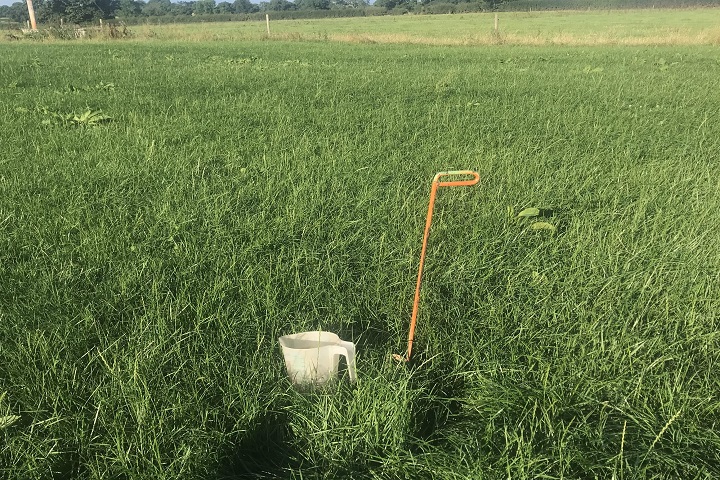
The importance of routine analysis for decision-making in agriculture
Routine analysis is important to help farmers make better decisions, operate sustainably, and optimise crop nutrition.Author:
Sophie Cath
NRM
7 January 2025
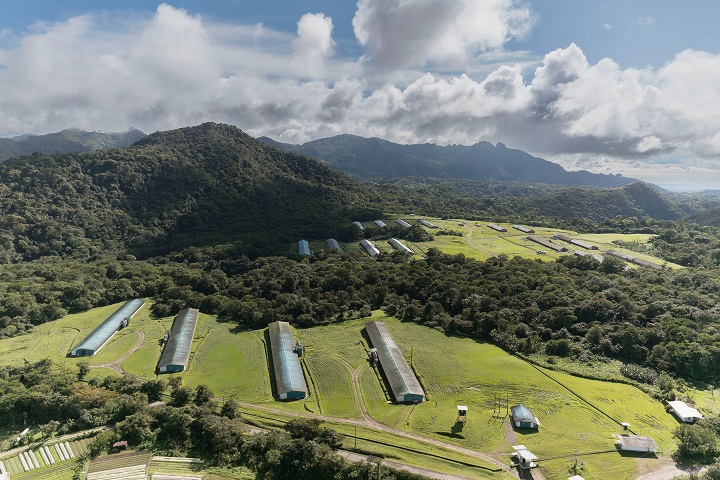
How to make the most of poultry manure: phosphate – part 2
We produce millions of tonnes of poultry manure in the UK every year. It's worth checking phosphate levels to make the most of your inputs.Author:
Alli Arden
NRM
16 December 2024

C&D wood waste legislation: a year-end update for 2024
Are you wondering what RPS 291 means for the C&D industry? Here's a year-end update to help you meet waste wood legislation.
Author:
Ben Rowe
Marchwood
10 December 2024
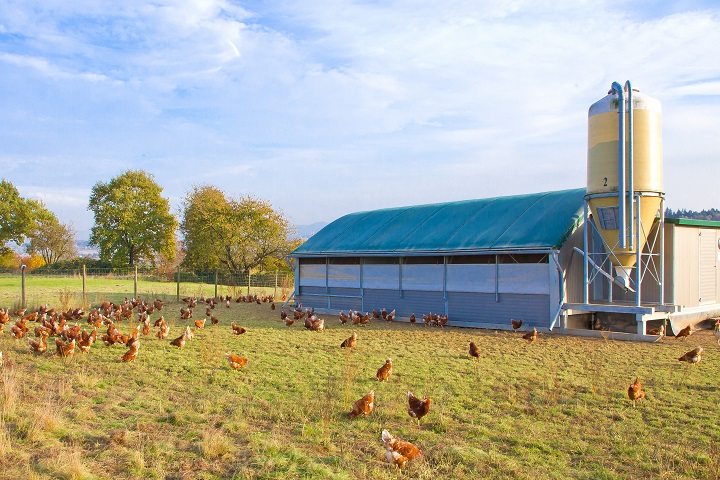
How to make the most of poultry manure and how it compares: part 1
Poultry manure is often referred to as "rocket fuel" for crops. However, managing poultry manure can be challenging.Author:
Alli Arden
NRM
2 December 2024
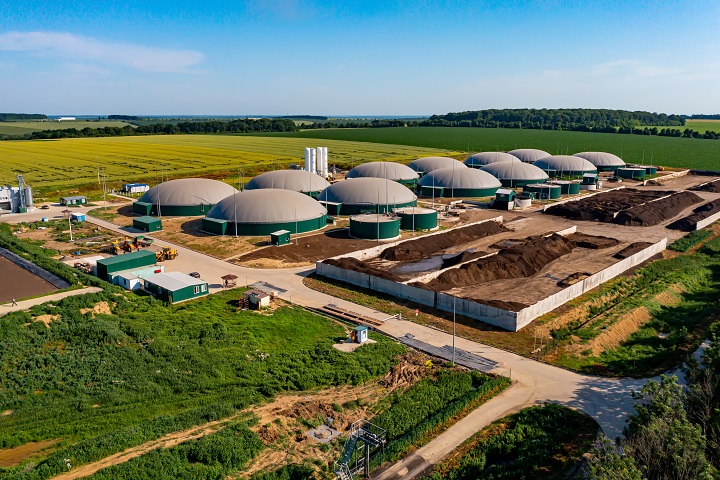
Understanding changing sludge analysis requirements for AD plants
Are you in the water, sewerage, or renewable energy sectors? Learn how changes to sludge analysis requirements will affect you.Author:
Sultan Khan
NRM
25 November 2024
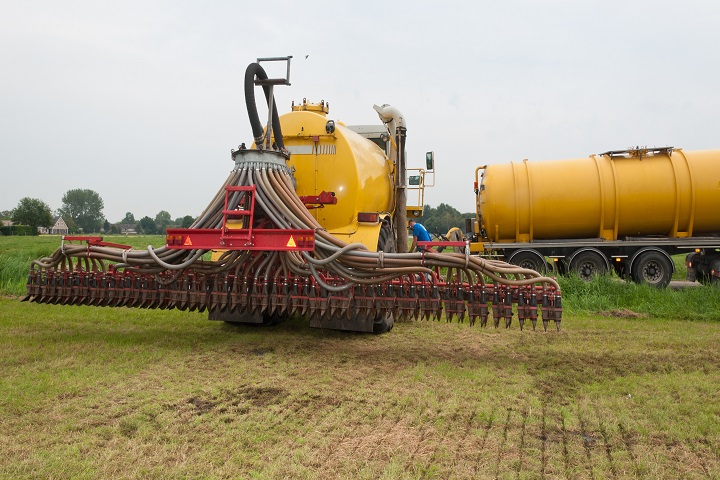
How to make the most of livestock manures
Making the most out of livestock manures requires careful planning and efficient management. Analysis is the key to maximising their value.Author:
Alli Grundy
NRM
12 November 2024
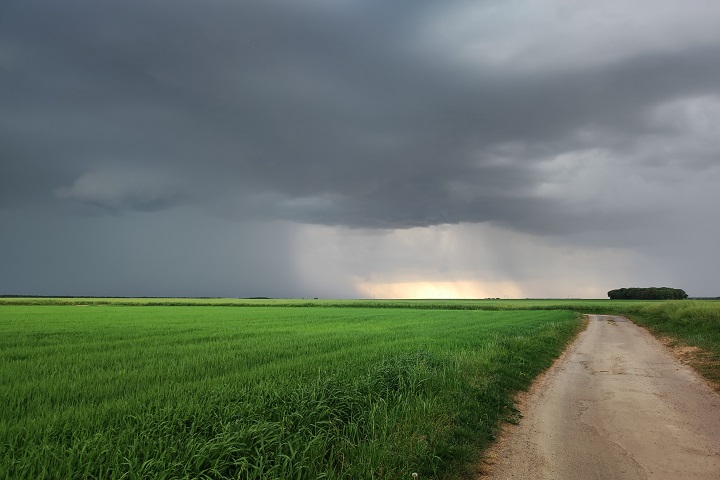
The end of “averages”? How growers can weather unpredictable conditions with analysis
It's important to take weather conditions into consideration when developing and refining management plans. Here's how.Author:
Sajjad Awan
NRM
29 October 2024

Understanding the ACRES scheme: what you need to know
If you're a farmer in Ireland, find out more about what the ACRES scheme is, what you need to do, and how IAS can help.
Author:
Sylvia Doran
IAS
21 October 2024
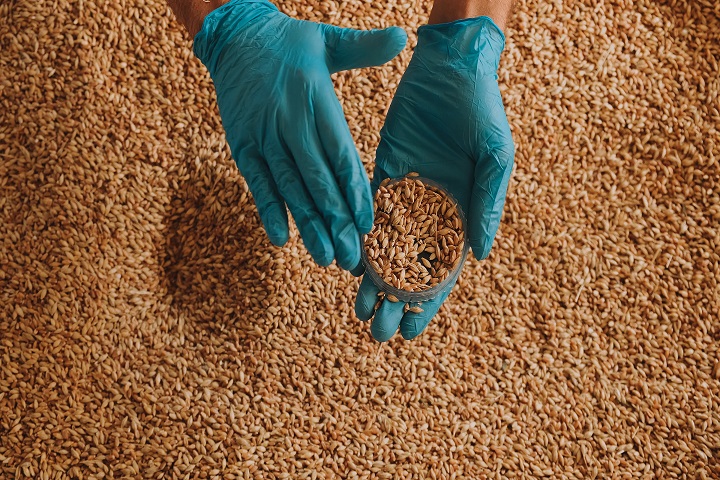
The end of “averages”? How growers can refine future management plans with grain nutrient analysis
Testing offtake values in grain post-harvest can give you a vital indication of fertiliser needs for the following season.Author:
Sajjad Awan
NRM
26 September 2024
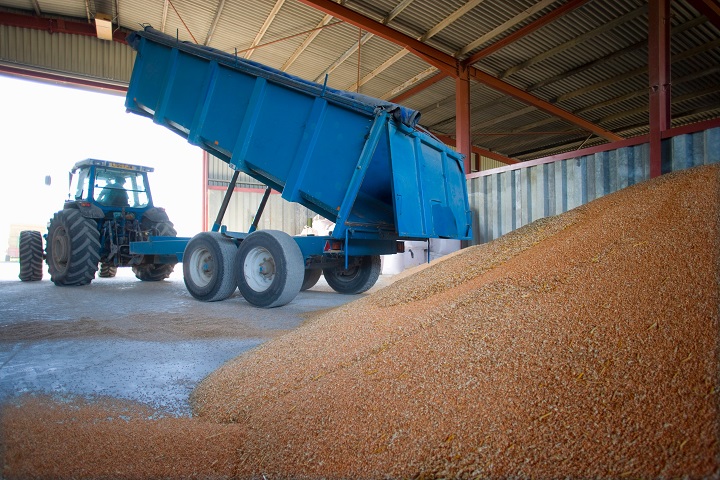
Grain trading and the importance of analysis
Testing to determine the nutritional and market value of grain is a critical step in both the grain trading and the farming process.Author:
Sophie Cath
NRM
2 September 2024
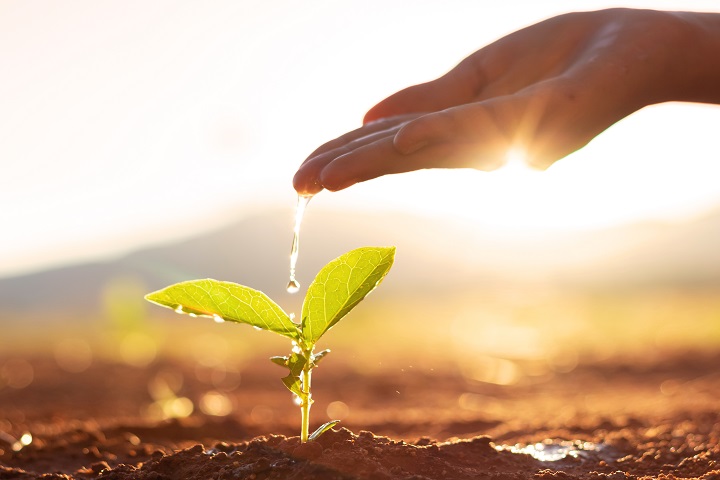
World Water Week 2024: how soil water is essential to life
For World Water Week, NRM dives into water, its essential role in soil life, and how our analysis can help improve water use efficiency.Author:
Alli Grundy
NRM
27 August 2024
Grain analysis: trace mineral data for winter wheat
NRM leads the way in determining trace mineral data concentrations of wheat grain to help growers optimise crop production.Author:
Sajjad Awan
NRM
20 August 2024
Grain data analysis: nutrient content vs critical values
Grain data analysis is vital for improving existing grain critical values and developing unknown values for improved crop productivity.Author:
Sajjad Awan
NRM
6 August 2024

How to prevent Legionella contamination: a guide for Facility Managers
Managing the risks associated with Legionella contamination with expert water analysis is crucial to protect customers and employees.Author:
Michael Hogan
IAS
29 July 2024
How grain testing can help build sustainable productivity and protect our soils
Managing production costs during the ever-changing seasons can be challenging. Invest in grain testing to ensure you’re productive.Author:
Alli Grundy
NRM
23 July 2024
The end of “averages”? How growers can make significant gains with soil carbon analysis
Benchmarking and raising soil carbon levels can help growers make significant gains. Find out how our CarbonCheck service will help you optimise crop production.Author:
Sajjad Awan
NRM
10 July 2024
SOM #4: Soil Organic Matter and its influence on biological processes
How does Soil Organic Matter (SOM) influence biological processes? A deep dive into how SOM affects texture and soil types,Author:
Alli Grundy
NRM
19 June 2024
SOM #3: managing carbon – a case study
A deep dive into NRM’s soil organic carbon data from the last few years and a case study on how Grosvenor Estate Farm utilised their carbon analysis results to target their management practices.Author:
Alli Grundy
NRM
12 June 2024

Sustainable Farming Incentive (SFI) update: new actions for 2024
A controlled rollout of the new Sustainable Farming Incentive (SFI) offer for 2024 was announced by Defra at the end of May. What does this mean for you?Author:
Alli Grundy
NRM
5 June 2024
SOM #2: managing soil organic matter and carbon – an analysis of data
The links between soil organic matter (SOM) levels and soil texture are crucial to understanding effective farm management.Author:
Alli Grundy
NRM
28 May 2024

Dependable forage analysis, whatever the weather: navigating challenges to make informed decisions
As weather patterns continue to fluctuate as a result of climate change, farmers are facing unprecedented challenges in crop production.
Author:
David Elliot
Sciantec
20 May 2024
SOM #1: managing soil organic matter and carbon for optimal productivity and to support sustainable farming
As an industry we must plan how we better manage soil and organic matter now and into the future, implementing strategies that are sustainable and adaptable over the longer term.Author:
Alli Grundy
NRM
15 May 2024
Navigating unfavourable conditions for a successful breeding season
As heavy rainfall persists across Ireland this year, how can dairy farmers ensure a successful breeding season?Author:
Mick Hogan
IAS
9 May 2024

CropCheck: insights from 3 years of tissue sample analysis on key crop nutrients in the UK
Crop nutrient requirements for wheat vary through the foundation, construction, and production growth phases. The nutrients needed during each phase are influenced by soil nutrient supply, weather patterns, soil conditions, and the farming system. Tissue analysis helps to assess crop nutrient availability and uptake at each of these phases. Understanding this process ensures optimal plant […]Author:
Sajjad Awan
NRM
24 April 2024

A new face at IAS Laboratories: Sylvia Doran
Meet Sylvia Doran, recent graduate and new Business Development Assistant at IAS Laboratories.Author:
Lauren Skinner
IAS
10 April 2024

The end of “averages”? An introduction to 5 key areas where growers could make significant gains
Growers can make significant gains using laboratory analysis. Here are 5 key areas to focus on.Author:
Sajjad Awan
NRM
5 April 2024

Stamping down on pet food labelling: a checklist for producers
If you're a pet food producer, there are legal requirements around what to put on your labels. Read on to make sure you're compliant.Author:
Sophie Prentice
Sciantec
21 March 2024

Key findings from our 2022-2023 soil summary: arable vs grassland soils
Our national soil summary for 2022-23 has once again demonstrated deficiencies in key nutrients. Find out what this means for you and what you can do.Author:
Sajjad Awan
NRM
12 March 2024
Update: the Preparing for Sustainable Agriculture scheme in Scotland
An update to the Preparing for Sustainable Farming Scheme in Scotland.Author:
Alli Grundy
NRM
26 February 2024
Update: The Sustainable Farming Incentive in England and the Sustainable Farming Scheme in Wales
Learn more about recent updates to SFI scheme payment rates, new actions to be introduced, an update on the SFS in Wales, and how we can help.Author:
Alli Grundy
NRM
6 February 2024
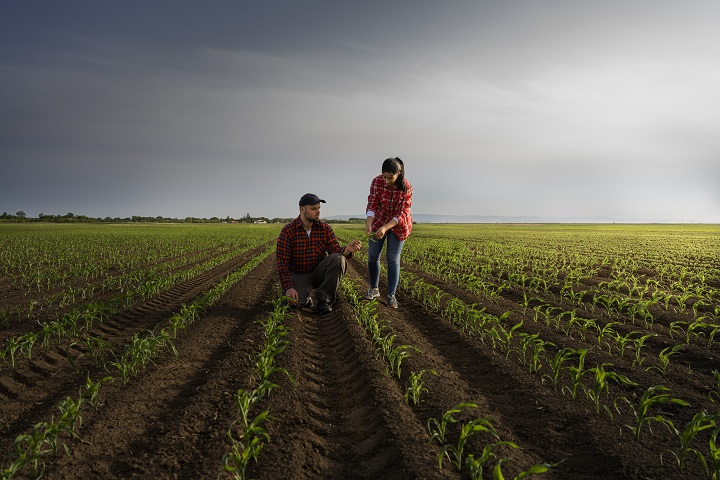
Top 10 ways we can help you improve your farming business
How can we help you improve your farming business? Here are our top 10 tips.Author:
Sajjad Awan
NRM
30 January 2024

Raw-some pet food: what analysis methods do you need for your product?
Do you prefer raw or processed food for your pets? No matter what owners give to their pets, it’s important to undertake analysis to ensure both safety and nutritional value.Author:
Rachel Rawson
Sciantec
10 January 2024

How will upcoming legislation protect aquatic ecosystems from harmful halogenated compounds?
UK legislation will soon be coming into place to help protect aquatic ecosystems from AOX. Are you set to comply?Author:
Ben Rowe
Marchwood
18 December 2023
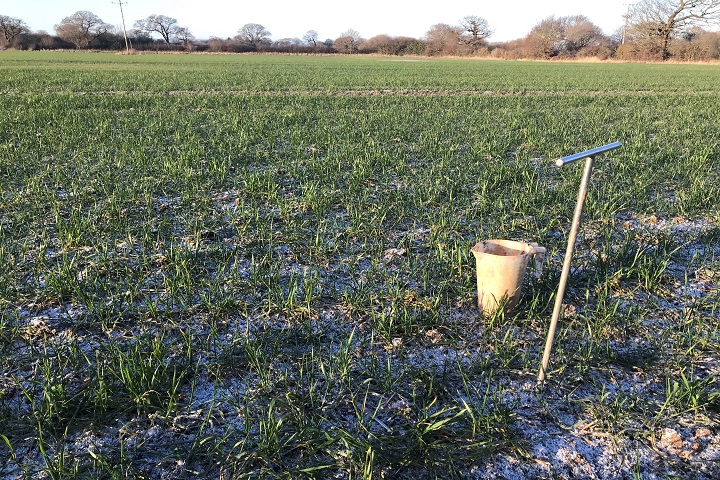
N-Check: it’s time to think about soil nitrogen
Very soon, we’ll need to start thinking about how we should manage nitrogen for the spring. Read on to learn more about what affects soil nitrogen supply and how NRM can help.Author:
Alli Grundy
NRM
13 December 2023
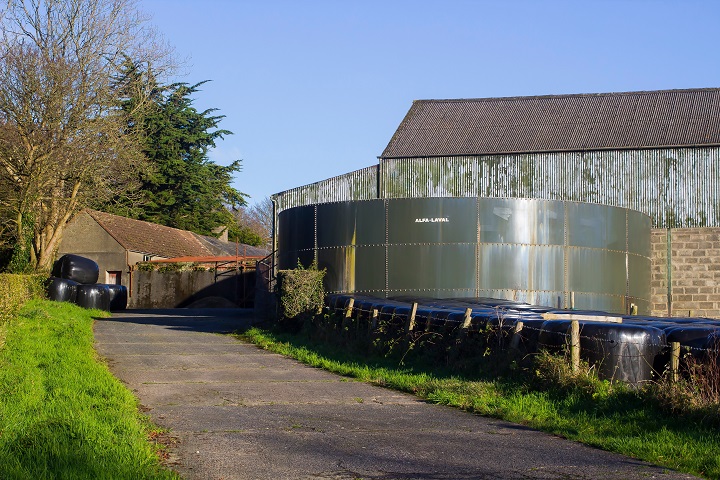
How to make the best use of manures this season #3: using slurry additives
Learn more about slurry acidification, other biological amendments, and how NRM can help.Author:
Alli Grundy
NRM
27 November 2023
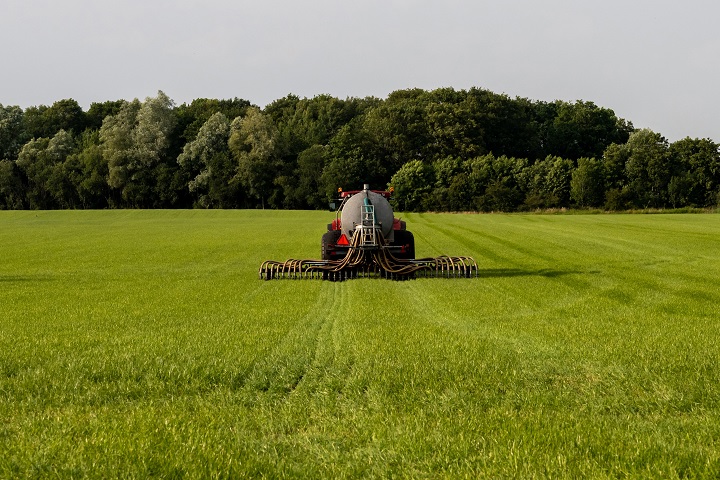
How to make the best use of manures this season #2
Always relying on the standard values of nutrients in manures and slurries could be a mistake. The only way to be sure about the quality of your organic materials is through analysis.Author:
Alli Grundy
NRM
7 November 2023

How to make the best use of manures this season #1
Do you know the best way to make use of manures and slurries? Read on to learn how to manage them effectively within a sustainable system.Author:
Alli Grundy
NRM
1 November 2023
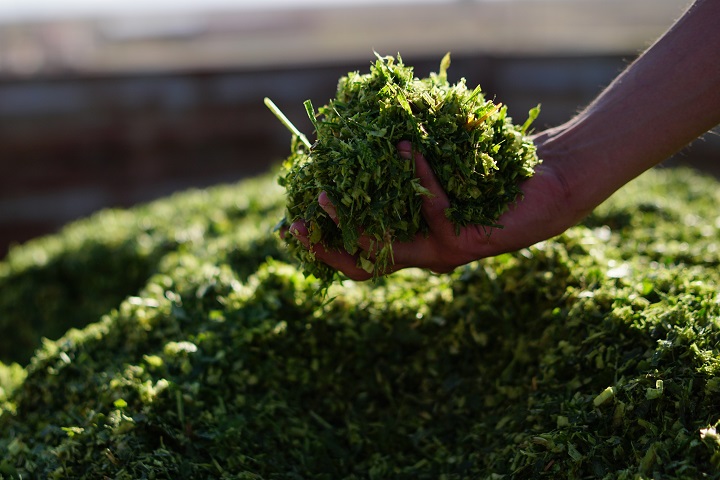
Why should you analyse silage before winter? #2
Do you know what your silage results mean? Read on to find out more and why analysing silage is so important.
Author:
Eoin O'Brien
IAS
25 October 2023
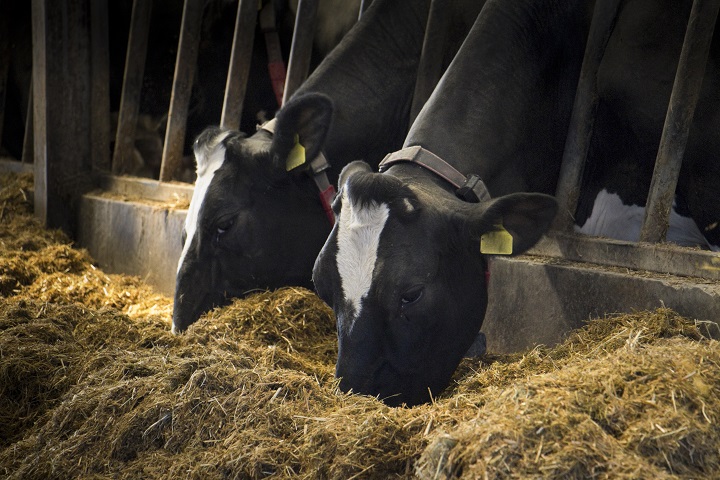
Why should you analyse silage before winter? #1
Grass silage is the most used source of feed for livestock farmers during the winter months. To get the most out of your silage, you need to analyse it before winter.Author:
Eoin O'Brien
IAS
17 October 2023
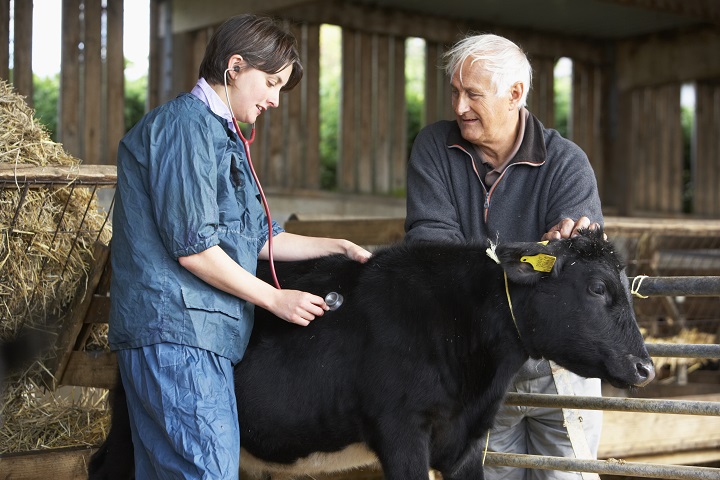
The latest in porcine veterinary diagnostics analysis #2
If you’re a livestock farmer or vet, you know there are several tests (like PCR) that are available to help you monitor and prevent diseases spreading through the herd or flock.
Author:
David Petrie-Dolphin
Sci-Tech
10 October 2023

How can we improve Irish waters?
Our surface waters and groundwaters worldwide are continuously under pressure from human activities. Wastewater analysis helps treatment plants maintain compliance and safeguard Irish waters and the environment.Author:
Eoin O'Brien
IAS
2 October 2023

What does the removal of RPS 250 mean for the C&D waste wood industry?
On 1st September 2023, RPS 250 was removed, leading to changes in waste wood handling regulations. What does this mean for waste wood operators?Author:
Ben Rowe
Marchwood
21 September 2023
ROI agricultural policy update: how IAS is helping farmers meet their obligations
If you're an Irish farmer taking part in DAFM's Eco-Scheme, read more for a reminder of the scheme and how to claim payments.Author:
Alli Grundy
IAS
NRM
19 September 2023
Preparing for Sustainable Farming in Scotland: a reminder
The Preparing for Sustainable Farming (PSF) scheme focuses on incentives to Scottish farmers and crofters.Author:
Alli Grundy
NRM
12 September 2023
The latest in porcine veterinary diagnostics analysis #1
Diagnostics are a vital tool in the livestock veterinarian’s arsenal. In this blog we talk about veterinary diagnostics, how it benefits vets and livestock farmers, and serology screening.Author:
David Petrie-Dolphin
Sci-Tech
5 September 2023

The Soil Nutrient Health Scheme in Northern Ireland: what’s changed?
DAERA's Soil Nutrient Health Scheme (SNHS) in Northern Ireland: what's changed?Author:
Alli Grundy
NRM
31 August 2023

The Sustainable Farming Scheme in Wales: what’s changed?
An update on the co-design of the Sustainable Farming Scheme (SFS) in Wales was published in July 2023. What does this mean for farmers?Author:
Alli Grundy
NRM
30 August 2023
Why should growers invest in different types of analysis throughout the season?
Before you write analysis off as optional, it’s worth considering how collecting data to inform decision making could help you improve productivity, use resources more efficiently, and plan more effectively.Author:
Alli Grundy
NRM
21 August 2023

Crystalline silica: the next asbestos?
Find out more about crystalline silica, why it’s important to test crystalline silica exposure levels, a comparison of crystalline silica and asbestos, and how Marchwood can help.
Author:
Jenny Wraith
Marchwood
14 August 2023
The Sustainable Farming Incentive: what’s changed?
A summary of the details outlined in the SFI handbook, highlighting how the SFI can provide an income whilst supporting the environment and productivity in a sustainable way.Author:
Alli Grundy
NRM
7 August 2023

Measure to manage: the role of lab analysis in regenerative agriculture
Measuring and monitoring through laboratory analysis plays an important role in all farming systems. Find out more about the crucial role of analysis in regenerative farming and how to make the most of your data.Author:
Sajjad Awan
NRM
26 July 2023

The impact of climate stress on crops and what you can do about it
June 2023 was the hottest on record. This may seem a distant memory, but the sweltering effects of climate change are being felt in the UK more and more each year. How can we help our crops?Author:
Sajjad Awan
NRM
19 July 2023
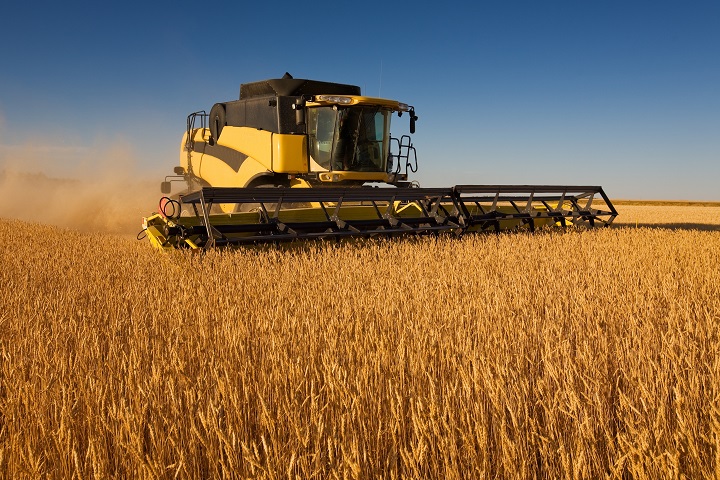
Gearing up for grain analysis: insights from previous cereal grain harvests
It’s time for farmers to rev up their combine harvesters and reap the rewards of their hard work over the last year. If that’s you, you should also be thinking about getting your grain samples ready to send to the lab..Author:
Sajjad Awan
NRM
17 July 2023

Are you up to date with the new EU Drinking Water Regulations?
In March 2023, the new EU Drinking Water Regulations were signed into Irish law. Are you up to date?Author:
Eoin O'Brien
IAS
20 June 2023

Marvellous mineral management: the benefits of mineral analysis for breeding season
If you’re feeding your cows on grass this breeding season, you need to do a mineral test before any issues impact animal health and productivity.Author:
Eoin O'Brien
IAS
5 June 2023

CropCheck 2023: where did we end up?
Seasonal and weather conditions define the rate of crop nutrient recovery. That’s where our innovative plant tissue service, CropCheck, comes in.Author:
Alli Grundy
NRM
25 May 2023

What does the upcoming carbon tax mean for the Energy from Waste sector?
Have you heard of carbon-14 testing? It’s the most accurate way of measuring biogenic carbon—which Energy from Waste plants will soon be taxed on.Author:
Ben Rowe
Marchwood
17 May 2023
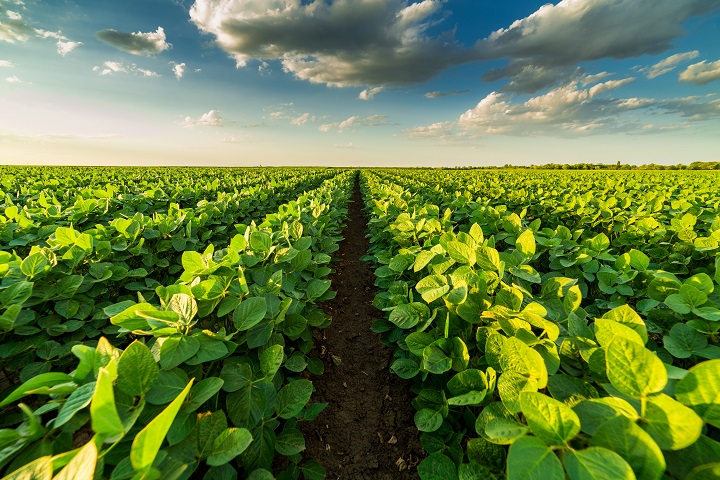
The status of arable soil pH: insights from one of the largest datasets in the UK
As the single most informative measurement made to determine soil characteristics, it’s no wonder soil pH is called the “master soil variable”.Author:
Sajjad Awan
NRM
12 May 2023

Why are brominated dioxins of public interest in 2023?
It is now a requirement that companies wishing to obtain permits for commercial incineration test their stack emissions for brominated dioxins at a regular frequency, safeguard public health, and protect the environment. But how did we get to this point?Author:
David Elo
Marchwood
3 May 2023
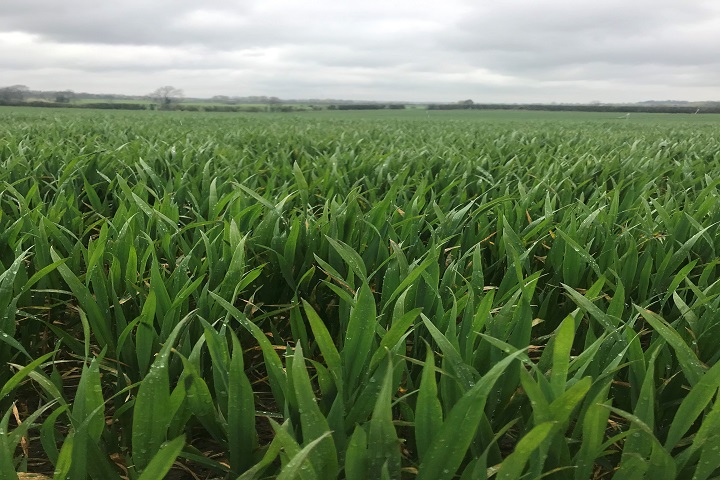
CropCheck data: a deeper dive part 2
There is more than enough time to diagnose and correct any plant issues observed, keeping crops on track to reach their optimal yield and meet quality targets. This blog reviews and compares CropCheck data across and between the years 2021 and 2022.Author:
Alli Grundy
NRM
17 April 2023

Keeping maternity wards safe with specialist occupational hygiene analysis
The UK government is cracking down on the recreational use of laughing gas. Read on to learn more about what Entonox is, why it's important to monitor exposure levels, and how Marchwood can help.Author:
Jenny Wraith
Marchwood
12 April 2023
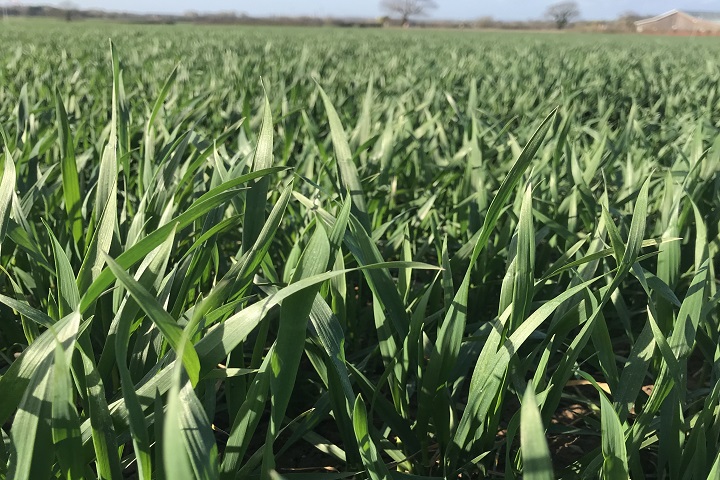
CropCheck data: a deeper dive
Crops across the country are approaching or are already at GS30-31. So, it’s time to get sampling to see if your crops are on track and recovering the nutrients they need for this stage in their growth.Author:
Alli Grundy
NRM
5 April 2023
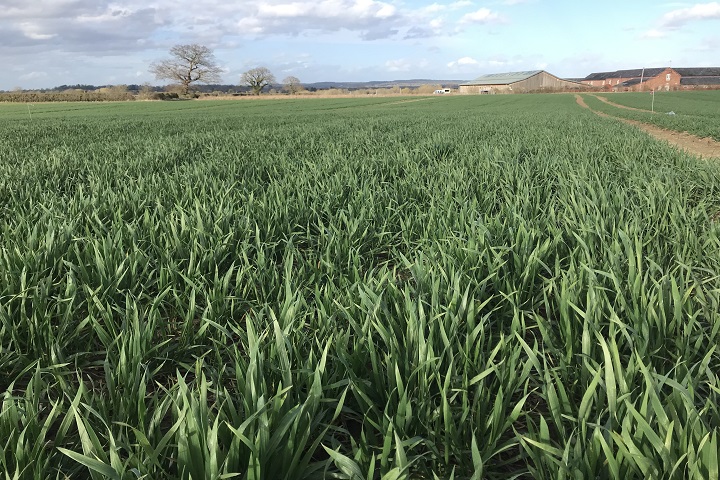
CropCheck: what have we learnt so far?
Over the last week or so NRM has been looking into CropCheck (plant tissue) analysis data to review the concentration of nutrients appearing in crops at key growth stages and between seasons.Author:
Alli Grundy
NRM
3 April 2023

Legen-dairy analysis: the importance of water quality analysis in milking parlours
Not only is a supply of clean, potable water necessary to keep livestock healthy for optimal performance, but dairy farmers must also ensure high quality water is used to wash and preserve the equipment used in production.Author:
Eoin O'Brien
IAS
27 March 2023
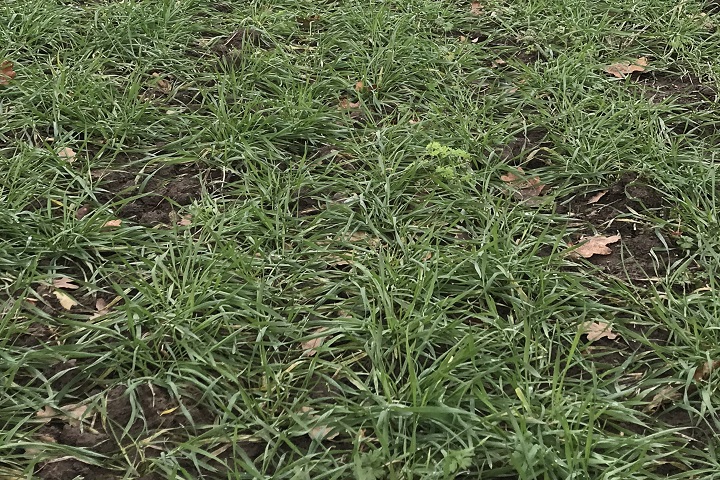
Are your crops capturing the nutrients they need?
CropCheck is the next innovative step in plant tissue analysis, which tells you not only what is in the crop, but how that compares to what you should expect at a particular growth stage.Author:
Alli Grundy
NRM
16 March 2023

The power of zoo poo: testing waste for biomass from Marwell Zoo
Biomass is a renewable, low carbon fuel that brings a variety of environmental and social benefits. When compared with fossil fuels, it can deliver a significant reduction in net carbon emissions—and the best news is, it’s widely available.Author:
Ben Rowe
Marchwood
28 February 2023

Soil mineral nitrogen levels and their contribution to soil nitrogen supply
This season we’ve seen an increase in the number of soil mineral nitrogen samples arriving at NRM. But it’s important to remember that what you measure in the soil is only part of the story. Accounting for the nitrogen captured by the crop over the winter is critical in determining crop nitrogen requirement.Author:
Alli Grundy
NRM
22 February 2023

Soil sampling in Ireland: more important now than ever before?
The importance of soil sampling is not a new concept. Analysis, undertaken by an INAB accredited laboratory, can provide useful information about the chemical, biological, and physical conditions of your soil.Author:
Michael Hogan
IAS
6 February 2023

The importance of quality sampling for soil mineral nitrogen analysis
Investing time, money, and effort in taking samples for analysis, of any sort, is one of the first steps towards farming more sustainably. Sustainable production starts with knowing what you have and how to utilise resources without draining what nature provides.Author:
Alli Grundy
NRM
24 January 2023

Super slurry: how to prepare for slurry spreading season in Ireland
As we approach slurry spreading season in Ireland it is more important than ever to know the nutrient values of your slurry.Author:
Michael Hogan
IAS
11 January 2023

Soil nitrogen supply: measure to manage successfully in 2023
Understanding soil nitrogen supply (SNS) and its contribution to the overall nitrogen need of a crop is incredibly important.Author:
Alli Grundy
NRM
10 January 2023
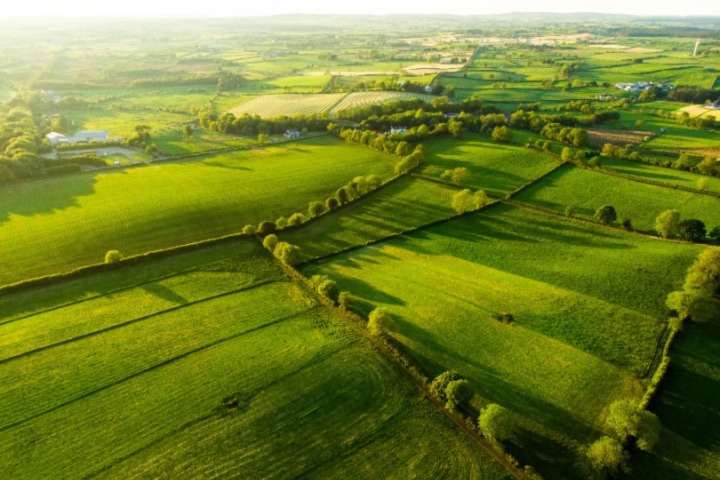
Soil Organic Matter #9: Future decisions for agricultural policy in the Republic of Ireland
The Republic of Ireland (ROI) remains part of the European Union (EU). It is therefore duty bound to adopt the programme of rules associated with agricultural policy in order to keep receiving basic payment support. In the past, the Basic Payment Scheme (BPS) was an income support scheme paid to farmers per hectare of eligible […]Author:
Alli Grundy
NRM
7 December 2022

5 key measurements for optimal soil management
Why is soil management so important? Farmers across the UK have faced considerable challenges over the last year.
Author:
Rory Geldard
NRM
5 December 2022

Wrapping up silage: udderly nutritious feed
Grass silage, made from fermented grass, is the most popular source of feed for livestock farmers during the winter months. Grasses and pasture crops, like maise or rye, are cut, fermented, compressed, and kept until they are needed to be fed to livestock. Once it is wrapped into bales or pit, it is easily stored […]Author:
Eoin O'Brien
IAS
1 December 2022
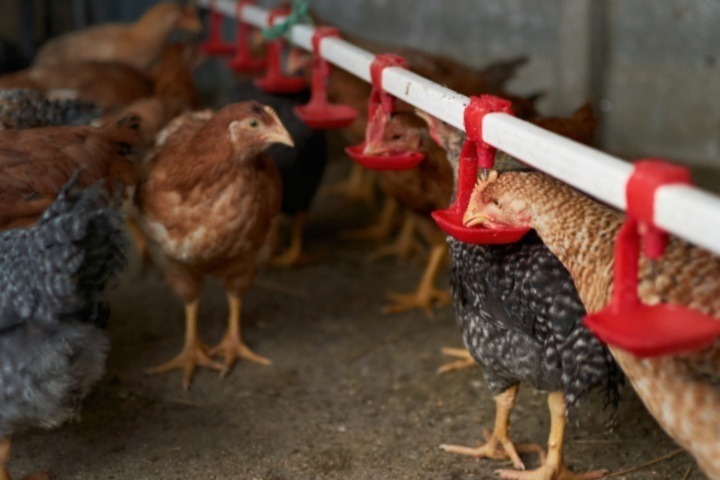
Poultry Vaccination #2: a sharp new solution
Incorporating poultry vaccination into screening and disease prevention programmes is vital in controlling contagious diseases in flocks.Author:
David Petrie-Dolphin
Sci-Tech
24 November 2022

Poultry Vaccination #1: shooting for sound strategies
Poultry vaccination is used as a prevention and control strategy to minimise the emergence of clinical disease. If vaccination is not employed, there would be no control in the population. The same principles have been used to treat all species of domestic animals as well as humans for generations. The eradication of smallpox is a […]Author:
David Petrie-Dolphin
Sci-Tech
14 November 2022
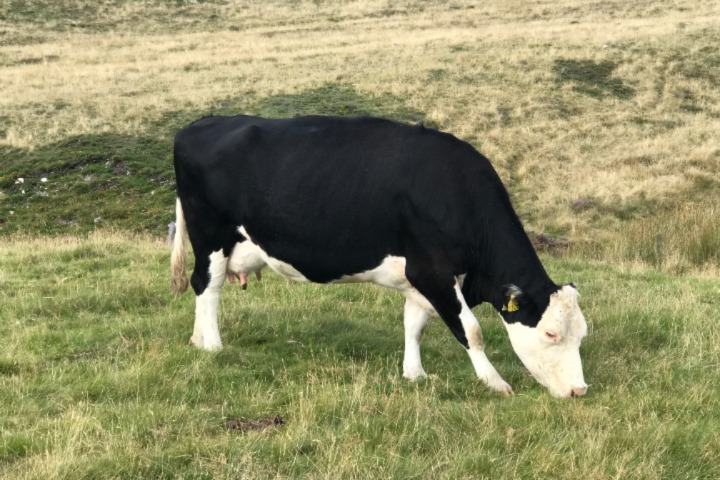
Soil Organic Matter #8: Future decisions for agricultural policy in Northern Ireland
Since leaving the EU, Northern Ireland’s Department of Agriculture, Environment and Rural Affairs, along with England and the other devolved governments, have been reconsidering agricultural policy in Northern Ireland, determining how best to support farming, food production and the protection of the environment whilst transitioning away from direct payments. Historically and generally, farm businesses across […]Author:
Alli Grundy
NRM
2 November 2022
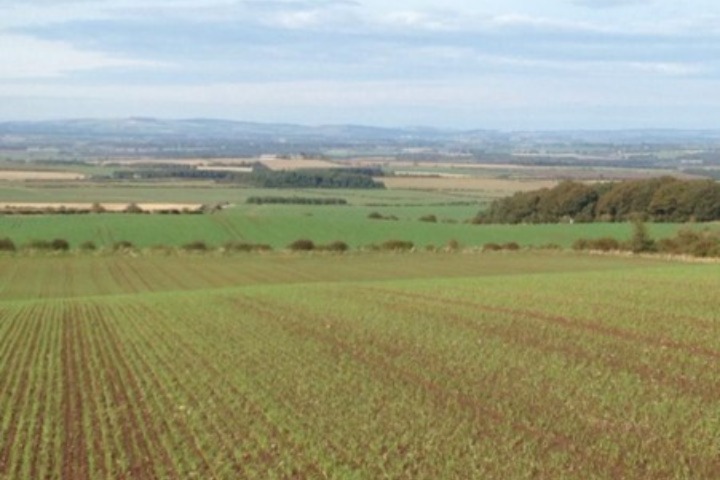
Soil Organic Matter #7: Agriculture Bill and transition in Scotland
Scotland, like England and Wales, is having to devise and consult on an Agriculture Bill to facilitate the replacement of EU direct payments.Author:
Alli Grundy
NRM
25 October 2022

Soil Organic Matter #6: new benchmarks to guide interpretation
Farmers throughout the UK are starting to measure soil organic matter (SOM) levels because of the SF scheme.Author:
Alli Grundy
NRM
20 October 2022

Soil Organic Matter #5: The Sustainable Farming Scheme in Wales
Are you a farmer with land in Wales? Then you need to know about the Sustainable Farming Scheme (SFS). The devolved Welsh Government has recently set out the proposals for the SFS in more detail. This is equivalent to the Sustainable Farming Incentive (SFI) introduced in England earlier in Summer. For more information on the […]Author:
Alli Grundy
NRM
11 October 2022

Reining in nutritional issues: selenium imbalance in horse diets
Selenium is an essential trace element for many animals. Selenium imbalance in horse diets can have worrying consequences.Author:
David O'Connell
IAS
21 September 2022

Feeding time at the zoo: nutritional analysis for wildlife
Managing conservation is a high priority for zoos and nutritional analysis for wildlife is a vital part of this process.
Author:
Rachel Rawson
Sciantec
5 September 2022
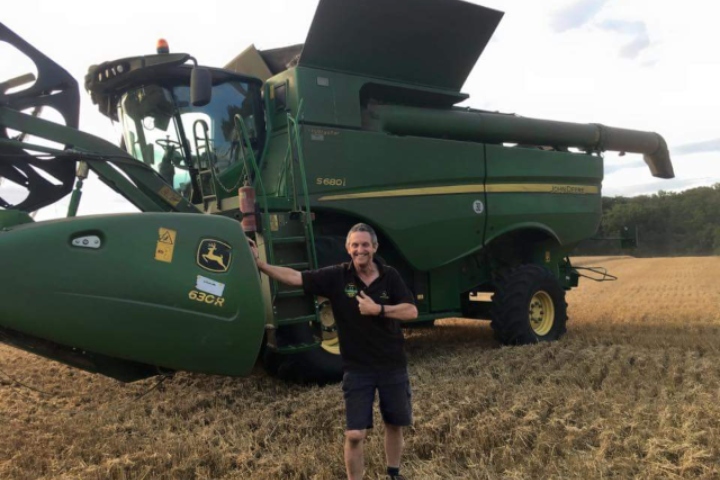
Grain Analysis #3: a productive case study
It’s a hectic time for farmers. This year’s early harvest means growers around the country are very busy, with some already near the end of harvest and others still in the thick of it. In fact, most will already be working with their agronomists and advisors on next year’s plan and what they can learn […]Author:
Alli Grundy
NRM
17 August 2022
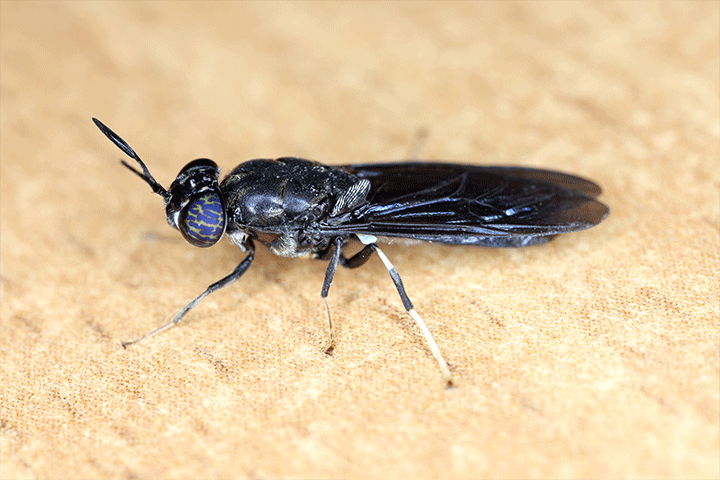
Grub’s up! Insect protein as pet food
Insect protein as pet food: how many times have you seen your pup chase a spider across the carpet and gobble it up?
Author:
Luke Stokes-Roberts
Sciantec
15 August 2022

Grain Analysis #2: Taking the best grain samples for insightful results
Grain analysis is essential for helping farmers and advisors understand the impact of the season and guide future decision making.Author:
Alli Grundy
NRM
9 August 2022

Grain Analysis #1: GrainCheck and using the data
Along with longer days and hot summer breezes comes harvest time for thousands of farmers across the UK. Whilst they will be very busy at this time of year revving up their combine harvesters, they also need to be consulting with agronomists and advisors to determine how this year’s harvested crops can help us understand the needs of their future crops.Author:
Alli Grundy
NRM
3 August 2022

5 ways to tell if your water is safe to drink
If you have a private water supply, it’s your responsibility to ensure it is safe. Here's 5 ways to tell if your water is safe to drink.Author:
Eoin O'Brien
IAS
1 August 2022
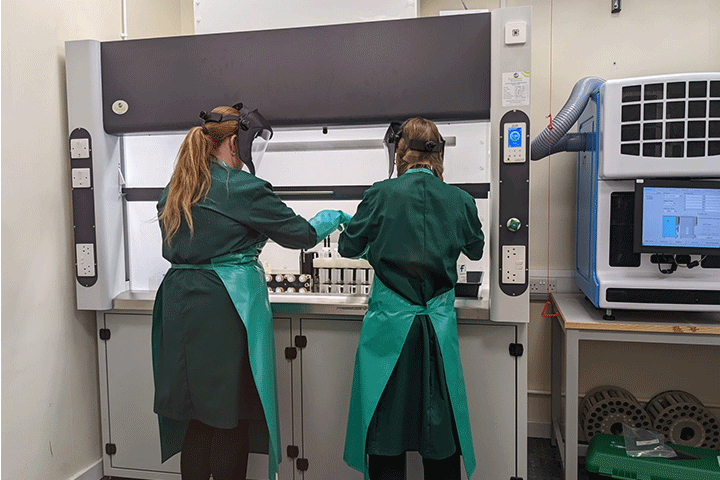
Safety first: working with hydrofluoric acid in stacks analysis
Although hydrofluoric acid (HF) is classified as a relatively weak acid, it is the most dangerous chemical you will find in stacks.Author:
Jenny Wraith
Marchwood
27 July 2022
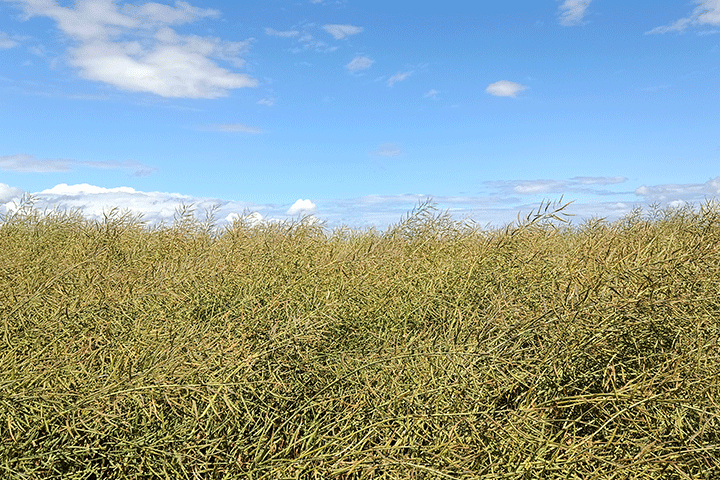
Harvesting the latest news on oilseed rape
Break crops prevent weed and pest build-up, taking the pressure off future cereal crop management and enabling yields and profits to be increased.Author:
Paul Allison
Sciantec
12 July 2022

Measuring the impact of farming activities for a more sustainable future: an NRM solution
UK farmers are under increasing pressure to meet the government’s pledge for net zero greenhouse gas emissions by 2050. What can farmers do to meet obligations whilst remaining productive?Author:
Rory Geldard
NRM
4 July 2022
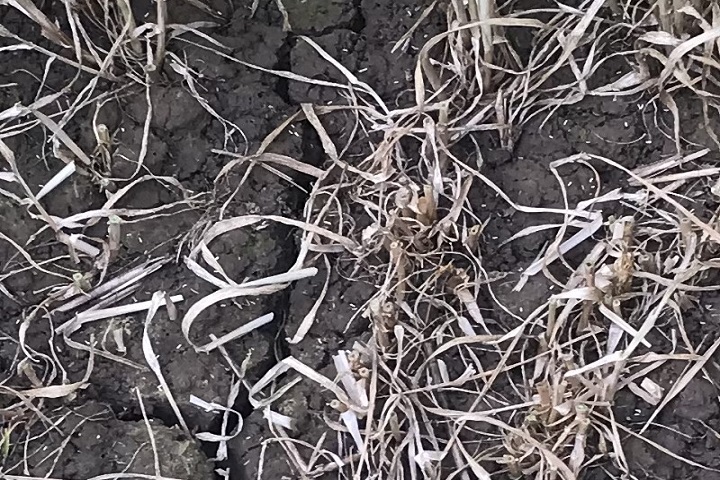
Soil Organic Matter #4: beyond the Sustainable Farming Incentive
Valuing the quality of the soil we farm through measurement and benchmarking goes a lot further than the Sustainable Farming Incentive (SFI) and the financial rewards of the scheme. It’s all about mindset and the willingness to change our behaviour in terms of the advice we receive and the actions we take.Author:
Alli Grundy
NRM
20 June 2022

Soil Organic Matter #3: analysis options
Simple measures of organic matter analysis are needed for soil evaluation, management, and monitoring. There are a few analytical options that all arrive at a soil organic matter (SOM) result.Author:
Alli Grundy
NRM
14 June 2022
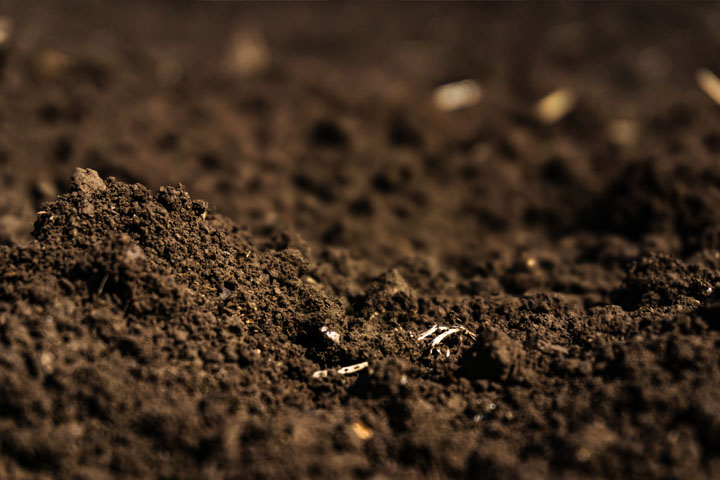
Soil Organic Matter #2: How to take the perfect soil sample for organic matter analysis
The results of any soil analysis are only as good as the sample provided. So, any sample must be representative of the field or area under question. Measuring soil organic matter (SOM) is the starting point to better soil management. Understanding how it behaves in the soil and its influences on soil processes can guide […]Author:
Alli Grundy
NRM
8 June 2022
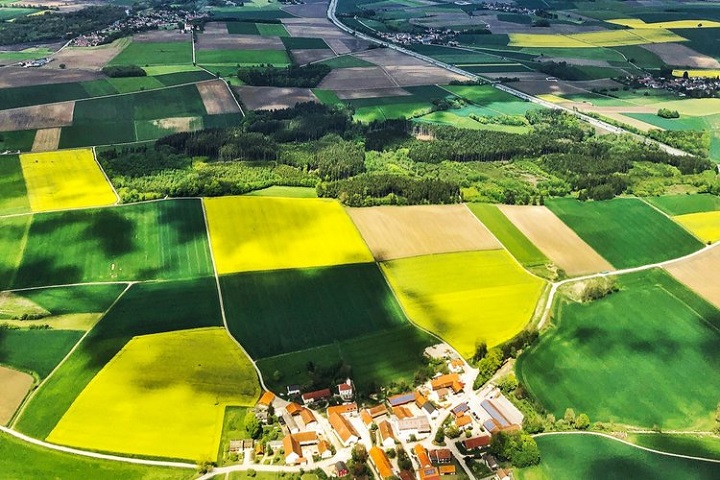
Soil Organic Matter #1: an expert’s guide to the Sustainable Farming Incentive rules for soil organic matter analysis
Have you undertaken soil analysis in the last 5 years? Did your tests include soil organic matter (SOM) analysis? If not, then you need to be doing it now.Author:
Alli Grundy
NRM
1 June 2022

Journey of a pet food sample: first steps
Have you ever wondered what happens to your sample after you’ve sent it off for testing? Read on to find out about the ideal sampling process, what happens when the sample arrives at the laboratory, and how to get the most out of your analysis.Author:
Rachel Rawson
Sciantec
30 May 2022
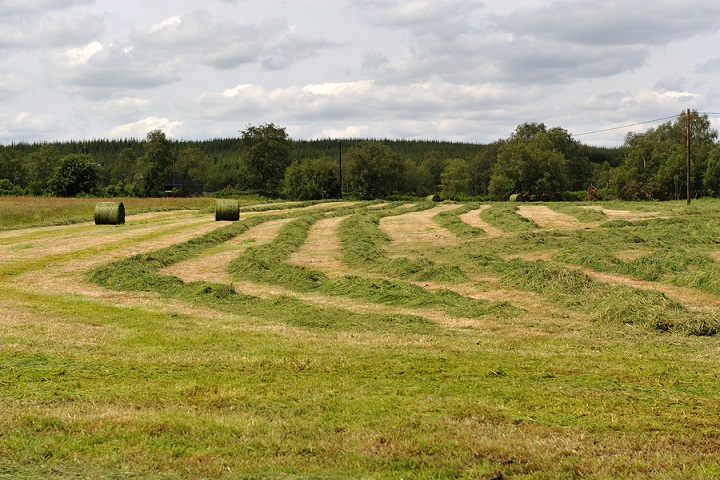
5 tips for growing good quality silage: silage season done right
One of the most expensive days in the Irish farming calendar is when the silage contractor rolls into the yard. Rising costs mean that this very important day is now more significant than ever. Farmers must ensure that the highest quality silage is made for the winter months ahead, especially as purchased feed prices continue to soar.Author:
Eoin O'Brien
IAS
17 May 2022
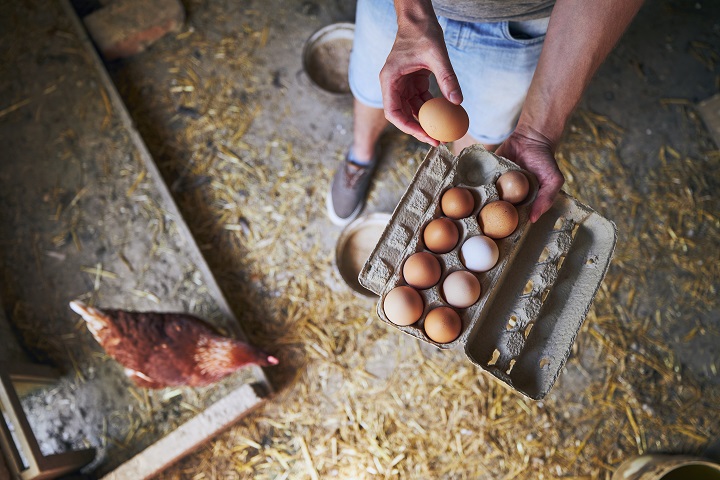
Salmonella: a nightmare for pig and poultry professionals
Salmonella is one of the main causes of food poisoning in the UK. In 2019, it was responsible for 8398 confirmed cases, although it is assumed that this number is actually significantly higher (Salmonella Annual Report, 2021).Author:
David Petrie-Dolphin
Sci-Tech
9 May 2022

Urine luck: an expert’s guide to biological monitoring
A biological sample measures the total uptake of a chemical by an individual through inhalation, ingestion, or dermally—or a combination of all three. Biological monitoring is especially useful in workplace environments where chemicals can be absorbed through the skin, and where the main control measures are PPE such as gloves and masks. Analysis of urine samples in this way helps businesses check exposure levels in their workplace to assess its overall safety, check that control measures are working, and that work practices are protective.
Author:
Jenny Wraith
Marchwood
4 May 2022

Turning the tide on drinking water quality analysis
All life on Earth depends on water. Whether it’s used for drinking, domestic use, food production, or recreational purposes, safe and readily available water is essential for public health. However, not everyone has access to clean water, and while it may not smell, taste, or look different, it may still pose a health risk.Author:
Michael Hogan
IAS
21 April 2022

The value of cattle slurry and manures
Never has NRM received as many slurry and manure samples for analysis. The increase in sample number must be due to the enormous pressure on input prices and a renewed recognition of the value of these important resources. In this blog, we focus on cattle slurries and farmyard manures, and discuss the fertiliser replacement values these organic materials deliver when applied at the correct rates and times.Author:
Alli Grundy
NRM
7 April 2022
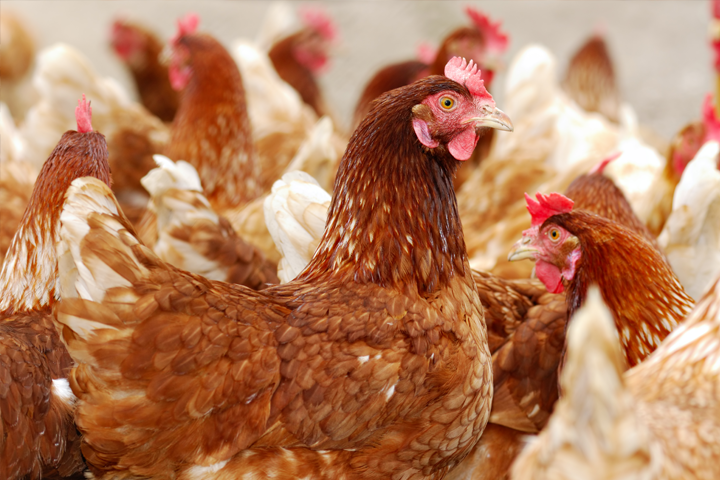
The costly consequences of coccidiosis in poultry
The first attempt at treatment in poultry was around 60 years ago, and over the years various antibiotics have been discovered to treat coccidiosis effectively. However, soon enough, most species of the disease developed resistance to these medicines, and it remains a problem today.Author:
David Petrie-Dolphin
Sci-Tech
15 March 2022

How to generate energy from raw material
Europe is aiming to become the first climate-neutral continent by 2050. To do this, ambitious measures are being taken to help businesses and people seamlessly transition to sustainable practices. These include the generation and use of renewable energy. Renewable energy represented nearly 20% of energy consumed in 2019 in Europe, helping to reduce carbon emissions and dependency on fossil fuels.
Author:
Simon Rudd
NRM
22 February 2022
Measure to manage nitrogen inputs successfully in 2022
Autumn and winter rainfall has a seasonal impact on the amount of available soil nitrogen in early spring. However, it is risky to assume that supplies are always high or low because the preceding months have been drier or wetter than average.Author:
Alli Grundy
NRM
17 February 2022

Water quality and its effect on livestock: pigs and cattle
As we discussed before, the quality and supply of water to livestock is of primary importance as it has a substantial effect on the health and performance of the animal. However, there seems to be a significant difference between the management of water quality by poultry and pig or cattle farmers in the field, even though clean drinking water is essential for all three species.Author:
David Petrie-Dolphin
Sci-Tech
14 February 2022

Water quality and its effect on livestock: birds
The quality and supply of water to livestock is of primary importance to both the farmer and the animals themselves. It can have a significant effect on the health and performance of the animal, and so directly affects yield, productivity, and profitability—and not to mention animal welfare. However, it’s often overlooked for its importance in animal nutrition. A supply of clean, fresh water facilitates metabolic processes, chemical reactions, temperature regulation, and waste elimination from the body.Author:
David Petrie-Dolphin
Sci-Tech
7 February 2022
Soil mineral nitrogen: what we’ve learned so far
Fertiliser prices began to soar in the autumn of 2021. As nitrogen prices reached £2/kg, the advice by ADAS was and continues to be to reduce applied nitrogen by 70kg N/ha. This is to account for the economic change to the optimal amount required by arable crops. With these high fertiliser prices continuing to affect farming businesses everywhere, growers have been turning to analysis to optimise their crop nutrition programmes. NRM’s N-Check service, launched this year, has proved invaluable in assessing the soil supply of nitrogen to check how much more needs to be applied.Author:
Alli Grundy
NRM
27 January 2022
Soil carbon: what we’ve learned so far
The Earth’s soil contains about 2,500 gigatons of carbon. The good news is that equates to more than 3 times the amount in the atmosphere, and 4 times the amount stored in living plants and animals. The bad news is that soils only remove about 25% of the planet’s carbon emissions from fossil fuels annually by sequestering it. Significant carbon loss is also happening around the world. Soils have lost 50-70% of the carbon they used to have because over half of the land that can sustain plant life has been converted to croplands, pastures, and rangelands.Author:
Rory Geldard
NRM
18 January 2022
The economic value of analysing soils
With fertiliser prices so high, it is essential to plan applications as carefully as possible. This must start with good up-to-date knowledge of the nutrient status of your fields. Standard soil analysis, which includes pH, P, K, & Mg, only costs around 60p/ha/yr/nutrient, based on a sampling area of 4ha. Broad spectrum analysis, on the other hand, costs around 75p/ha/yr/nutrient.Author:
Alli Grundy
NRM
13 December 2021

The environmental benefits of analysing soils part 2: is phosphorus a useful nitrogen replacement?
Phosphorus is an essential, irreplaceable element. It plays a key role in crop development, particularly in rooting, cell walls, energy transfer, and the production of fruiting bodies. Unfortunately, phosphorus is the main cause of the eutrophication of freshwaters, resulting in many water bodies in England failing to reach ‘good’ status. It is therefore critical to plan and accurately target phosphate applications to fields where a need has been identified.Author:
Alli Grundy
NRM
6 December 2021
The environmental benefits of analysing soils part 1: the benefits and issues of nitrogen
Two of the most important crop nutrients, nitrogen and phosphate, are known to have major environmental implications if applied in excess of crop requirement. It is valuable to assess the soil supply of nitrogen annually in spring and to monitor the phosphate status of fields through soil analysis every 3 to 5 years.Author:
Alli Grundy
NRM
1 December 2021

Turning household waste into an energy source
s unrecyclable waste always a problem, or can it be a resource? For decades, we have been encouraged to be considerate with what we are buying and throwing away. From purchasing biodegradable plant-based milk cartons to recycling plastic bottles, tubs, trays and containers, we all have a responsibility to be as green as possible, reducing the environmental impact on our communities and wildlife. But what about the waste that can’t be recycled?
Author:
Simon Rudd
Marchwood
25 November 2021
The 5 things you should ask me about at CropTec
There’s a lot going on in agriculture at the moment, with some challenging issues for farmers and their advisors to face. I’ll be at CropTec this week, in hall 1 on stand 1.109, and I’m looking forward to tackling some of these issues with both existing and new customers.Author:
Rory Geldard
NRM
22 November 2021

The agronomic benefits of analysing soils
Many of the agronomic benefits of measuring soil texture and available nutrient content are taken for granted as we have been testing soils for many years. From time to time, it is useful to reflect on the significant advantages gained for crop production. Today, the need to improve nutrient use efficiency and optimise both yield and quality is even more important, so there is no better time to reassess the benefits of soil analysis.Author:
Alli Grundy
NRM
19 November 2021
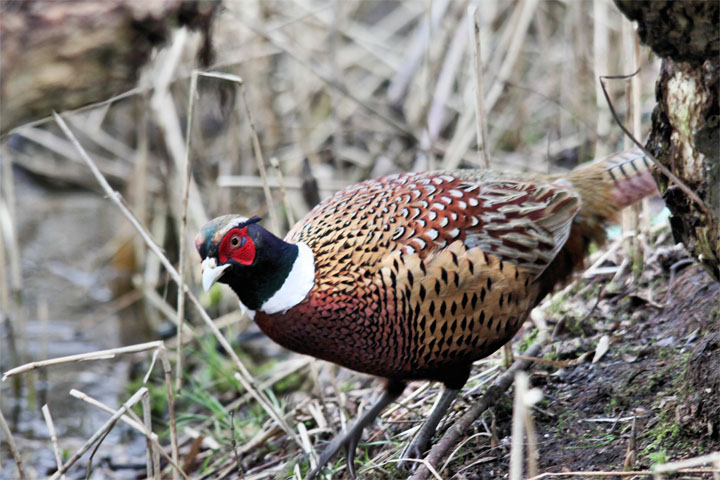
Mycoplasma Gallisepticum in Gamebirds
Over 65% of chicken flocks are considered carriers of Mycoplasma Gallisepticum (MG) around the world. However, this disease affects all kinds of poultry, from turkeys and various game birds including pheasants and partridges to diverse species of wild birds like flamingos and raptors. In the UK, MG is the most common bacteria consistently found in wild gamebirds and can severely impact the health of gamebird flocks.Author:
David Petrie-Dolphin
Sci-Tech
5 November 2021
Unsure of how to comply with the new Farming Rules for Water? Here’s what you need to know
Reducing air pollution to lower carbon emissions and combat climate change is a hot topic, but what about reducing water pollution? While we have high drinking water standards in the UK, bathing water doesn’t fare so well—86% of English rivers are not considered of ‘good ecological status’.Author:
Alli Grundy
NRM
27 October 2021

Durability and sustainability: the influence of packaging on shelf life
In a world more concerned with sustainability than ever before, pet parents and livestock farmers are taking a closer look at the environmental impact of the products they buy. This extends to how they are packaged. As any pet owner knows, this means figuring out how to recycle big bags of dry food and many individually packaged sachets of wet food.Author:
Rachel Rawson
Sciantec
19 October 2021

What is shelf life and why does it matter?
Anyone who produces feed for any kind of animal, such as horses, pets, or livestock, generally must put a shelf life date on their packaging. Shelf life is the length of time for which a feed product is suitable for animal consumption. This promise gives consumers peace of mind that the feed they are buying will not negatively affect their animals before the specified date.Author:
Rachel Rawson
Sciantec
12 October 2021

Eggs-quisite analysis: how to monitor Salmonella presence in eggs
If all the eggs we ate in the UK every year were placed in a line, they would go around the world 12 times. The total figure amounted to over 12 billion in 2020—a 25% increase in 10 years. The more eggs we eat, the more important it is that farmers keep them free of […]Author:
David Petrie-Dolphin
Sci-Tech
8 October 2021

The importance of trace element availability: part 2
While trace element content of a soil generally depends on the parent material, soils can gain trace minerals through dust deposition, water draining into soils from elsewhere, and pollution from human activity.Author:
Alli Grundy
NRM
1 September 2021
Foolproof forage: testing fresh grass and forage for optimal livestock nutrition management
The quality of forage has a considerable impact on nutrient and dry matter consumption in livestock, which in turn improves productivity. For dairy cattle, for example, the inclusion of high quality fresh forage in the diet increases milk production.Author:
Rachel Rawson
Sciantec
26 August 2021
The importance of trace element availability: part 1
There are fourteen known elements that are essential for healthy crop growth. Divided into macro and micronutrients (or trace elements), they can have a significant impact on plant productivity and crop quality.Author:
Alli Grundy
NRM
24 August 2021
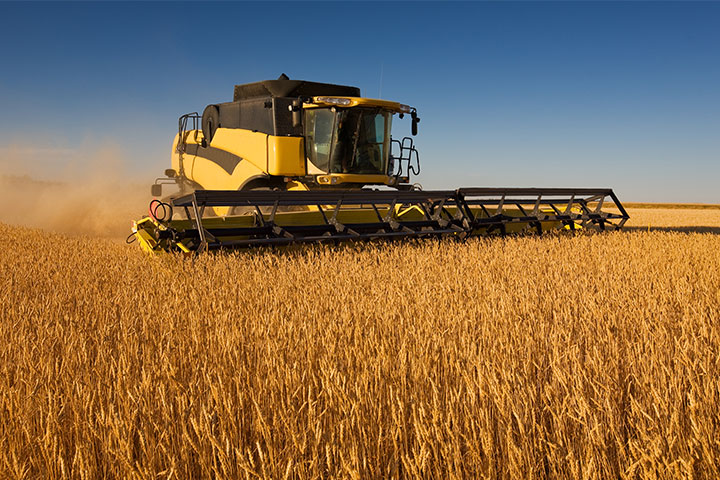
ADAS Q&A: the importance of grain analysis
With summer now in full swing, farmers and agronomists will be revving their combine harvesters ready to harvest their grains, pulses and other crops. But how can this year’s harvested crops help us understand the needs of future crops better?Author:
Rory Geldard
NRM
4 August 2021

The value of measuring the texture of your soils
Understanding the texture of our soils helps with cultivation planning as well as water and nutrient management. Even where soils have been farmed for a good number of years and the characteristics of fields are well-known, measuring their soil texture will help finetune operations.Author:
Rory Geldard
NRM
30 July 2021
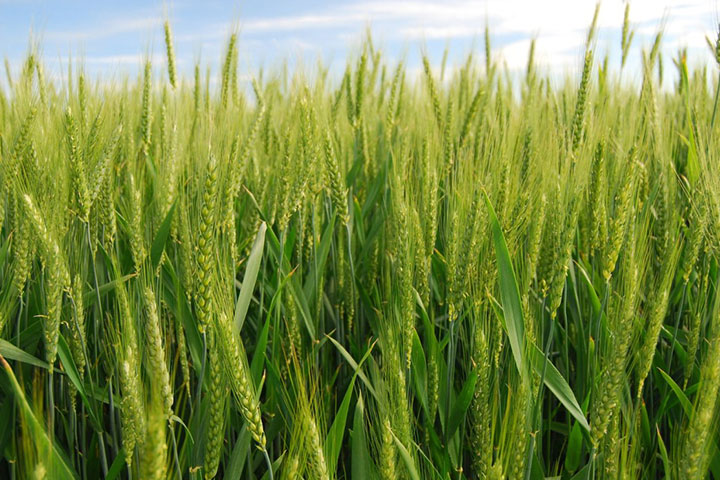
NRM GrainCheck: The value of testing grain at harvest
Farmers need a good understanding of the nutrients removed from the soil by the crop each year to determine what must be replaced. If soil nutrients are not replenished, then crop yields will deteriorate over time.Author:
Rory Geldard
NRM
28 July 2021
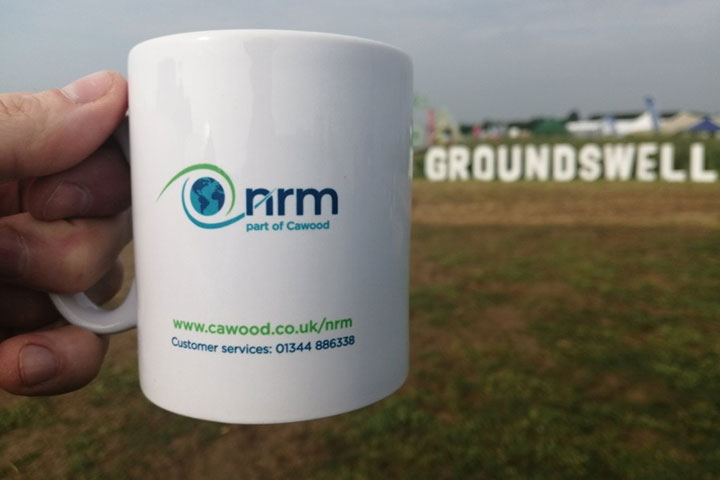
Groundswell 2021: soil carbon and the path to sustainable farming
Growers and their advisors are no strangers to these buzzwords in recent years. With the NFU’s ambitious goal of reaching net zero greenhouse gas emissions across the whole of agriculture in England and Wales by 2040—ten years earlier than the UK’s pledge for net zero—farmers are under pressure to adjust.Author:
Rory Geldard
NRM
6 July 2021
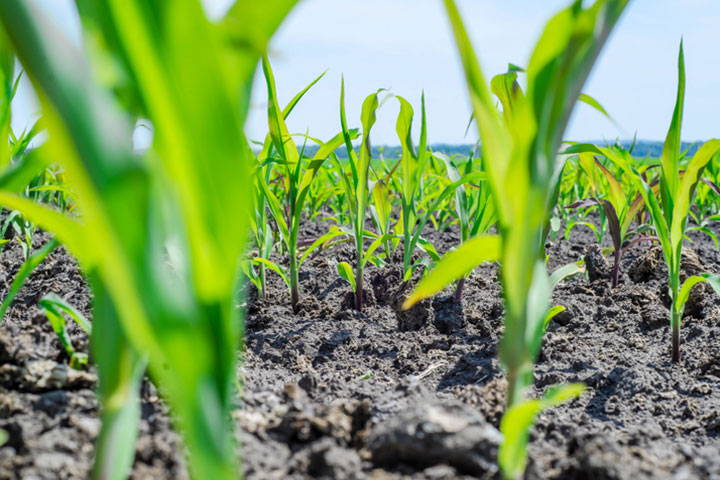
Understanding Nitrogen
Nitrogen is the key yield building nutrient for all crops, but excess levels can be detrimental to the natural environment. Understanding how nitrogen reacts in the soil and is used by crops will help farmers and growers increase profitability by using nitrogen more effectively in crop and forage production.
Author:
Rory Geldard
NRM
17 June 2021
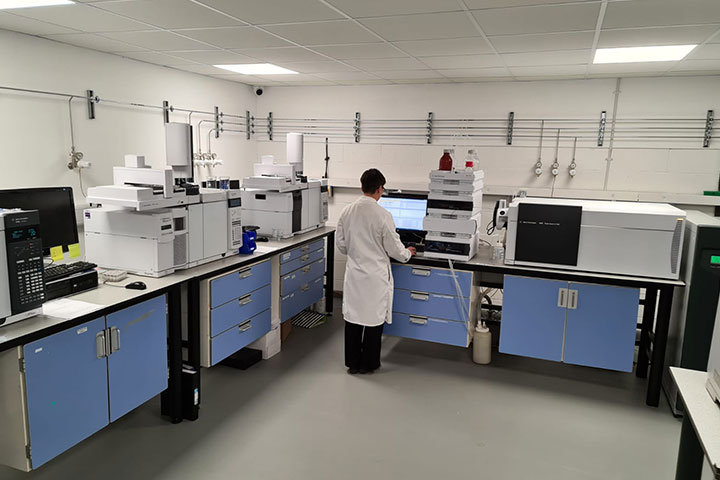
The importance of occupational hygiene in a post-Covid world
As businesses gear up for team members to return to work this summer, occupational hygiene is at the forefront of peoples’ minds, with 72% believing that clean air is more important now than ever before. COVID-19 can affect peoples’ lungs, with conditions such as asthma and COPD making sufferers more vulnerable to complications if they contract the virus.Author:
Jenny Wraith
Marchwood
25 May 2021

What you need to know before you start your own pet treat business
Lockdowns and furloughs over the last fourteen months have given many people more time to indulge in hobbies and start new business ventures. Almost a quarter of adults in the UK have welcomed a new pet into their home since the start of the pandemic, and there has been a rise in pet lovers making biscuits, cakes and other treats for their furry friends.Author:
Rachel Rawson
Sciantec
21 May 2021
The trace element you should watch for in arable crops
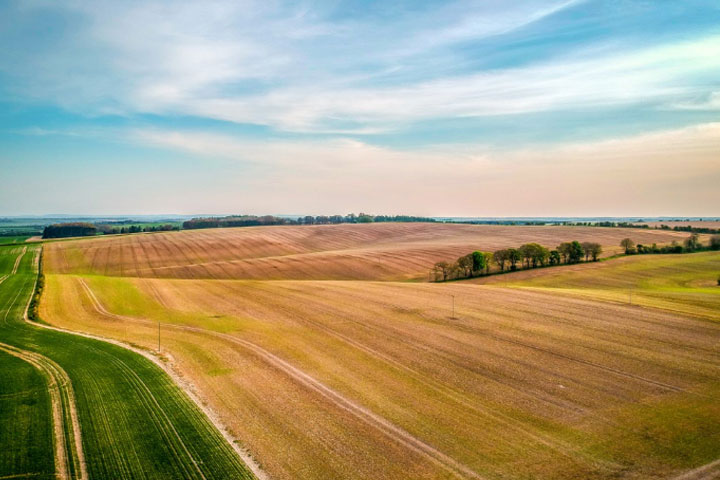
Trace elements are essential to productive and profitable crops. Issues are common, with manganese deficiency more widespread in the UK than most other nutrients. Although many growers often use foliar treatment programs to control manganese deficiencies in crops, numerous crops still suffer.Author:
Rory Geldard
NRM
17 May 2021

Understanding basic soil analysis
For many years, growers and testing facilities have been analysing samples for pH, phosphate, potash and magnesium, but the results are not always utilised fully for effective crop nutrition planning.Author:
Rory Geldard
NRM
12 May 2021
Why Measure soil carbon?
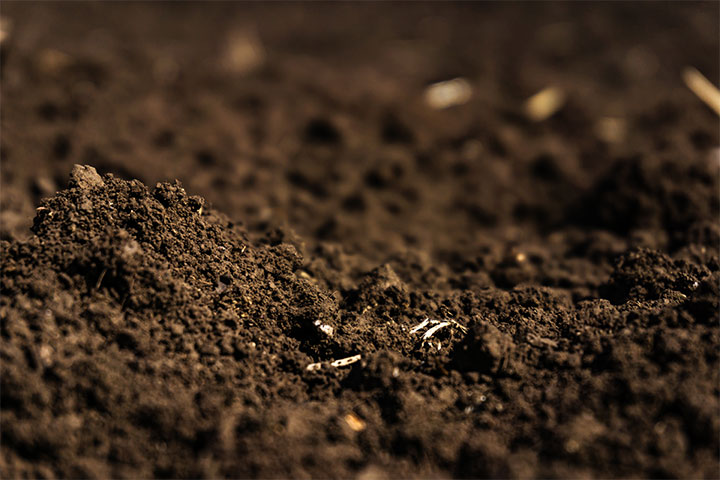
Managing carbon levels in soils has always been important for sustainable crop production. The importance of soil carbon is now being seen differently, as environmental factors become part of future agricultural policies and opportunities.Author:
Rory Geldard
NRM
4 May 2021
Keep an eye on your pH levels – soil acidity can cost yield
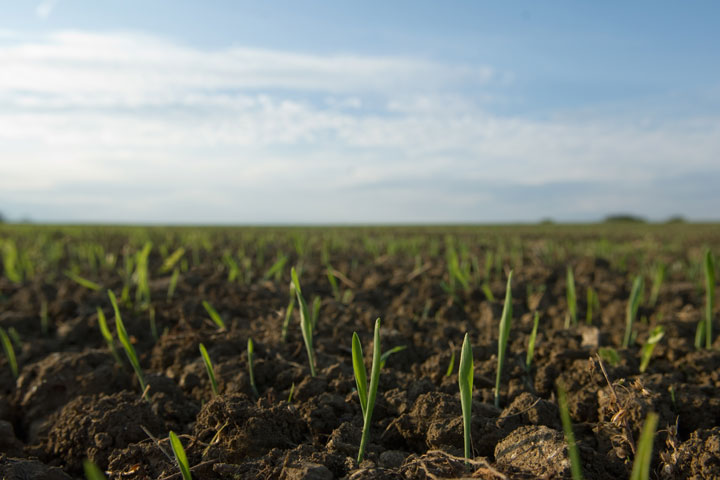
Most basic soil tests for phosphate, potash and magnesium will also give a guide to the soil’s pH status, however there is a risk of more localised acid patches in many fields. Expanding testing to each hectare or spot checking with an in-field test kit will help determine the lime requirement necessary to correct low pH levels.Author:
Rory Geldard
NRM
19 April 2021
Does your grazing pasture contain all the trace elements needed for your livestock?
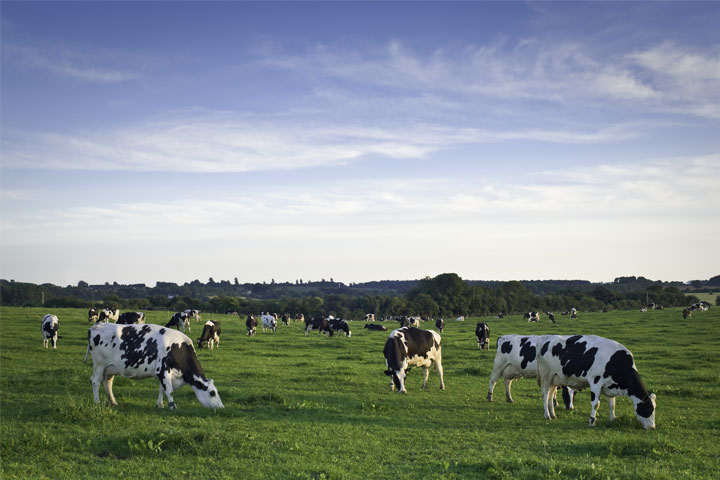
There is greater focus today on the trace elements required for crop and forage production, but the additional trace elements required for grazing livestock can be overlooked. Mineral supplements can cover a wide range of the necessary trace elements but how do we ensure the correct balance is being provided to our stock?Author:
Rory Geldard
NRM
8 April 2021
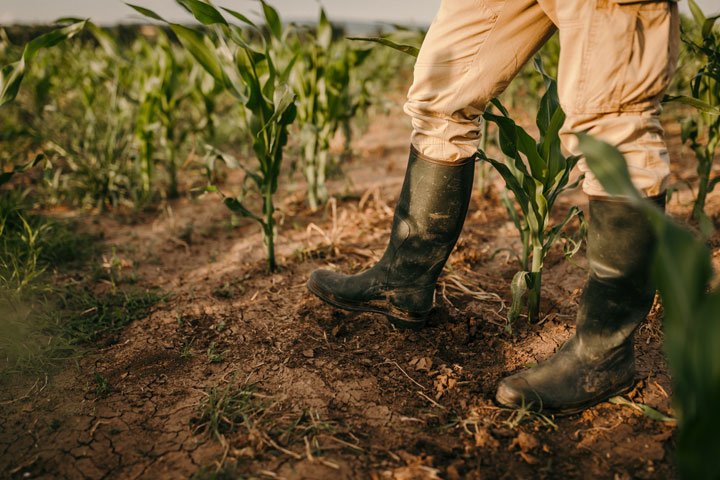
How do I soil sample one of my fields?
The value of soil analysis is well-known, and I have talked about it in recent articles. Professional sampling and mapping services, most of which use NRM’s analysis, will sample your fields at a high level of detail based on grids or zones. The results are presented as colour coded maps showing the variation in soil analysis in each part of the field and will enable you to apply inputs variably using precision techniques.Author:
Rory Geldard
NRM
1 April 2021
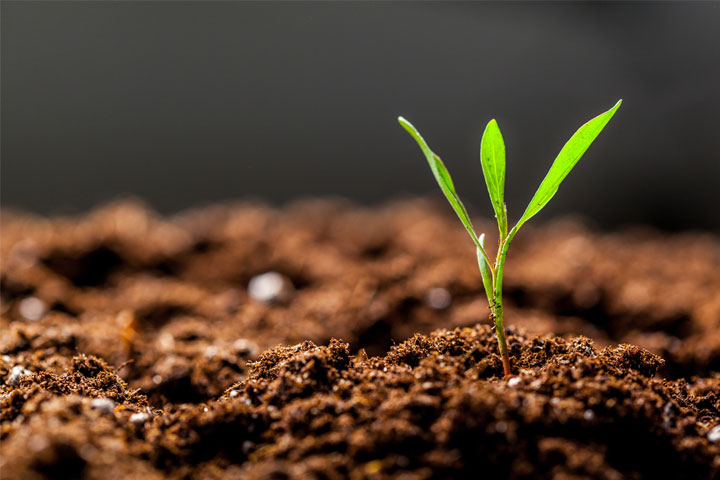
Checking the health of your soils – what to measure first
There are a wide range of parameters that can be measured to evaluate soil health, but there are some key analyses that will help check the capacity of the soil for sustainable crop production in the future. These fall into three categories: the chemical, physical and biological status of the soil. They are inter-related, and all have an impact on soil health.Author:
Rory Geldard
NRM
24 March 2021
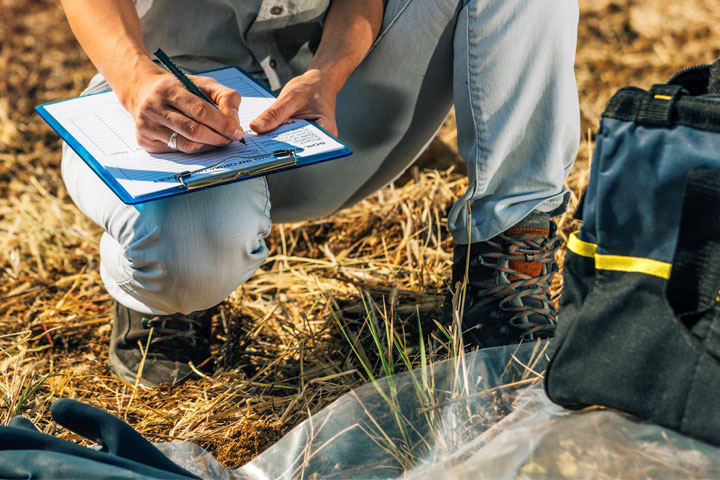
Have you analysed your soils for micronutrients?
Between one third and a half of all soil samples tested by NRM are deficient in either copper, zinc or manganese. We see this year after year in our annual soil survey and it is widespread both geographically and by soil type. Although crops only require a small amount of each micronutrient, if there is deficiency in any one of them, yield and margins can be disproportionately reduced.Author:
Rory Geldard
NRM
19 March 2021
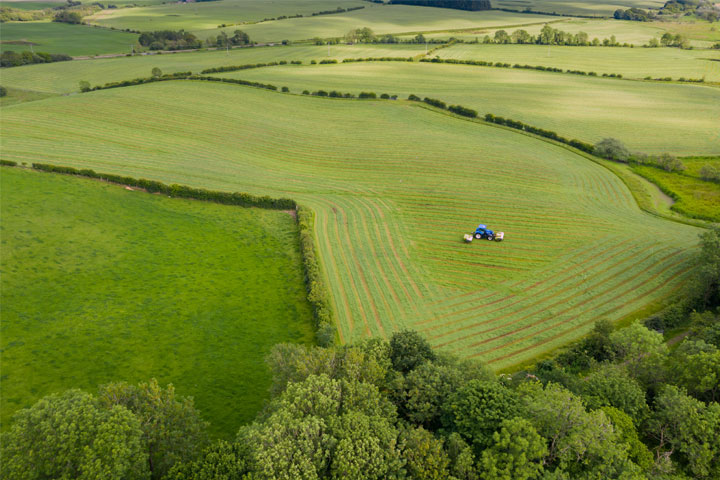
Have you checked the soil status of all your silage land recently?
There is still time to test fields scheduled for silage production this year if they have not been tested in the last four years. Every year, many soil samples from grassland are still below target for phosphate, potash or magnesium.Author:
Rory Geldard
NRM
11 March 2021
Plan your soil testing ahead of spring cropping
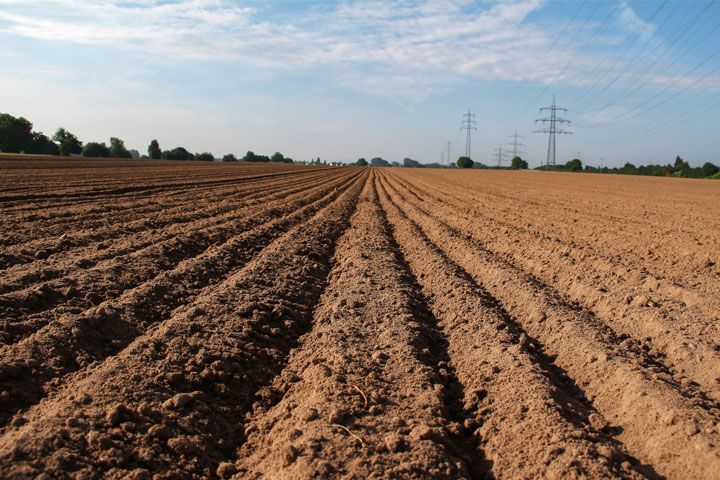
With many fields yet to be drilled this spring, there is still time to check soil nutrient status to give crops the best possible start. Spring crops have much shorter uptake periods than winter crops, so for rapid establishment it’s essential to provide adequate phosphate, potash and magnesium. This is particularly important for spring sown legumes, so if the soil status is below target, spring fertilizer applications have to make up the shortfall.Author:
Rory Geldard
NRM
5 March 2021
Using tissue monitoring to ensure crops access adequate nutrients
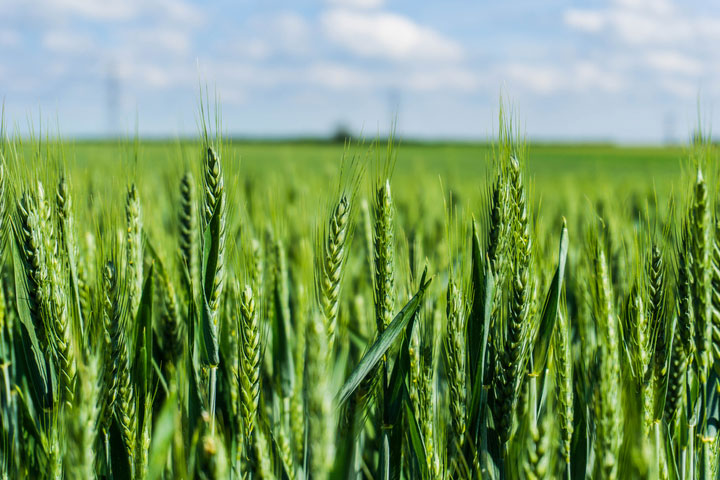
Understanding the nutrient content of your crops means you can take remedial action before the crop starts showing deficiency symptoms and can cover everything from nitrogen to micronutrients.Author:
Rory Geldard
NRM
27 February 2021
How much nitrogen is available in your soils for crops this spring?
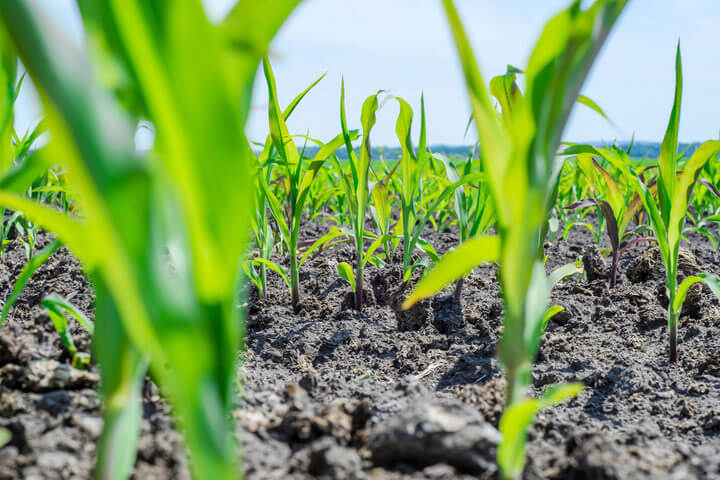
The agronomists and farmers who work with us are busy planning nitrogen applications for this year’s crops and to do this successfully, soil nitrogen availability must be assessed.Author:
Rory Geldard
NRM
18 February 2021