


Feeding time at the zoo: nutritional analysis for wildlife

Sciantec
Agriculture
From rhinos and turtles to orangutans and gorillas, there are so many fascinating creatures around the world who are endangered or in danger of becoming extinct. In 2022, there are 37,400 species threatened with extinction, with over 3,000 critically endangered. They all have a 50% probability of becoming extinct within as little as 10 years, so we need to do all we can to prevent this from happening.
Managing conservation is a high priority for zoos, conservation trusts, and zoological societies. To ensure the survival of many of our endangered species, these organisations undertake captive breeding programmes, reintroduction programmes, public education, and field conservation.
nutritional analysis for wildlife is an important factor in their preservation. Every animal has different requirements, and as there are currently only 3 zoological nutritionists in the UK, it can be difficult to get the balance right.
Organisations work with specialist laboratories, like Sciantec, to ensure endangered species have what they need to thrive both in captivity and in the wild. Read on to find out about some of the wonderful projects we have been involved in to help safeguard wildlife and maintain a safer, healthier planet.
Case study #1: Giant Pandas
Tian Tian and Yang Guang, a giant panda couple, arrived at the Royal Zoological Society of Scotland (RZSS) in December 2011. The ongoing attempts all over the world to encourage giant pandas to reproduce means that monitoring their progress is very important to conservation efforts.
RZSS closely monitors the nutritional composition of the different bamboo species fed to Tian Tian and Yang Guang. Analysis for proximate components of protein, ash, and fibre is carried out in the Society’s lab in Edinburgh with NIR. It uses predictive equations derived from reference values determined by wet chemistry conducted by Sciantec.
Analysis of vitamin D3, vitamin E, and calcium is also required as part of the routine analysis of bamboo. As reliable data for these parameters has not been undertaken systematically in zoos worldwide, RZSS turned once more to Sciantec. This helped keepers achieve a greater understanding of the pandas’ nutritional intake and requirements, to monitor and develop nutrition plans, and increase the likelihood of successful reproduction.

Case study #2: Vietnamese Giant Magnolia Land Snails
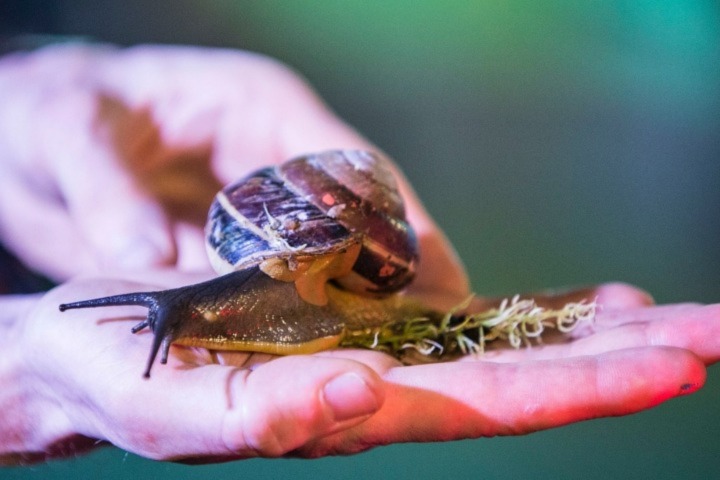
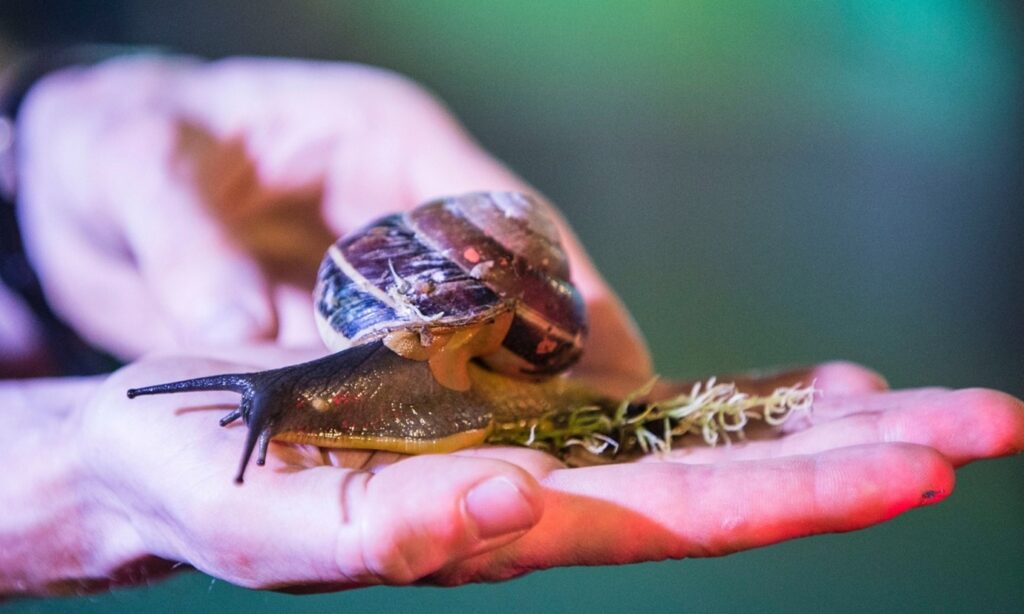
One of the more unusual requests that Sciantec has received was from London Zoo. They wanted the lab to investigate why their Vietnamese Giant Magnolia Land Snails were eating their own eggs.
Only found in one area of Vietnam, these snails were believed to be extinct until 2012, having been over-collected due to the attraction of their very large and decorative shells. Once a colony was found, 5 adult snails were sent to London Zoo to undertake breeding trials as part of an emergency conservation plan. The trials were successful, but the first set of babies began eating the second batch of eggs.
London Zoo quickly contacted Sciantec to investigate the issue. Our technical experts developed a novel analytical suite to determine if they were eating their eggs as a response to any nutrient deficiencies. The findings suggested that changes to the current diet should be made, and the zoo quickly rectified the deficiencies that were found. Soon, they had 37 healthy baby snails.
Through the joint efforts of Sciantec and London Zoo, the snails are doing fantastically.
Case study #3: Mountain Chicken Frog
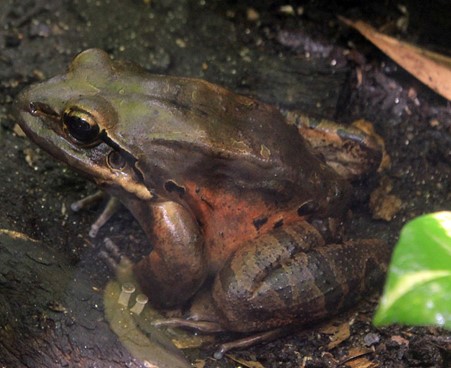
The Mountain Chicken Frog is a large frog (it can achieve an impressive weight of 1kg!) native to the Caribbean. It is a critically endangered species that has undergone a drastic population decline since the start of the 1900s due to a specific fungal disease.
The Durrell Wildlife Conservation Trust has developed a multi-partner conservation plan, including a captive breeding programme, to secure the species’ long-term survival in the wild. However, the exact dietary requirements of the Mountain Chicken Frog were unknown, hindering the Trust’s ability to understand its nutrition in the wild.
Sciantec received a cool box of euthanised and partially dried crickets, snails, land crabs, centipedes, and tarantulas, which are all part of this frog’s diet. We were asked to compare the nutritional content of the wild Mountain Chicken Frog in Monserrat with those in breeding facilities of the Zoological Society of London. The lab provided results for both the basic nutritional components like oil, protein, and energy, as requested, as well as a more detailed breakdown of amino acids, fatty acids, fibre factions, and vitamin and mineral content. This helped the Trust determine the best dietary plan to help the frogs survive long-term in the wild.
An insightful, sustainable future with Sciantec
As new challenges evolve in conservation and animal welfare, Sciantec is on hand to develop innovative solutions, produce insightful results, and nurture our clients’ ideas into projects. All analysis suites were developed in close collaboration with clients for specific requisites.
Sciantec has over 30 years’ experience in animal feed testing. We are UKAS and GMP+ accredited to satisfy quality management and assurance schemes for full compliance.
For more information on our services, contact us here.
Visit Sciantec