Independent agronomic and environmental laboratory analysis for land-based industries.
NRM is the UK’s largest independent provider of agronomic and environmental waste analysis for land-based industries. We offer water, soil, manures, and plant tissue analysis to farmers, growers and agronomists for improved farm productivity, as well as land-based environmental services including composted waste, anaerobic digestate, effluents and industrial renewables.
Our highly skilled team delivers comprehensive, timely and accurate results to customers for a variety of requirements.

Test your soils today
January through March were the third wettest in the last decade, which meant that soil sampling plans and schedules were delayed or scrapped altogether. Fertiliser prices have risen by 30% in the last quarter. Despite the closure of the Sustainable Farming Incentive (SFI), these factors compound how critical it is to understand the value of your soils year in, year out.
Your soil holds the answers. If you haven’t yet sampled, it’s important to do so now.
Soil organic matter (SOM) has a huge influence on the fertility of soil. In mineral soils, once SOM levels exceed 4%, every additional percentage point can deliver an extra 10kg of nitrogen to the crop (RB209). In a year where there is pressure to reduce fertiliser spend, knowing how best to target applications to where they are needed most and where applications could be reduced is more critical than ever.
Soil Health: Agronomy
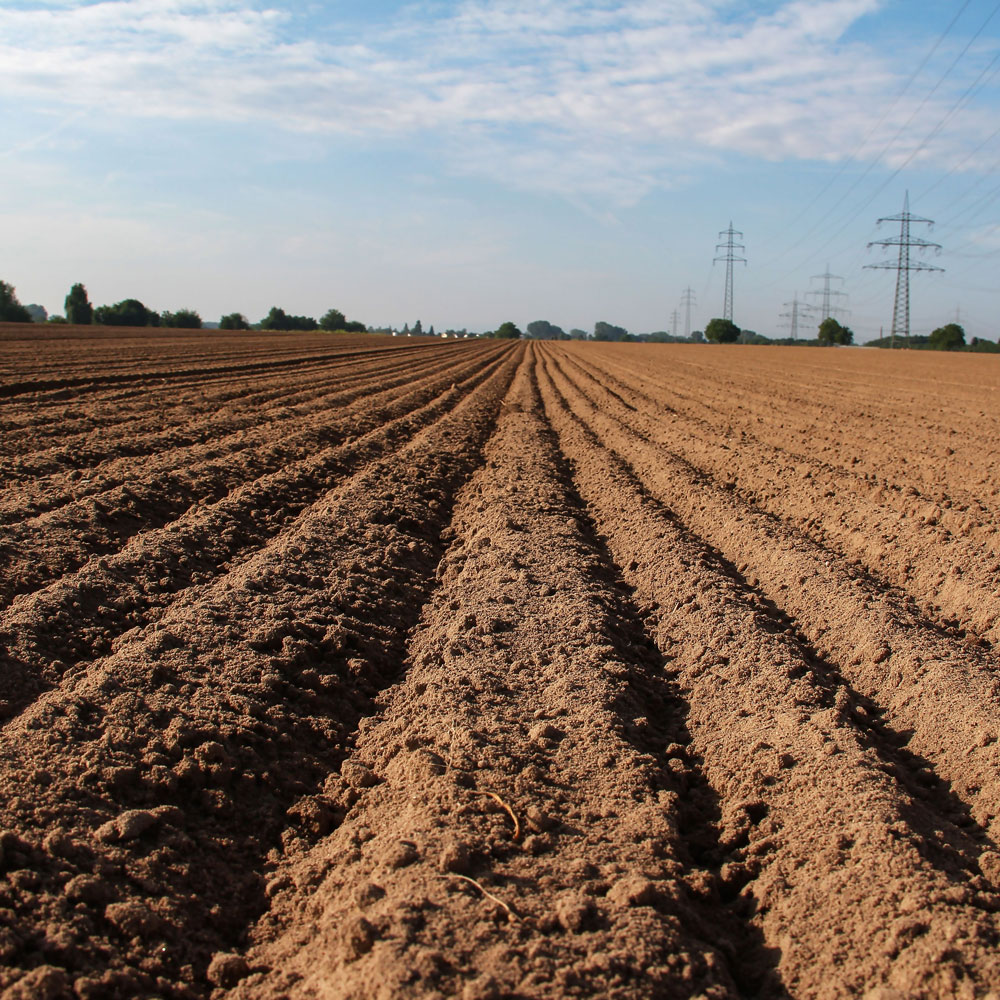
Analysing soil for nutrients and parameters such as phosphorus, potassium, magnesium, pH, trace elements allows farmers and growers to measure and benchmark soil health. It also helps growers tailor their fertiliser requirements to optimise crop nutrition and maximise yield. By assessing nutrient levels alongside soil structure and organic matter, growers can optimise fertiliser inputs, improve nutrient use efficiency, and support long-term soil resilience and crop performance.
As the UK’s largest agricultural soil testing facility, NRM analyses over 450,000 soil samples every year for basic nutrients. Each year we produce a soil summary of the year’s results as well as an interactive map enabling you to drill down by region.
View our Soil Health analysis packages here.

Soil Health: Specialist Soil
Specialist soil health tests provide data-driven insights that expand upon our standard soil tests for a holistic picture of soil function. Together, they support better decision-making in agriculture, land management, construction, and environmental stewardship.
Our specialist soil analytical packages provide detailed insights into soil carbon levels, which impact fertility, nutrient availability, water retention, and overall soil health. We also determine available nitrogen levels to establish how much is left in the soil for crop uptake and how much growers need to apply, and provide assessments that help determine the quality and suitability of both existing and manufactured soil.
View our Soil Health analysis packages here.
Crop Health
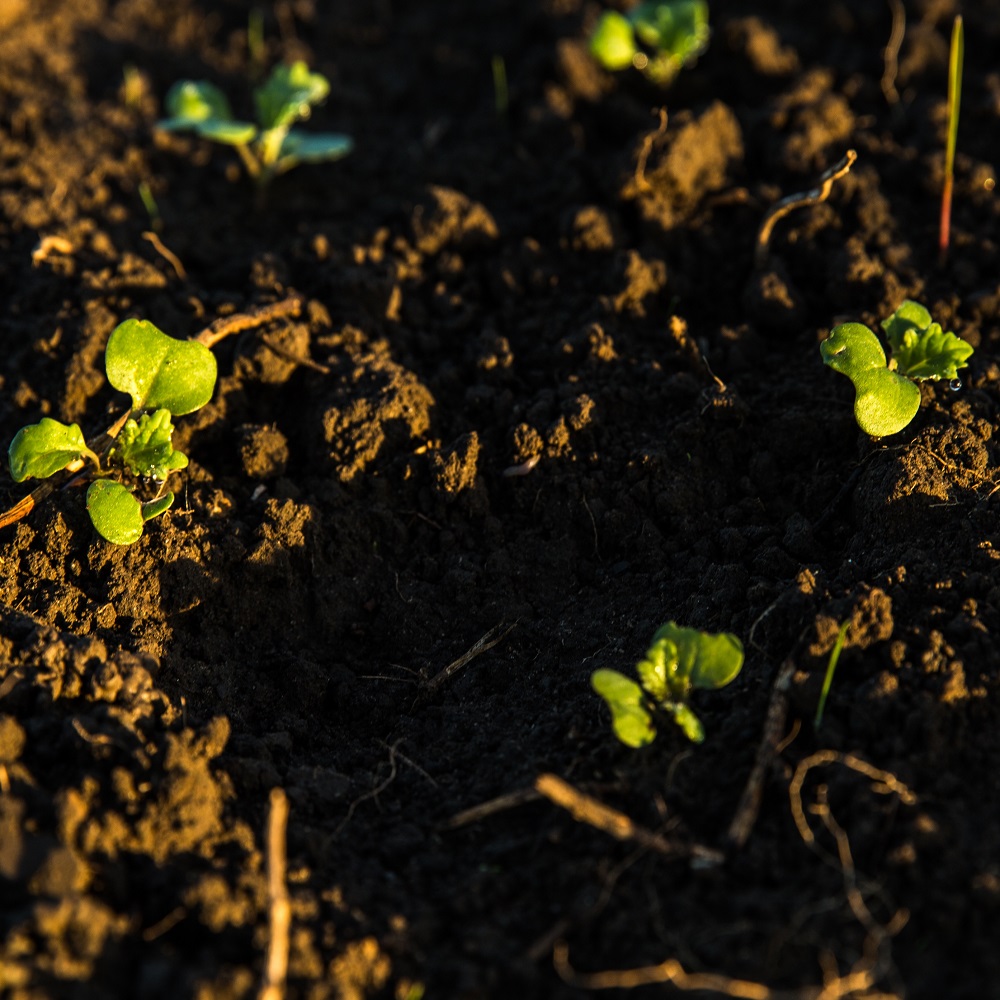
Plant tissue analysis is key to understanding the nutrient content of your crops before deficiencies become yield limiting. Undertaking plant tissue analysis alongside soil analysis enables farmers and their advisors to identify nutrient and trace element deficiencies in the plant and adjust their crop nutrition plans accordingly.
CropCheck is the next innovative step in plant tissue analysis. This service, which is for a broad range of cereal crops, links nutrient values to the growth stages that coincide with the fertiliser application window. Your results will show where your crop is compared with where it should be at that key growth stage, enabling you to adjust your fertiliser plans if necessary, potentially saving you money.
Our GrainCheck service for cereals, oilseeds and pulses comes with an online calculator to allow you to calculate actual nutrient offtake from your results. We also offer bespoke package options for our customers’ specific needs.
View our Crop Health analysis packages here.
Horticulture
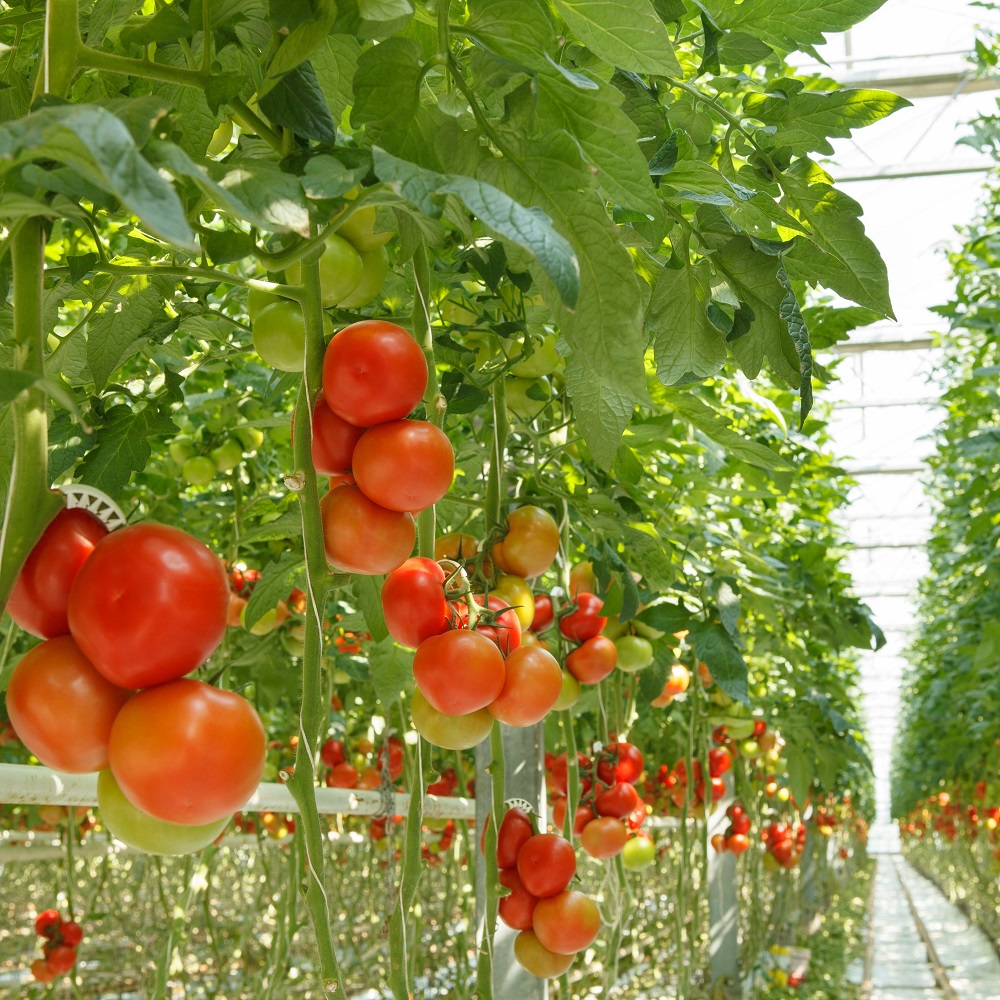
The nutrient solutions in NFT provide plants with the necessary elements to maximise crop production. The solution concentration needs to remain below the level at which interference with water uptake occurs, whilst maintaining sufficient nutrient levels.
Analysing growing media, nutrient solutions, and water ensures that nutrient levels remain optimal, free from harmful imbalance, and able to support healthy crop growth. Our horticulture analytical suites determine nutrient levels, allowing growers and their advisors to make informed management decisions.
Services include our glasshouse soil suite, compost suite, standard water, standard NFT and dissolved silicon analysis. Standard analysis of growing media is carried out to the BS EN 13040 standard.
View our Horticulture analysis packages here.
Water
Testing water for agricultural use is essential to confirm it is safe and of suitable quality, including appropriate salinity, pH, and mineral levels, to safeguard animals, crops, soil, and irrigation equipment.
We provide testing and guidance for a range of water types used across amenity, horticulture and other land-based sectors for core parameters such as pH, electrical conductivity, chloride, sulphate, and key nutrients including nitrate-N and phosphorus. We also measure a broad suite of minerals and trace elements to help determine water suitability, and provide Biological and Chemical Oxygen Demand (BOD and COD) analysis for monitoring water quality in agricultural and industrial applications.
We offer both standard water packages and specific livestock and irrigation suitability suites to meet customer requirements. Our livestock and irrigation suitability suite results are supported with clear interpretation to help identify potential issues and inform practical management decisions.
View our Water analysis packages here.

Organic Materials: PAS Compliance
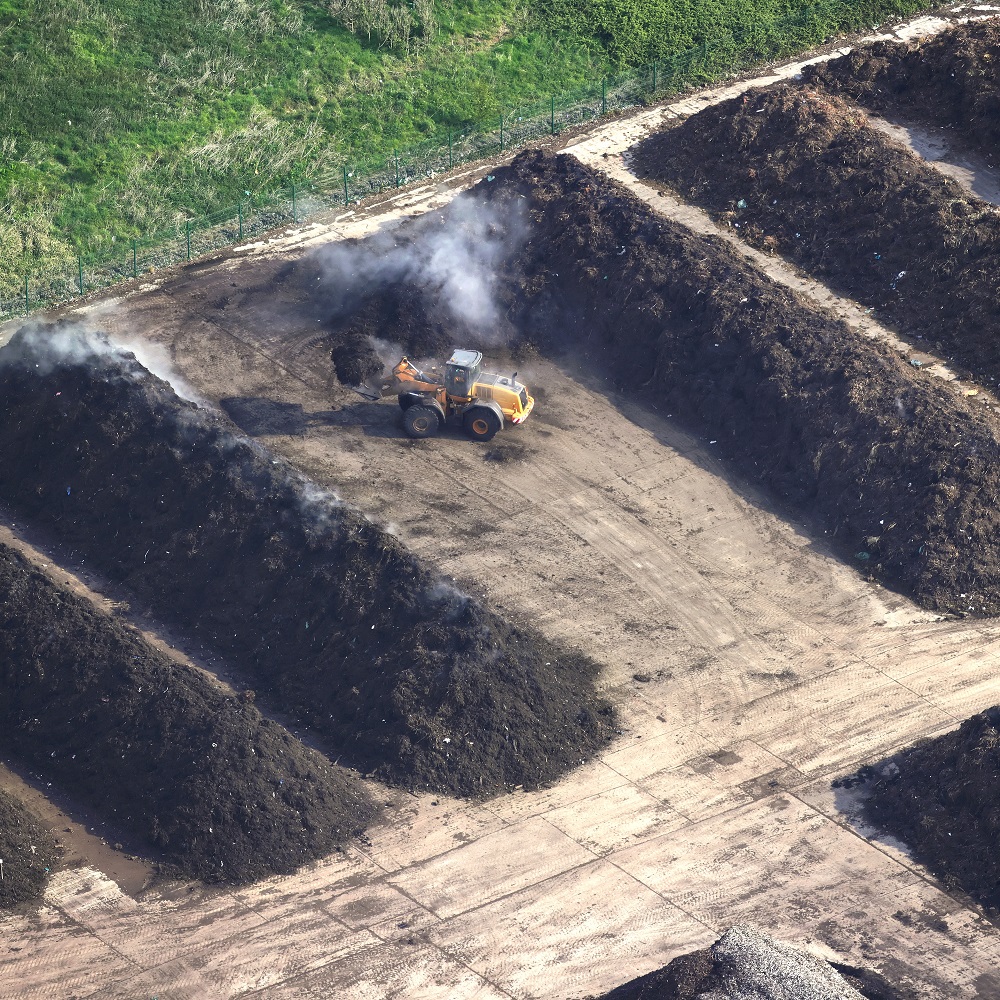
PAS100 (for composted waste) and PAS110 (for anaerobic digestate) are UK quality standards designed to ensure that compost and digestate produced from waste materials are safe, consistent, and reliable for use in agriculture, horticulture, and land management. PAS certification helps demonstrate due diligence to regulators, providing traceability from waste input to land application and giving growers and land managers confidence that they are meeting these standards.
Our PAS100 and PAS110 compliance analytical packages ensure that compost and digestate are not only safe and consistent products, but are applied in a way that protects soil health, maximises nutrient value, and meets environmental and regulatory expectations.
View our Organic Materials analysis packages here.
Organic Materials: Anaerobic Digestion
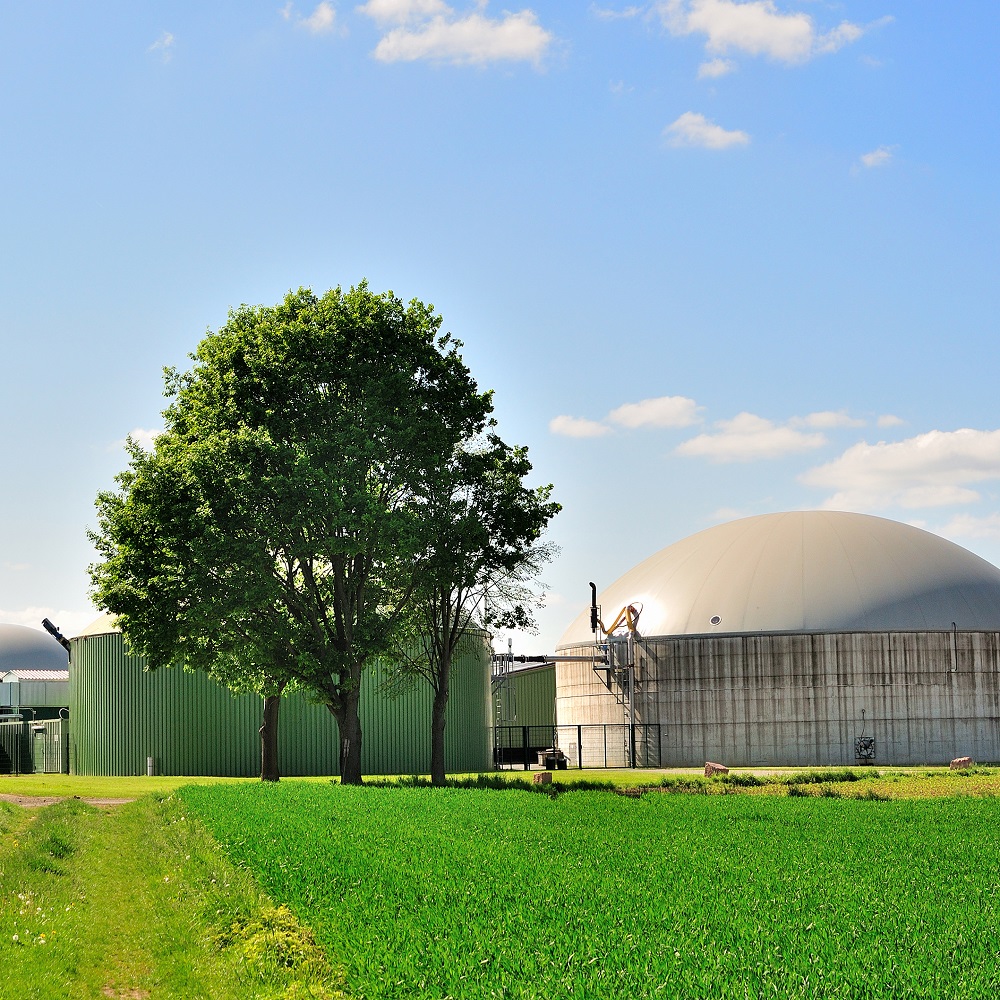
Analysing feedstock for anaerobic digestion (AD) plants provides essential information about its composition, enabling the digester to run efficiently, preventing the introduction of materials that could inhibit the process or damage infrastructure, and ensuring consistent biogas yield and stable plant operation.
Regular testing of the resulting digestate acts as a “health check” for the digester, helping operators identify issues early and maintain efficient, stable biogas production.
We offer a customer focused service for a variety of AD analytical packages, from feedstock suitability and process analysis to Biomethane Potential (BMP) bench scale analysis with over 20 baths in a dedicated lab and Residual Biogas Potential (RBP) analysis.
View our Organic Materials analysis packages here.
Organic Materials: Application to Land
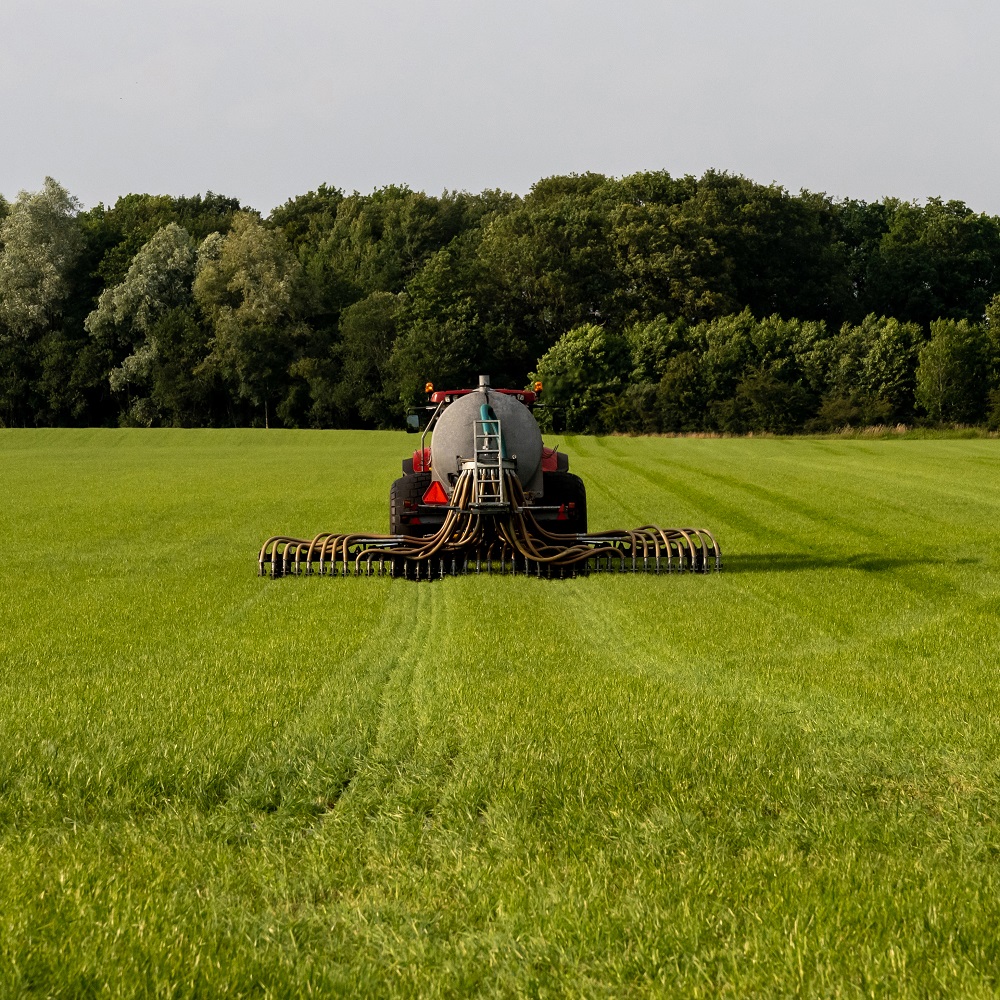
Manures and slurries are a valuable source of nutrients and organic matter, which can improve soil condition and increase crop productivity. Although RB209 provides standard values, the nutrient levels in organic fertilisers can vary considerably.
Our organic materials analysis packages give information on the nutrient value of farm and waste products to help you save on fertiliser inputs, minimise the risk of nutrient leaching, and reduce negative impacts on the local and wider environment. We recommend the use of these tests before any organic material applications and alongside soil analysis for a full picture of the nutrients being made available to the crop.
Our tests cover nutrient content, potentially toxic elements (PTEs), organic matter, and related parameters, providing clear data to support fertiliser planning, material suitability assessments, and sustainable land application.
View our Organic Materials analysis packages here.