


Why should you test your soil health?
Why should you invest in your soil? What benefits are there for you and your farm?
Put simply, better knowledge of your soils can save you time and money, increasing profitability. Regular soil testing can give you the opportunity to increase crop yields, use less fertiliser, take advantage of carbon markets and ultimately improve revenue streams. Read on to find out how NRM and IAS can help, or fill in our form below for more information.
As the UK’s leading provider of soil analysis, NRM has been gathering soil analysis data since 1995. This helps farmers and advisors understand current nutrients status across the UK, benchmark against other farms with current data, and improve soil health to optimise crop production.Read our Soil Summary for 2024-2025 to see how the UK’s soils are currently faring.
Get in touch to learn more about soil analysis
Please enter your details and we will be in touch.

Why should I regularly test my soil pH?
When soil pH falls to 5.5, nitrogen and potassium availability drops to 77% which means that wheat yields can be reduced as much as 25%. pH can vary significantly across your farm, so regular soil mapping and analysis can help you target corrective measures. You can order soil tests through your agronomist or get a quote here.

Why should I test my soil for nitrogen?
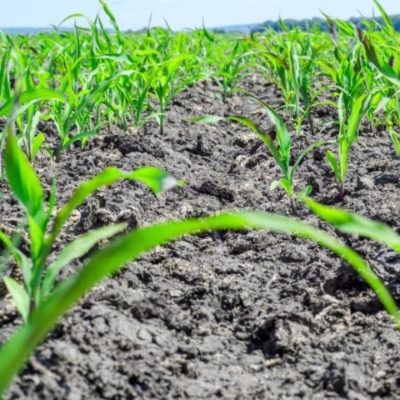
Nitrogen is responsible for the rapid growth of foliage. When there’s a deficiency, you’ll often see lower yields. Nitrogen fertiliser is currently priced at £870/tonne, so it’s worth checking whether your soil really needs it! Get a quote for our N-Check or N-Check Plus analysis service today to see how much fertiliser you need to apply in the Spring.
Should I test my soil for other nutrients?
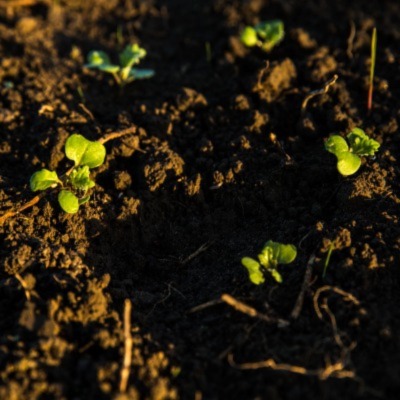
Between one third and one half of all soils tested are found to be deficient in at least one nutrient. This can have serious consequences for crop yield and profitability. We recommend testing soil at least once every four years. Get a quote today.
Why should I test my soil structure?
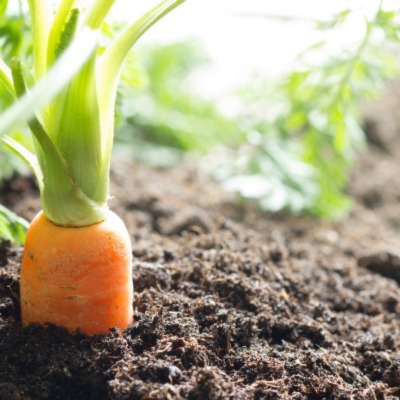
Compacted soils prevent the free movement of water, restrict root growth and significantly impact yield. Soil texture maps will help in planning remedial action as soon as conditions allow. Discuss with your agronomist or contact us to monitor your soil texture more closely.
Frequently asked questions
Why should I test my soil health?
Regular monitoring of your soil with expert analysis is essential to maintain yields and maximise nutrient use efficiency. By monitoring your soil regularly, you may increase crop yield and will be able to carefully plan your use of fertiliser, saving you time and money.
What should I test my soil for?
You should monitor soil pH, nitrogen and other nutrients, soil texture and soil organic matter.
Why should I measure my soil organic matter (SOM)?
The higher soil organic matter (SOM) content, the more fertile a soil is. For example, whilst a 3% SOM content soil typically mineralises about 25kg N/ha, an 8% content soil mineralises around 65kg N/ha.
Sending your soil samples to us for CarbonCheck analysis will give you an accurate measure of soil organic matter as well as an understanding of soil fertility through active carbon testing. At the same time, you can ask for N-Check analysis, which measures the mineral nitrogen in your soils to help you plan fertiliser applications for the coming season.
We recommend regular soil testing to make the most of what’s already in your soils, help you adjust farming practices to improve soil health, and plan effective crop management strategies for the coming season.
Who benefits from soil testing?
All landowners, farmers and their advisors, including agronomists, can use our various testing for their soils. This can increase revenue streams, advise on and improve soil health and productivity.
How do I measure soil health?
Soil health can be measured using a range of our soil analysis services, booked with us directly or through your agronomist. Our CarbonCheck Plus package includes active carbon on top of the full list of soil carbon tests, which is necessary if you are trying to improve soil health and assess the impact of sustainable farming practices.
How do I improve soil health?
By undertaking regular soil testing at the same time of year at the same depth, you will get a solid picture for the condition of the soil around the farm. Remember, this will vary according to farm location and should be considered a long-term project to give the soil the time it needs to improve. By using your soil testing data, you can work with your agronomist to make the best management decisions for your farm and improve soil health. This could include changes to fertiliser plans, choices in crop rotation, cultivation methods, and much more.
How do I test for soil health?
If you are trying to improve soil health, you will need to measure active carbon. CarbonCheck Plus includes an active carbon measurement on top of the full list of soil tests available with our baseline CarbonCheck package. Measuring, monitoring, and benchmarking soil health for year-on-year improvements with CarbonCheck Plus will also enable you to assess the impact of sustainable farming practices.
If you would like to talk to us about any soil health testing, please fill in the form below.