Committed to supporting a safer, healthier planet with environmental analysis
The protection of human health and the natural environment is a key driver for governments and businesses. There is an array of legislation which requires organisations to monitor and mitigate risks to people and the planet.
Sampling and analysis of emissions, air, water and waste identifies issues and provides reassurance to employees and communities, whilst ecological management contributes to conservation and biodiversity.

Cawood is a leading independent provider of environmental waste, emissions and environmental analysis, as well as occupational hygiene, field monitoring and sampling services. With decades of experience, a nationwide team of sampling technicians, and a network of accredited laboratories, we work with businesses, organisations, consultants and government to identify and manage risks to the environment and human health.
Establishing and maintaining compliance
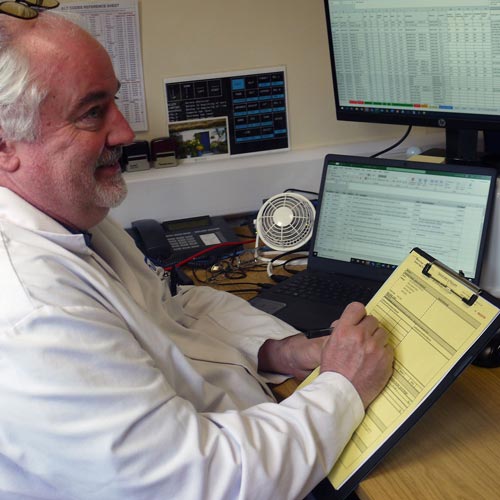
To ensure businesses and industries comply with environmental and workplace legislation, regular sampling and testing must be undertaken. This ranges from air quality monitoring in the working environment to the classification and testing of waste for reuse or energy generation. It includes emissions testing for industry, water and sewage monitoring for utility companies, and contaminated land and groundwater analysis for brownfield sites.
Many industries work to a permit schedule which requires professional sampling and expert analysis by an accredited laboratory for compliance. As environmental and health and safety legislation increases, regular monitoring and analysis will become even more important.

Keeping employees safe
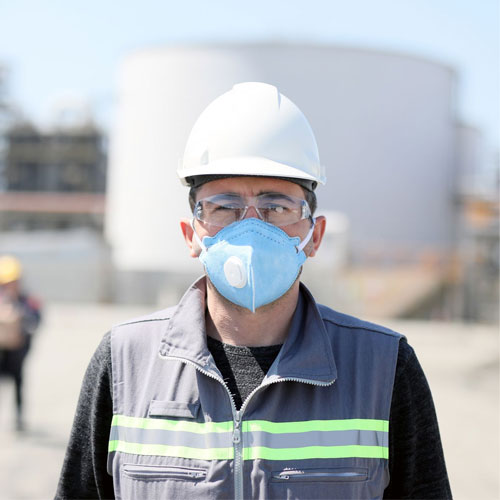
Every company must protect the health, safety and welfare of their team members and customers by providing a clean, safe environment in which to work. Industrial and food manufacturing companies can potentially expose their employees to harmful dust, vapours or gases, which can cause allergies, skin diseases, respiratory issues or even cancers.
There is substantial regulation in place to ensure that companies control or eliminate health risks. Occupational hygienists monitor workplace atmospheres for hazardous substances as an important part of risk assessment to determine if workplace concentrations fall within the workplace exposure limits (WEL).
Protecting air quality
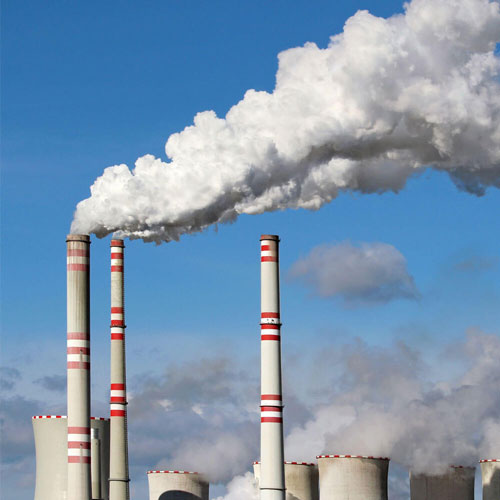
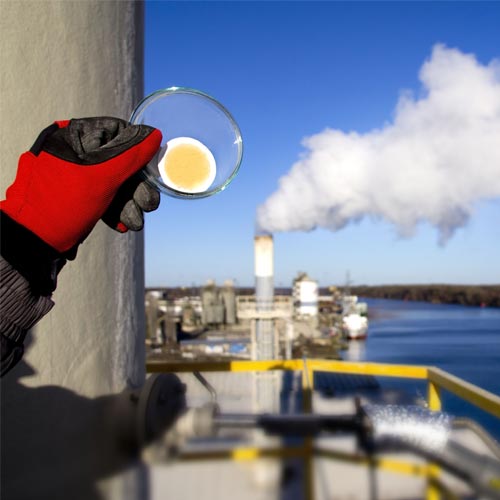
COVID-19 has increased awareness of respiratory issues and the importance of satisfactory air quality. Not only is it estimated that 24,000 people die prematurely each year because of air pollution in the UK, but emissions must be monitored and reduced to help meet the UK government’s pledge for net zero by 2050.
Stack residues and emissions analysis for dioxins and furans is required for UK industrial sites, including energy from smelting plants, waste plants/incinerators, and cement kilns. Air quality should also be measured through indoor and ambient air quality and dust sampling services in accordance with official guidance.
Managing water quality
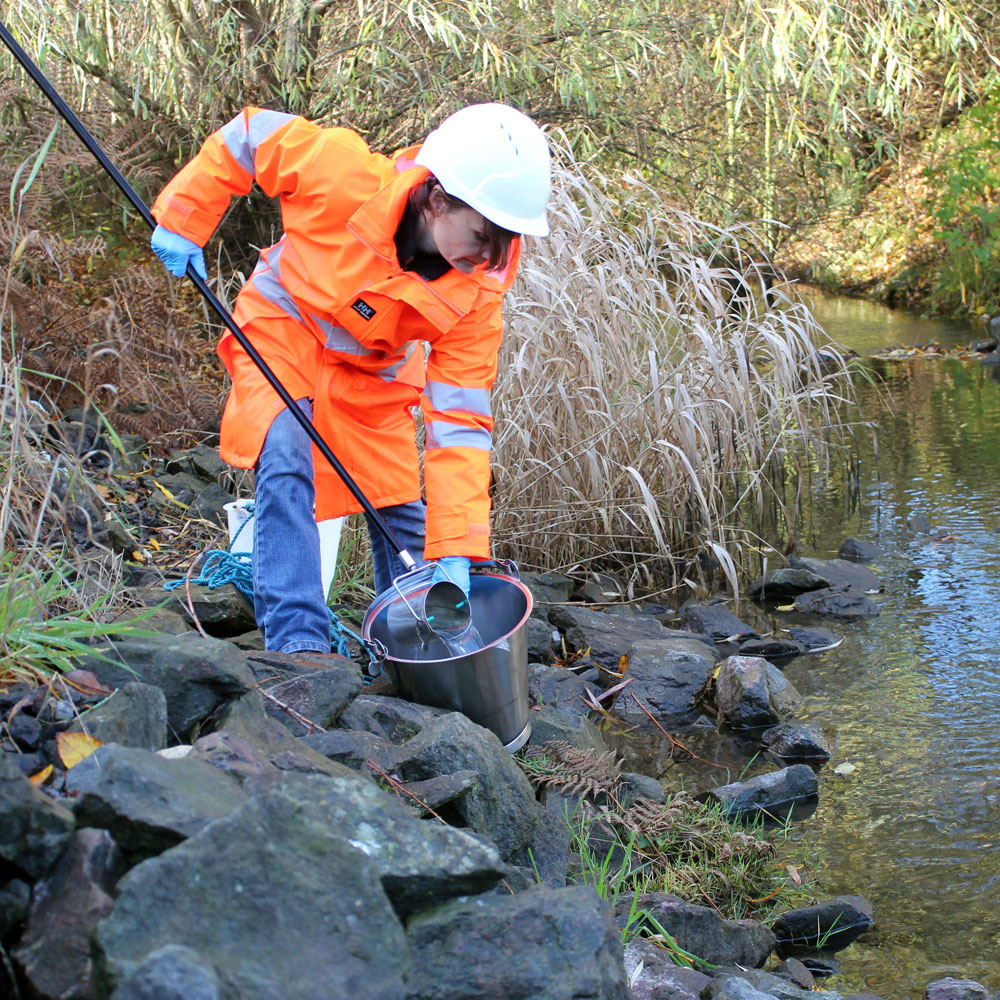
Water contamination occurs through agricultural chemical leaching, industrial activity, and incorrect disposal of waste. Surface and groundwater monitoring is essential to preserve aquatic ecosystems and tackle challenges facing the environment, from low flows to the effects of pollution and the spread of invasive species. Sampling and testing water from coastal areas, river catchment, outfalls and reservoirs to examine our drinking and bathing water quality is also essential to ensure its safety.
Results pinpoint existing and potential issues, and identify trends in water bodies over time. This allows companies and organisations to design pollution prevention and management strategies.
Protecting the natural environment
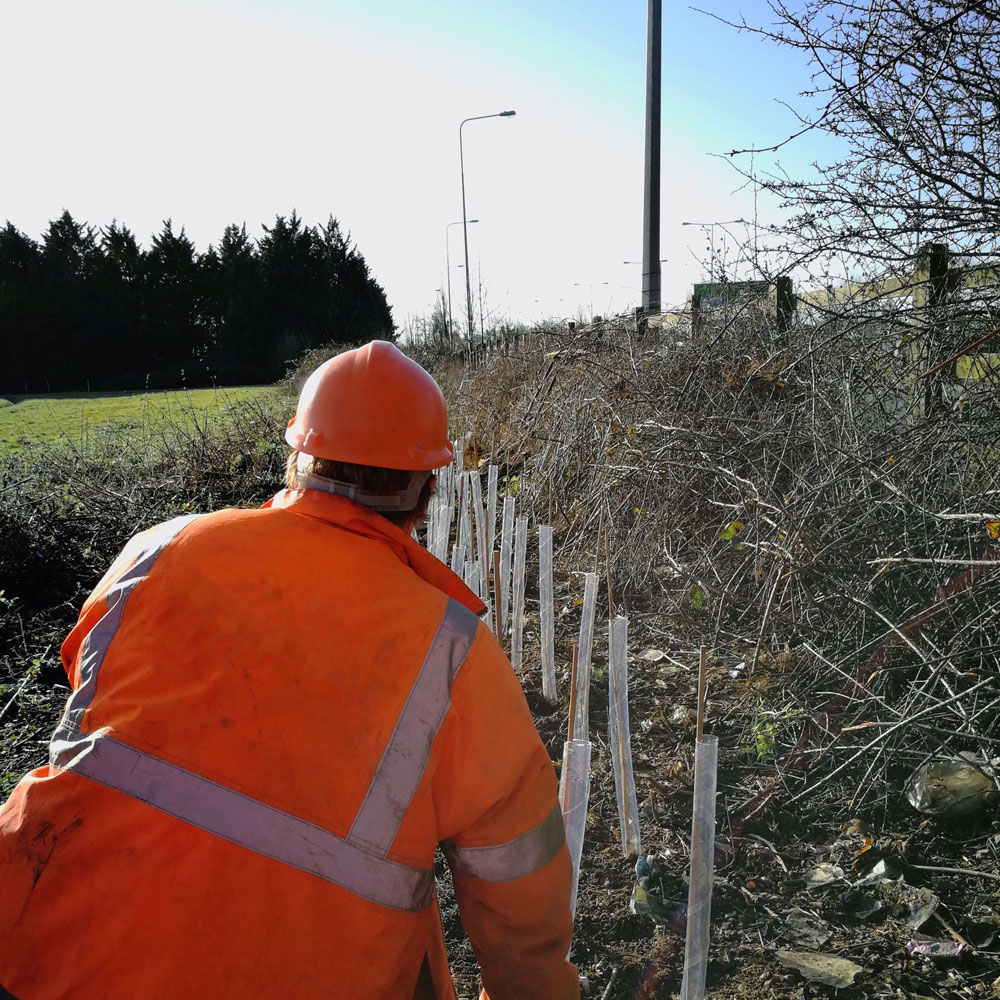
Effective ecological and land management supports healthy food production, clean air and water, and biodiversity. Undertaking habitat and species surveys, scrub clearance, vegetation management and providing habitat management solutions for a variety of species helps organisations meet ecological management obligations. This is particularly relevant for the construction industry which must demonstrate that local wildlife and habitats have been considered before planning permission can be achieved.
Managing waste for energy
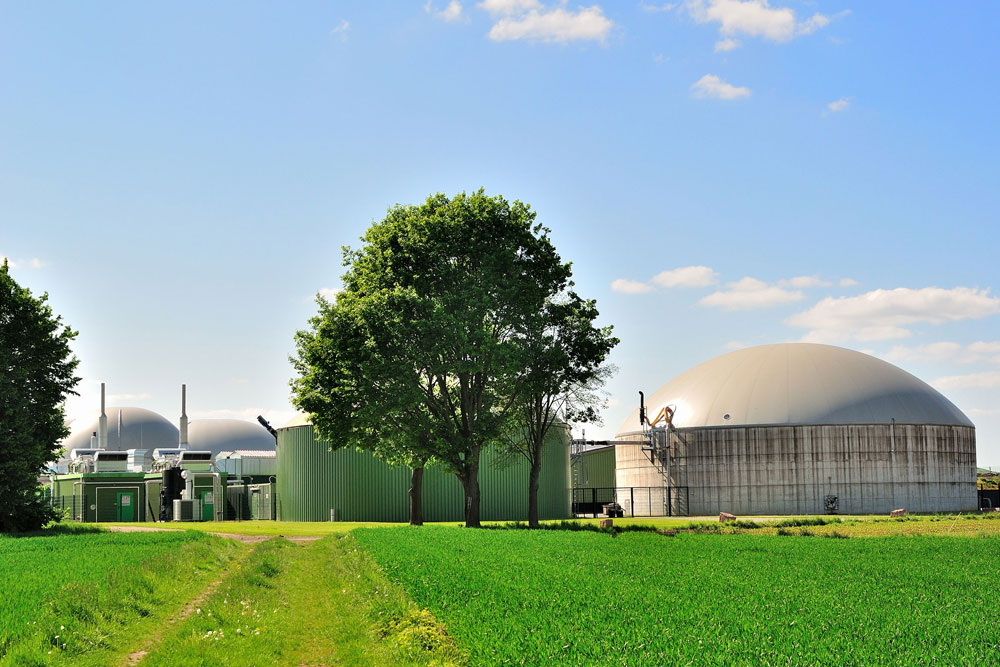
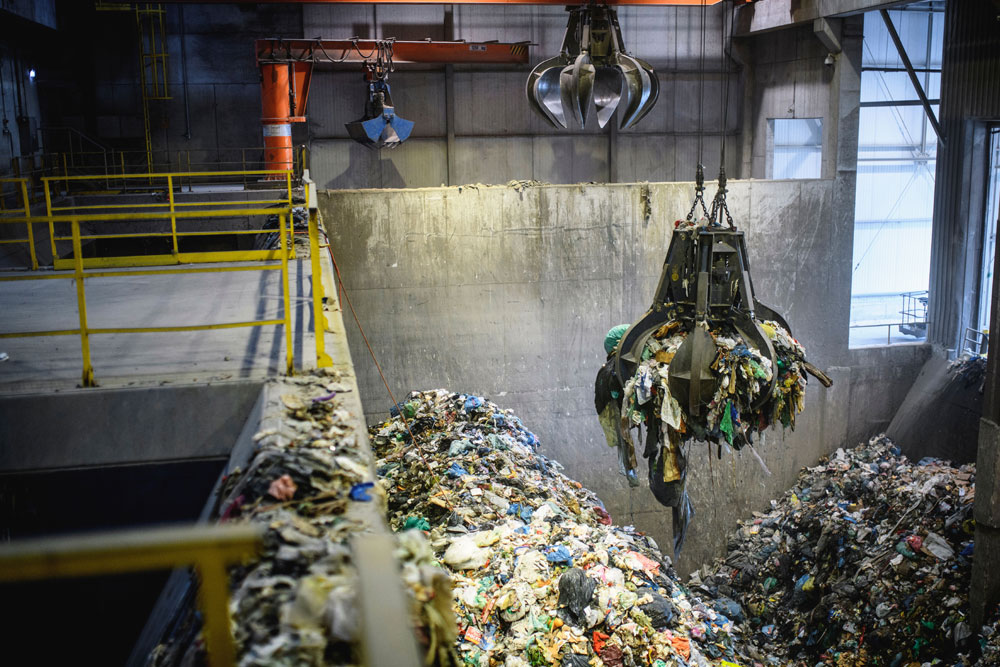
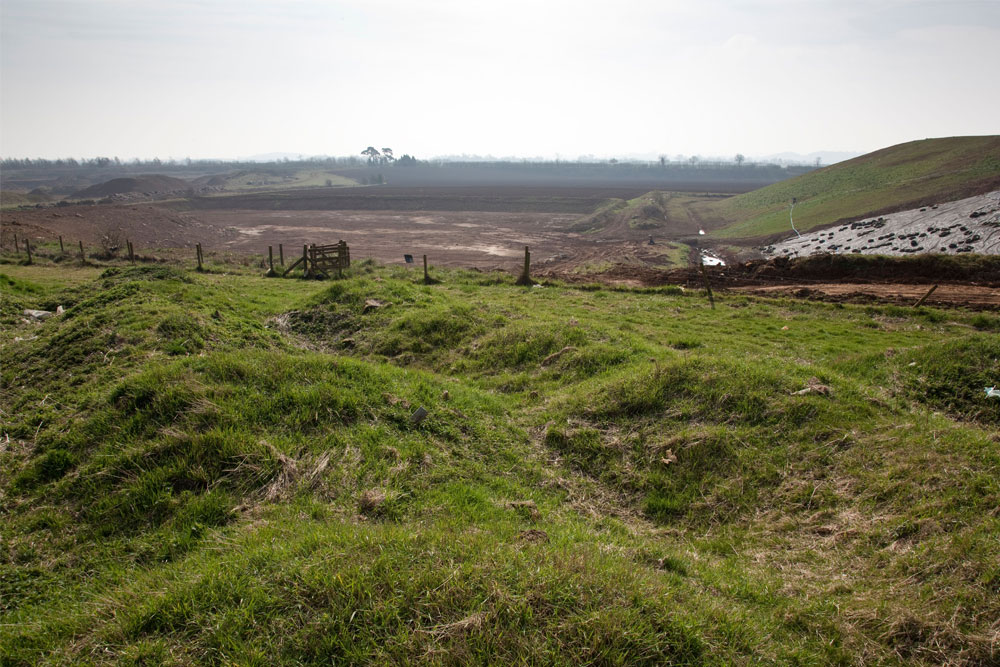
Landfill has traditionally been used for the disposal of many wastes. Now, government regulations are encouraging the re-use of wastes, which are considered a valuable commodity. Wastes are treated in a Materials Recycling Facility (MRF) which separates for reuse those that can be readily recycled, such as metals and plastics. The residual waste is then tested to assess its suitability for use as feedstock for Energy from Waste plants, which recover energy and generate electricity through incineration, gasification or pyrolysis. We also deliver testing services to the renewables sector for anaerobic digestion (AD) plants, where materials are treated to produce biogas and converted into energy.
Hazardous waste must be classified through sampling and laboratory testing to meet EC regulations and Environment Agency guidance.