


In-season tissue analysis: has this year’s weather adversely impacted your crops?

NRM
Agriculture
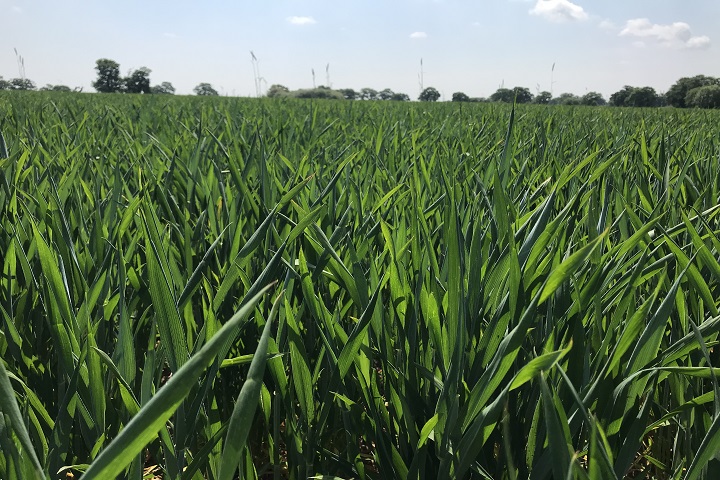
One of the basic principles of plant nutrition is that nutrient prevention is better than a cure. In-season tissue analysis can be particularly useful in keeping nutritional supplies on track, as it provides information to enable proactive decision-making. More than ever, we need our food system to withstand whatever the weather throws at it, and this year’s weather (particularly the spring of 2025) has been challenging yet again with the return of warm and dry conditions.
The effects of the prolonged dry and warm spell on crop production remains to be seen and we won’t really know until the combines start to roll. What is certain is that hot and drier weather is more likely with a changing climate and, therefore, we have to be prepared to step in and insulate our growing systems so the effects can be managed.
The weather so far in 2025 and how it has affected crops
April has been the sunniest month across the UK since records began in 1910. In fact, we have seen 47% more sunshine hours than the long-term meteorological average, according to provisional Met Office figures.
It was also the sunniest April on record for England, and the second sunniest for Wales, Scotland and Northern Ireland. Temperatures have been 1.7°C above average, meaning the UK has recorded its third warmest April for mean temperature since the series began in 1884.
The warm and prolonged dry conditions are likely to have affected how and whether plants have accessed the nutrition they need, as prolonged periods of drought often reduce soil nutrient availability. Nutrient deficiencies can themselves affect the normal function of leaves and the permeability of leaf surfaces, thereby limiting the rate at which a plant can absorb nutrients if a foliar treatment is applied.
This is important to recognise because the efficacy of foliar sprays to correct a deficiency will be reduced if plant leaves and their surfaces are not functioning as they should. Major nutrients, such as phosphate (P) and potash (K), and minor elements, including zinc (Zn) and boron (B), can all impact leaf surface properties.
How we can mitigate the impact of this year’s weather
To support our soil nutrient supplies, foliar sprays can be an effective way to supplement nutrients during dry conditions when they are at risk of being limited due to a lack of moisture. Targeting their applications during the evening, when relative humidity is higher, reduces the risk of products drying on the leaf and usually means a better rate of absorption into the plant. Applying foliar products during the evening or early morning also helps avoid burning the leaves, which is a risk when plants are stressed, it’s sunny and warm, and where application rates are high.
Different nutrients, however, behave differently within the plant, in terms of how quickly they become biochemically active and start to support the particular plant function. Nitrogen, for example, is extremely rapid, taking only a couple of hours. On the other hand, some trace minerals, such as Molybdenum, can take significantly longer (between 10 and 20 days). Therefore, planning remains essential in protecting plant health and crop productivity.
To reduce the risk of soil nutrient supply disruption and resulting crop deficiency, it’s essential to ensure that our soils are well-functioning and have the built-in resilience to support crop growth, even during challenging periods like extended droughts. Building and maintaining soil organic matter can supercharge the functioning of soils and help the system retain water, even in the lightest textured soils. This helps crops hang on that little bit longer until the inevitable happens and it starts raining again.
In-season tissue analysis for optimal crop production
Over the last few seasons, tissue sampling has become more popular amongst farmers and advisors because it identifies the risk of a deficiency developing before visual symptoms become apparent in the crop. This approach is becoming more routine because, in-season, timely analysis means that the risk of deficiency can be stopped in its tracks and acted upon more quickly.
Plant analysis is a crucial tool for evaluating the effectiveness of in-season nutrient management. Regular crop sampling in spring or at well-defined points within the season provides insight into the nutrient status of crops. This information is invaluable for refining nutrient strategies and helping to better match the requirements needed to support soil indices and crop need.
Knowing this all within the season as it progresses allows timely adjustments to nutrient management strategies before it’s too late.
NRM’s innovative plant tissue analysis service for cereals, CropCheck, goes a step further. It links nutrient concentrations to critical growth stages that align with spring fertiliser applications, providing information on how your crop’s nutrient levels compare from the target at GS30-37. This allows you to adjust your fertiliser plans and manage your nutrients more efficiently and effectively—which not only could save you money, but also helps to protect the environment.
Whilst CropCheck targets cereals crop earlier in the Spring, general tissue analysis can also be taken at any growth stage to monitor the health and progression of crops.
How NRM can help with in-season tissue analysis
It’s getting towards the end of the tissue testing window. Make sure your crops are where they need to be for optimal yields before it’s too late.
We will provide you with a sample kit containing everything you need to place your order for CropCheck analysis. Results are reported the next day, in an easy-to-understand visual format so nutrient adequacy can be determined and acted upon quickly. Interpretation is also provided to guide why nutrients might be high or low.
We also offer soil analysis, including soil organic matter testing, to help you improve soil health and optimise crop production.
For a quote on any of our services or more information, visit our website and contact us today.