


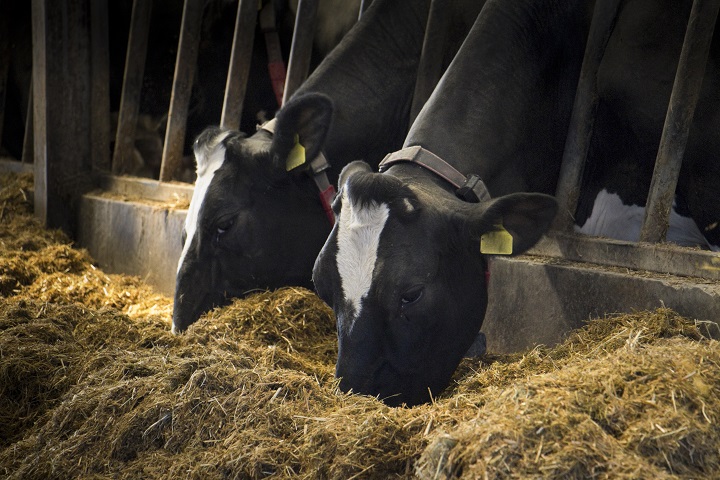
Why should you analyse silage before winter? #1

IAS
Agriculture
With winter housing and buffer feeding just around the corner, now’s the time to think of your silage quality.
Grass silage is the most used source of feed for livestock farmers during the winter months, beating out hard feed and forage. However, to get the most out of your silage, you need to analyse it before winter. Why?
Read on to find out more about the potential issues found in silage this year, why you should analyse silage before winter, what silage analysis includes, a guide to your silage results, and how IAS can help you optimise animal nutrition.
The potential issues of 2023 silage and why we should analyse before winter
Throughout September, we have primarily evaluated silage for customers who have started buffering spring calves and those who have autumn calving dairy herds. For all livestock farmers, good silage quality is a priority to maintain performance and to complement autumnal grazing.
The summer of 2023 was an unusual grass growing year, with huge variability in the silage produced. Early analysis throughout September has shown varying quality of silage saved, with a significant amount of substandard silage saved by many farmers earlier this year. This was substantially influenced by the dry weather conditions in April and May, along with poor conditions in July. Some farmers who cut silage in late April and early May seem to have achieved the best quality, whereas the silage saved later in May and throughout June may have resulted in substandard winter feed.
Like other years, many of this year’s silages are either too dry or very wet.
Over wilting continues to be an issue, which was the case for second cuts taken in very dry weather. Dry silages are very difficult to preserve, are often a source of moulds and toxins, and often see a pH of greater than 4.4. Excessively dry silages with high pHs will require very careful management in the pit as, once the air hits, spoilage will be rapid. If moulds and toxins enter an animal’s digestive system, they will inhibit the population of good bacteria in the rumen, causing poor performance.
Another issue that we have seen in 2023 is high ash content. This shows high amounts of soil contamination in the harvested silage, which could indicate that either the mower or rake is being used too tightly to the ground.
Wet silages saved between late May and early June also provide significant challenges. The nutritional importance of the animal consuming dry matter is huge, but it is very difficult to ensure animals get enough from wet silage. Wet silages are prone to high concentrations of acids, which can depress appetites and, in some cases, induce acidosis.
With both wet and dry silages, it’s best practice to feed it fresh each day to minimise waste in storage and at the feed trough, as animals consume more fresh feed than stale material. As such, managing intakes with analysis is the best way to manage animal output.
Analysis undertaken before the winter will help you make informed nutrition decisions for your livestock. This will ensure you get the best from your animals during this period where they need more calories during the winter months to maintain body heat and growth. Analysis will also help you supplement your animals with the correct rate of concentrates to meet their daily dietary requirements and meet performance targets. This not only saves you money on unnecessary supplements, but will optimise animal productivity.
IAS’ silage analysis services can determine the feed value of your silage to help you devise nutrition plans for optimal animal productivity this winter.
What does silage analysis include?
IAS Laboratories offers a range of silage testing services including feed evaluation and full mineral analysis. We test for a broad spectrum of minerals and determine the nutritional value of the silage overall. Data is given on dry matter, pH, ammonia, protein, metabolisable energy (ME), and dry matter digestibility (DMD).
When providing a silage sample for analysis, it is important to follow the correct method of sampling to get the most accurate results. The nutrition levels of silage can then be confirmed through independent laboratory analysis.
For some tips on growing good quality silage and sampling best practices, read our expert blog from last year.
For a guide to your silage results and why you should use IAS for silage analysis, read part 2 of my blog here.
Contact IAS on 059 9721022 or sales@iaslabs.ie for a quote.