


The latest in porcine veterinary diagnostics analysis #1

Sci-Tech
Agriculture
Diagnostics are a vital tool in the livestock veterinarian’s arsenal. Testing undertaken by an accredited laboratory enables vets to have analytical evidence of the suspected illness after clinical observations have taken place, and to assist with monitoring the animals’ health. Independent confirmation of the suspected diagnosis means that the vet can provide effective, targeted clinical treatment to assist the producer or livestock farmer.
There are two main methods we use at Sci-Tech to detect diseases in pigs: serology and PCR screening. Read on to learn more about veterinary diagnostics, how it benefits vets and livestock farmers, serology screening, and how Sci-Tech can help.
Why do I need veterinary diagnostics analysis?
Following good farming practices is the most effective way to successfully reduce the spread of disease amongst livestock. Regular monitoring can highlight if there are any health challenges appearing in the herd before symptoms become apparent, and can provide traceability for the health status of the animal for the duration of its life.
In porcine serology, there are regulatory controls for artificial insemination production farms to prevent diseases being transferred during the insemination process. Screening for export or transport purposes are required to ensure that respiratory diseases such as PRRS and M. Hyo are not transferred to a disease-free herd. These are key parts of the biosecurity of the herd and protects its value.
So, not only are diagnostics vital for animal health, welfare and productivity, but they also uphold safety in the food chain and help producers maintain compliance.
Ultimately, serology and PCR screening results can be used by vets and producers to assist in:
- Diagnosing diseases
- Determining animal vaccination status (including correct vaccine administration)
- Applications for transport/export certificates
- Preventing further spread of pathogens to both staff and animals.
What is serology testing and how is it carried out?
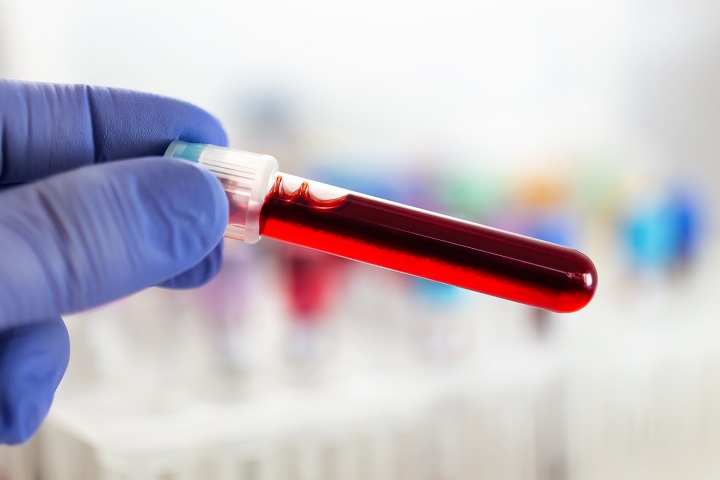
Serology involves taking blood samples to detect antibody levels. It’s a low-cost blood/serum screening service that is particularly useful when there is a large herd or flock. For example, in poultry serology where flocks of over 500 birds are sampled, a set of 60 bloods is usually sampled to give a 95% confidence value, as suggested by the Poultry Health Scheme.
Most serology tests are based on antigen/antibody reactions using a variety of tests. Whilst AGID, HI, SNT, and RSAT/MAT are methods used for poultry screening, ELISA is the go-to method for porcine. This is because it’s rapid, simple to sample for, and only requires 0.5ml of serum for analysis. It’s also cost-effective and can allow for large-scale screening events.
Elisa measures the antibody response in the animal, which is contained in the serum along with the plasma A component. This component contains the antibodies that we test for, which bind with the antigen in the ELISA plate and form a complex that is then bound to the plate. If an animal is under disease challenge, there will be an increase in the antibody response. If it has been vaccinated, then we will see the specific antibodies present ready to fight the pathogen, which will enable a swifter recovery and reduce the effects of the pathogen.
We carry out two types of ELISA tests at Sci-Tech to help screen for and identify different diseases: indirect ELISA, and blocking/competitive ELISA.
Indirect ELISA
Indirect ELISA is used to detect PRRS, M.Hyo, App, PCV2, and HPS.
With this method, the lab will read the plate that is coated with antigen. The amount of antibody present will produce a colour change where, generally, the darker the well, the more antibody present. This will be illustrated by the OD reading. This is then measured using an ELISA calibration curve to create a titre measure, which correlates to the antibody response in the animal.
Indirect ELISA is highly sensitive and has a high level of specificity. It also allows repeatability and reproducibility and is very economical for the customer. However, there is the possibility of some background noise and cross-reaction with the second antibody.
Blocking/competitive ELISA
Blocking/competitive ELISA is used in porcine serology to detect influenza, as well as confirm M.Hyo.
These results are based on the first antibodies produced during infection, which eliminates the possibility of cross-reaction with any other antibodies. This method provides better specificity and offers similar levels of repeatability and reproducibility. However, it is more expensive, and requires longer turnaround times.
Sci-Tech’s UKAS accredited microbiological and serological analysis services cover all aspects of poultry, porcine and gamebird production. To learn more about PCR, the importance of accreditation, and our top tips for taking samples for reliable results, read part two of my blog series here.
To send in your samples for testing, contact us today.
Visit Sci-Tech