


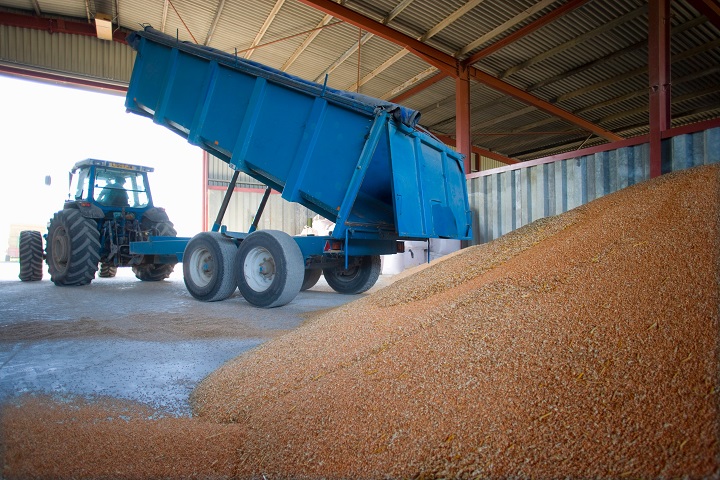
Grain trading and the importance of analysis

NRM
Agriculture
Grain trading is a significant component of the UK’s agricultural sector, with millions of tonnes of wheat, barley and oats traded every year. According to AHDB, the UK’s wheat production alone was approximately 14.1 million tonnes in 2023, while barley and oat production were around 7 million tonnes and 830,000 tonnes respectively.
It’s important for growers and traders to test grain to determine both the nutritional and the market value of their grains. Read on to learn more about what grain traders are looking for, why testing is essential for grain trading, and how NRM can help.
Grain trading: a rough guide of different specifications
When grain trading, certain quality specifications are very important as they directly affect the grain’s value, usability, and marketability. This helps grain traders determine which markets the grain can be sold to, such as feed mills, maltsters, and millers.
Each farmer will have different priorities when it comes to their own grain trading, such as price risk management, on-farm logistics, and flexibility of the end-market specifications. It’s down to grain marketers to guide farmers through this, but to do so most effectively, testing the grain is essential.
There are a few key specifications, including:
Moisture content
This refers to the percentage of water present in the grain. Moisture adds to the weight of the grain, but no buyer wants to pay for water, so higher moisture levels can lead to price penalties. For example, if a farmer sells a tonne of grain that has 20% moisture content, then the buyer will only get 800kg of actual grain. If the grain goes over the agreed moisture specification, claims may be applied to the price per tonne contracted, hence reducing the price paid for that load. However, if the grains are too dry, growers cannot maximise the profitability of the grain they are selling, so a careful balance is required.
Hitting moisture content specifications also ensures the grain is dry enough for storage and processing. Grains with high moisture content are more susceptible to spoilage, mould growth, and insect infestation during storage. So, moisture levels that meet specifications are essential to maintain grain quality over time.
Additionally, in industries like milling or feed production, excessive moisture can affect processing efficiency and the final product quality. For example, too much moisture—or too little moisture for that matter—can make grain difficult to grind or reduce the efficiency of feed conversion in livestock.
In a hot summer, grain may come off the combine at low enough moisture content. If not, then farmers will dry the grain to meet the specification, which can be costly.
What is the typical standard?
The acceptable moisture content of a sample varies by grain type. For example, wheat is typically traded with a moisture content of 15%, but acceptance criteria may change on a year-by-year basis.
Protein content
Protein content measures the percentage of protein in the grain. This is a key quality indicator, particularly for grains like milling wheat, where protein level directly affects end-use performance.
Higher protein levels are needed for good baking quality. This is because higher levels generally correlate with stronger gluten formation, which is essential for bread making. Wheat with a protein content above 13% is preferred for bread-making flour, whilst much lower protein flours may be used for most biscuits and cakes.
What is the typical standard?
Protein content in wheat can range from 10-15%.
Bushel weight
Bushel weight, also known as test or spec weight, measures the density of the grain. This is typically shown as kilograms per hectolitre (kg/hl).
A higher bushel weight generally indicates better grain quality, with grains being more plump, fully matured, and containing fewer empty or damaged kernels. It is a key requirement of specifications, and grains with lower test weights may be penalised, as this suggests lesser quality and/or potential issues such as poor milling yield. Grain will not mill to produce adequate amounts of clean, white flour if it is thin and shrivelled.
What is the typical standard?
The acceptable test weight varies by crop type and by end market. For example, 72kg/hl is often the minimum standard for feed wheat, whilst 76kg/hl is often the minimum standard for milling wheat.
Other specifications
Some other specifications that might be required for different markets include:
- Mycotoxin testing: ensures safety by checking levels of DON (Deoxynivalenol).
- Foreign material: the percentage of non-grain material (such as dirt, stones or chaff) present in the grain. Lower levels are preferred to reduce cleaning costs and improve processing efficiency.
- Hagberg Falling Number (HFN): indicates the grain’s enzymatic activity and suitability for baking. A threshold of 250 seconds is used for bread making wheat. Low Hagberg wheat produces bread with a weak, sticky crumb that cannot be sliced.
- Germination: to ensure the grain will germinate for malting barley.
Why is testing essential for grain trading?
Testing is a critical step in the grain trading process, ensuring that the grain meets the necessary specifications for its intended use. This process is vital for farmers (sellers), merchants, and buyers, as it helps determine the quality, suitability and market value of the grain. Testing is usually managed by the grain merchant whose role it is to recommend the most appropriate ‘home’ for the grain.
The grain is usually tested again when it arrives at the buyer’s premises to ensure it meets the agreed specification. Grain that is outside the specification at intake may either be accepted with a penalty or be rejected. Either way, the farmer will be out of pocket.
Grain trading: why growers should also invest in grain testing
Whilst most grain testing has historically been done by grain merchants and buyers, there are very good reasons why farmers should do it too. Taking grain samples for nutrient analysis when the grain comes off the combine will help growers determine how they are managing nutrients for future adjustments. This valuable data will help them make insightful decisions for next season for greater yields and profitability when they take their grain to market.
Accurate sampling is crucial for reliable results. Good practice for taking a sample for grain trading involves taking a scoop off every trailer load to create a robust subset of that field. This provides a clear picture of the grain’s overall quality, making it easier to market effectively.
So, when a farmer is taking samples for grain trading, it makes sense to take a sample for NRM’s grain analysis service, GrainCheck, at the same time. By taking a sub-sample of the grain trading sample and sending it to us to analyse the macro and micronutrients, growers can obtain a clear picture of their grain’s overall quality.
Understanding macro and micronutrient levels helps farmers optimise crop nutrition for the following year. Applying too much fertiliser can result in nutrient runoff into the environment, and it cuts into profits as they are applying nutrients their crop doesn’t need. On the other hand, applying too little can result in lower yields and increased susceptibility to disease. This comes full circle as a poor-quality crop is likely to produce poor quality grain.
Ultimately, regular monitoring with analytical services like GrainCheck helps farmers make informed decisions and adjust their management plans as needed. This simple but effective tool gives growers all the data they need to improve nutrient management for next season.
How NRM can help
While the testing done by merchants for grain trading focuses on market requirements, detailed nutrient analysis using GrainCheck offers additional benefits by helping farmers optimise their crop management practices. This ultimately leads to better yields and more efficient use of resources, enhancing the overall productivity and profitability of the agricultural sector.
For more information about how you can benefit from the GrainCheck service, contact us or discuss with your agronomist.
References
https://ahdb.org.uk/news/uk-provisional-crop-production-estimates-for-2023-grain-market-daily
https://ahdb.org.uk/cereals-market-outlook
https://www.yara.co.uk/crop-nutrition/wheat/wheat-market-requirements/
Visit NRM