


How to optimise Anaerobic Digestion: a deep dive into the process

NRM
Environment
Anaerobic digestion (AD) is a powerful process that turns waste into energy, offering a sustainable way to manage organic materials and produce renewable energy. Although AD is widely used in agriculture, wastewater treatment, and food processing, maximising the efficiency of plants to optimise anaerobic digestion can be complex.
In this blog, we break down how the AD process works and share practical tips to help companies optimise their operations for improved productivity and profitability.
What is Anaerobic Digestion?
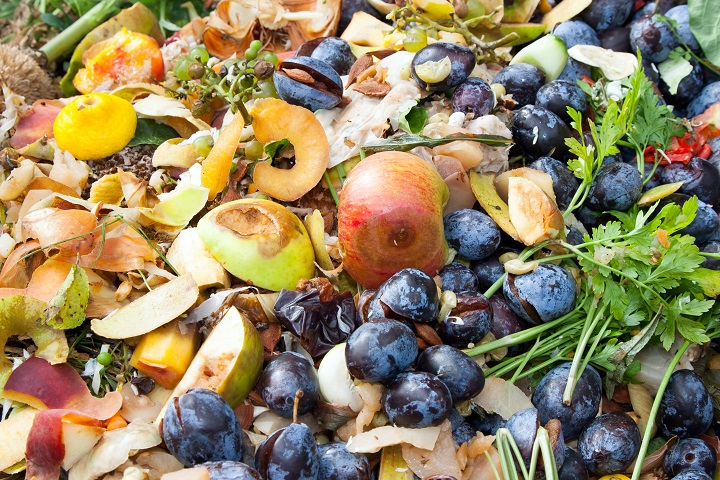
Anaerobic digestion is a natural process in which microorganisms break down organic matter, such as manure, food waste, or wastewater sludge, in an oxygen-free environment. This breakdown produces biogas, a mixture of methane and carbon dioxide, which can be used as a renewable energy source. The leftover material, known as digestate, can be used as a nutrient-rich fertiliser.
The AD process typically occurs in a controlled, sealed environment called a digester. There are four main stages in this process:
- Hydrolysis
Complex organic materials, like carbohydrates, proteins, and fats, are broken down into simpler molecules, such as sugars, amino acids, and fatty acids.
- Acidogenesis
These simpler molecules are further broken down into volatile fatty acids (VFAs) and other intermediates, releasing gases like hydrogen and carbon dioxide.
- Acetogenesis
VFAs are converted into acetic acid, carbon dioxide, and hydrogen by acetogenic bacteria.
- Methanogenesis
Methanogenic bacteria then convert acetic acid, hydrogen, and carbon dioxide into methane and carbon dioxide, forming biogas. This biogas can be used to provide heat, power, or transport fuel.
Why optimise the Anaerobic Digestion process?
Optimising the AD process can lead to higher biogas production, better digester stability, and improved profitability. By monitoring and adjusting key parameters, AD plant operators can:
- Maximise biogas yield
- Reduce processing times
- Enhance digestate quality
- Increase overall plant efficiency.
Key factors to help optimise Anaerobic Digestion
- Feedstock characteristics
- A balanced ratio of carbohydrates, proteins, and lipids is essential.
- Excessive lipids can cause floating scum, while too much protein may lead to ammonia inhibition.
- C:N ratio at 20:1 to 30:1 for optimal microbial activity.
- Smaller particles increase surface area for microbial activity, improving digestion efficiency.
- Temperature control
- Mesophilic (35-40°C) and thermophilic (50-55°C) conditions are most effective.
- Thermophilic digestion has higher biogas yield but requires more energy and has a higher risk of instability.
- Consistent temperature is crucial as fluctuations can disrupt microbial activity.
- pH and alkalinity
- The optimal pH is 6.5 to 7.5 for methanogenic bacteria.
- Maintaining alkalinity prevents pH drops due to volatile fatty acid (VFA) accumulation.
- Alkalinity can be maintained by adding buffering agents like sodium bicarbonate or lime.
- Retention time (HRT & SRT)
- Hydraulic Retention Time (HRT) is the duration the feedstock remains in the digester (usually 15-30 days).
- Solid Retention Time (SRT) is the period solids remain in the system (should be greater than HRT for optimal microbial degradation).
- Organic Loading Rate (OLR)
- The amount of organic material fed per unit digester volume per day (kg VS/m³/day).
- Overloading can lead to acidification and process failure.
- Optimal OLR depends on digester type (e.g., wet AD systems handle lower OLR than dry AD).
- Mixing and agitation
- Ensures uniform distribution of microorganisms, substrate, and heat.
- Prevents scum formation and dead zones.
- Over-mixing can cause shear stress on microbes, so an optimal level of agitation is necessary.
- Inhibitor management
- Ammonia (NH₃): Can become toxic at high concentrations (>3,000 mg/L).
- Sulphur (H₂S): Can inhibit methanogens and corrode equipment.
- Heavy metals: Some metals (Cu, Zn, Pb) can be toxic in high concentrations.
- Oxygen intrusion: Anaerobic digestion must be maintained in strictly anoxic conditions.
- Microbial community balance
- Bioaugmentation (adding specialised microbial cultures) can help in process stability.
- Digester type and design
- Continuous Stirred Tank Reactor (CSTR): Common for liquid substrates.
- Plug Flow Digester: Suitable for high-solid feedstocks.
- Upflow Anaerobic Sludge Blanket (UASB): Best for wastewater treatment.
- Gas management and utilisation
- Efficient biogas collection, purification (removal of CO₂, H₂S), and storage.
- Utilisation of biogas for energy generation (CHP units, boilers) or biomethane upgrading for grid injection.
How NRM can support your AD operation
At NRM, we offer a comprehensive suite of AD analysis services to support AD optimization. Our expert team helps clients make data-driven decisions to enhance productivity and profitability.
Our services include:
1. Feedstock suitability analysis
Different feedstocks have varying biogas potentials, and not all feedstocks are equally effective. For instance, high-fat food waste yields more energy than some agricultural residues.
NRM Top Tip #1: Regularly assess your feedstock to optimise biogas production and improve productivity.

2. Process monitoring
Maintaining a stable digestion process is crucial for maximising biogas production and ensuring compliance with regulations like the Industrial Emissions Directive (IED).
Key parameters to monitor include:
- pH (6.5 – 7.5)
- Ammonia levels
- FOS/TAC ratio for digester stability.
NRM Top Tip #2: regular AD analysis can help identify and address potential issues before they affect biogas production.
3. Biomethane Potential (BMP) testing
BMP testing estimates how much biogas a given feedstock can produce. This information allows plant operators to make informed decisions about feedstock selection and optimise plant operations.
NRM Top Tip #3: use BMP testing to evaluate and prioritise feedstocks with the highest biogas potential.
4. Residual Biogas Potential (RBP) testing
Measures the remaining biogas potential (energy) in treated sludge. This helps AD plants comply with regulations and maximise resource recovery.
NRM Top Tip #4: regular RBP testing supports process efficiency and adherence to environmental standards.
Ready to optimise your AD plant?
Maximising the efficiency of your AD process starts with understanding your feedstock and monitoring key parameters. Our team at NRM is here to help you every step of the way.
Contact us at enquiries@nrm.uk.com to learn more about our AD analysis services or to book your sample testing today.
Visit NRM