


Concerned about grass and milk mineral levels this breeding season? Here’s what you can do

IAS
Agriculture
The recent sunny weather across Ireland might lift spirits for most, but for many dairy and beef farmers, it adds new complexity to an already challenging season. Especially when it comes to grass and milk mineral levels.
With unpredictable weather conditions over the last year, we’re sure you’re working hard to maintain herd health, fertility, and productivity, and to keep profitability on track. This includes monitoring grass and milk mineral levels ahead of the breeding season.
Here’s what’s going on with the weather, how mineral deficiencies affect herd performance, what steps you can take now to maintain animal health, keep your cows in peak condition, and how IAS Laboratories, part of Cawood, can help.
Weather warnings: what farmers are dealing with
Last year’s warm autumn and dry spells allowed extended grazing into winter. While that saved on forage and labour at the time, and many saw a fantastic end to the growing season, it’s come at a cost.
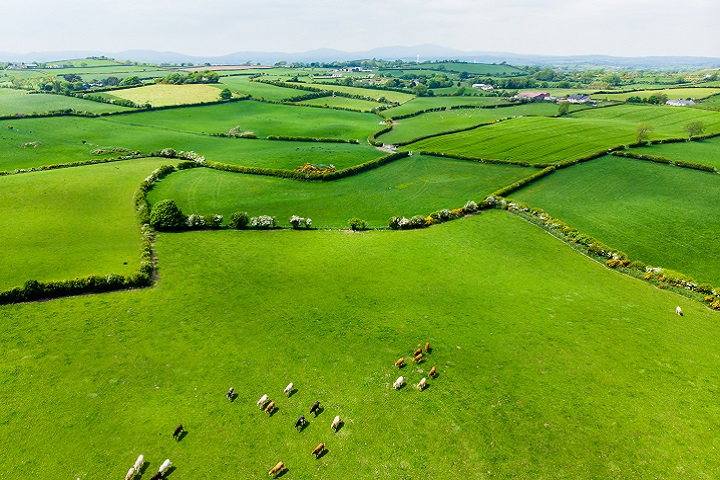
Spring growth is lagging behind. The run of sunny days and cold nights has slowed early-season grass growth, and more rain is needed to kickstart pastures for grazing and silage. Recent reports indicate that many of you are experiencing challenges due to erratic weather patterns, including above average warmer temperatures and unpredictable rainfall. These conditions can lead to issues such as flash flooding, soil surface run off, and drought, which can adversely affect grass growth and quality.
To make matters worse, 70% of Irish grass samples are currently low or deficient in copper, magnesium, and iodine—vital minerals for fertility and herd health.
Excessive heat and reduced rainfall negatively impact grass growth and its quality, leading to decreased productivity. Climate change brings more erratic weather conditions, so early planning and building resilience into our farming systems is essential.
Why grass and milk mineral levels matter: breeding and dry stock health
As we know, nutrition is a cornerstone of a successful breeding cycle, and minerals play a vital role. For example, essential trace elements like copper, iodine, zinc, and selenium help support heat expression, immune function, and conception rates. Selenium specifically drives optimal fertility rates as it helps foster a healthy immune system and womb environment.
Deficiencies in these minerals can lead to:
- Silent heats or anoestrous behaviour (copper, iodine, and manganese)
- Fertility problems, including poor ovulation and lower conception rates (phosphorus and selenium)
- Higher rates of uterine infections and retained placenta
- Increased services per conception.
If you’re managing dry stock for eventual breeding or sale, deficiencies in magnesium, phosphorus, or calcium can:
- Slow weight gain
- Reduce muscle development
- Lead to poor coat condition and energy levels.
Imbalances caused by excess molybdenum, iron, or aluminium can also block mineral absorption within the animal. That’s why it’s not enough to just add minerals—you need to know what’s missing and what’s interfering.
How to ensure your cows get what they need: grass and mineral profiling analysis
In Ireland’s grass-based livestock farming systems, timing is everything. A short, effective breeding season, with the maximum number of cows conceiving can maximise profitability, but only if cows are in the right nutritional condition.
Too little nutrition—that is, calving too early—can result in a loss of condition and reduced re-conception rates due to limited grazing opportunities earlier in the season. Too much nutrition later on can cause calves with high birthweights, increasing the risk of dystocia (calving difficulty).
Here’s how you can take control: laboratory analysis.
It’s essential to test the nutritional value of fresh and conserved grass through an accredited lab. Analysis helps you spot nutrient deficiencies early and adjust diets to meet your herd’s needs. This supports animal health, boosts productivity, and sets you up for a more successful breeding season—while also helping you manage costs in the face of rising or unpredictable feed and fertiliser prices.
1. Pre-cut silage test
At IAS, our pre-cut silage grass test measures the mineral levels in the grass before it’s cut for silage. This will help you avoid poor-quality silage that impacts animal performance later in the year.
This analysis can also be used to estimate the best time to cut your grass for silage, including a forecast of how many days you might be away from cutting. If sugar and nitrate levels are low, then you know the grass is not the best quality, and cutting should be delayed. This will help you make the very best management decisions for your farm business.
2. Grass mineral scan
This service tests fresh grass and silage for major and trace mineral levels. This helps you pinpoint any deficiencies or imbalances and decide if additional supplements or concentrates are required.
3. Milk profiling analysis
Pair your grass mineral scan with our milk profiling analysis service to get a complete picture. Bulk milk testing gives you a herd-wide mineral profile. It’s a convenient way to monitor overall mineral status and check that your mineral nutrition programme is working, before deficiencies start affecting fertility or health. This means you can supplement the ration if required.
How IAS can help with grass and milk mineral levels
With the breeding season underway, now is the time to make informed management decisions using accurate, reliable data.
At IAS, we have been helping Irish farmers like you improve herd health and productivity for more than 25 years. Our pre-cut silage testing, grass mineral scans, and bulk milk mineral profiling analytical services will give you a full picture of your herd’s nutritional status. Take targeted action that boosts fertility and productivity today.
For more information and to receive your free analysis kits, contact us.
References
https://www.oireachtas.ie/en/debates/debate/dail/2024-04-24/12/