


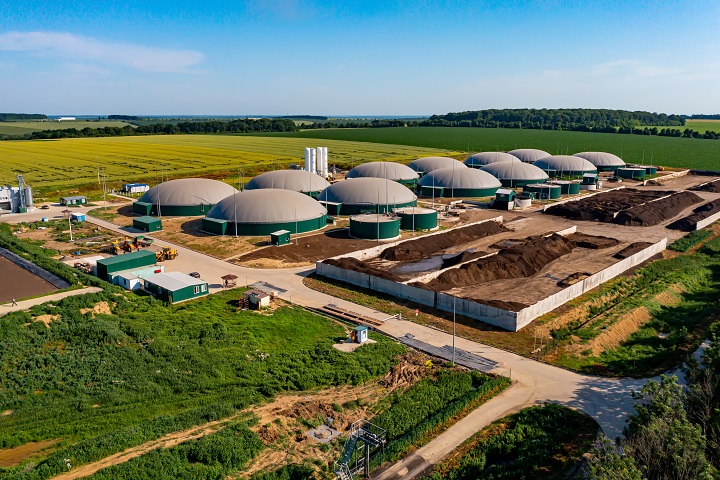
Understanding changing sludge analysis requirements for AD plants

NRM
Agriculture
Environment
The world of anaerobic digestion (AD) is evolving, and with it, sludge analysis requirements. If you’re in the water, sewerage, or renewable energy sectors, it’s time to familiarise yourself with how these changes could impact your operations.
A key area of focus is the Industrial Emissions Directive (IED), with new requirements for Residual Biogas Potential (RBP) testing coming into effect on 31st March 2025. Whether you’re a water company managing sludge or an AD plant owner seeking optimal productivity, understanding these changes is crucial to maintaining compliance and maximising profitability.
Sludge analysis requirements: why does it matter?
AD plants use a range of organic materials known as feedstocks to produce biogas. In the UK, this means either waste derived and segregated waste food, energy crops, or agri waste, including biodegradable animal matter, food and drink waste, processing residues, agricultural residues, crops, or sewage sludge.
This biogas is used to produce:
- Electricity (via combustion engines or turbines)
- Heat (captured from combustion)
- Biofuel (for transport or grid injection)
Not only do AD plants help to significantly reduce greenhouse gas emissions by capturing methane for energy use and reducing reliance on fossil fuels, but the by-product of the AD process, digestate, is a nutrient-rich material that can be used as fertiliser. This helps enhance soil health and support sustainable farming practices.
Residual Biogas Potential (RBP) testing helps ensure that the anaerobic digestion process is stable and that the treated sludge has been fully utilised for biogas production. Compliance with legislation not only ensures you meet regulatory requirements but also provides valuable insights into the health of your AD process, which can lead to optimised biogas production and improved profitability.
Feedstock suitability analysis and process monitoring will now play a more significant role than ever in helping plants meet these standards. By understanding the potential of your sludge and other feedstocks, you can make data-driven decisions that boost plant performance and revenue.
Sludge analysis requirements and the IED: what’s changed?
The IED requires that facilities that treat sewage sludge apply for environmental permits to help reduce emissions and safeguard the environment. This includes all AD facilities. Whilst wastewater treatment and AD of sewage sludge are not currently regulated for methane emissions, it has been confirmed that, by 31st March 2025, these facilities will need to demonstrate compliance.
The forthcoming changes to the IED will result in increased testing requirements for RBP in treated sludge. To obtain your permit, you’ll need to showcase the stability of your digesters and assess the remaining biogas potential within your sludge. If you already have a permit from the Environment Agency, you may need to meet these compliance requirements even earlier than 31st March 2025.
To ensure compliance with the new IED requirements, it’s vital to start planning your RBP testing now. Our team at NRM is here to support you every step of the way, from sample submission to providing detailed analysis reports that help you optimise your process and meet regulatory standards.
How we can help you meet sludge analysis requirements
NRM is ready to assist you in navigating these changes. We are one of only two laboratories in the UK approved to test to PAS110 digestate quality specifications.
In response to the changing regulations, we’ve recently invested in five new bioreactors, increasing our total capacity to over 40. This means faster turnaround times and greater capacity to support you in meeting compliance.
Our comprehensive services include:
- Feedstock suitability analysis: From basic characterisation to microbial inhibition, we provide insights into the best feedstock for your AD plant.
- Biomethane Potential (BMP) analysis: We simulate the AD process in our dedicated lab to determine the volume of biogas produced over 14, 28, or 40-day periods.
- Residual Biogas Potential (RBP) testing: A 28-day test that ensures compliance with the IED changes, helping you obtain or maintain your permit.
- PAS110 & Anaerobic Digestate Quality Protocol (ADQP) full assessment: An assessment covering nutrient, contaminant, and pathogen levels to maintain digestate quality.
- Process analysis: Includes pH, ammonium, FOS/TAC ratio, volatile fatty acid (VFA) speciation, and potentially toxic elements (PTEs) trace elements to monitor the overall health of your AD plant.
Why choose NRM
- Extensive expertise: We are an approved REAL laboratory for PAS110 testing.
- State-of-the-art facilities: With our recent investment in new bioreactors, we offer the fastest turnaround times to fit your needs.
- Comprehensive support: Our experienced team of scientists and technicians can guide you through the analysis process, providing insights tailored to your plant’s requirements.
Get started today
Don’t wait until the last minute to meet the upcoming regulatory changes. Start your RBP testing now to ensure a smooth transition into compliance with the new IED requirements.
Contact us to learn more about our AD analysis services and how we can help you maintain compliance and optimise your plant’s productivity. To book your samples for testing, get in touch with us at enquiries@nrm.uk.com.
Stay tuned for more insights into the AD process! In my next expert blog, we’ll dive deeper into how you can optimise your AD operations for maximum profitability.
Visit NRM