


Zinc oxide in pig diets: how analysis helps you comply

Sciantec
Agriculture
Including zinc oxide in pig diets has been a widespread practice in the livestock industry for decades. Its high antimicrobial potency and benefits in promoting piglet health made it a popular additive. However, due to environmental concerns and evolving regulations, its use has become increasingly restricted.
In fact, zinc oxide (ZnO) has been banned from pig diets in line with regulations set by the European Union (EU) in the summer of 2022. Whilst the UK Veterinary Medicines Directorate (VMD) granted an extension in the UK, allowing the industry to use up any product purchased before the authorisation expired in June 2022, it’s now banned across the EU and the UK.
This blog explores why zinc oxide has been banned, why zinc oxide was used previously in pig diets, what farmers can do instead, and how Sciantec’s nutritional analysis services can help the industry with regulations.
Why was zinc oxide banned from pig diets?
While zinc oxide offered clear benefits, its environmental implications have become impossible to ignore. High levels of zinc in animal manure contribute to soil and water contamination when spread as fertiliser, for example, leading to potential toxicity for plants, animals, and aquatic ecosystems.
Key reasons for banning zinc oxide in pig diets include:
- Antimicrobial resistance: overuse of zinc oxide has been linked to the development of antibiotic-resistant bacterial strains.
- Sustainability pressures: governments and industry bodies are focusing on sustainable livestock practices, urging alternatives to potentially harmful additives.
- Environmental pollution.
Excess zinc from pig slurry and manure waste can accumulate in soil and runoff into water sources, disrupting microbial balance and posing risks to surrounding ecosystems. For example, zinc oxide nanoparticles have been classified as “extremely toxic” to aquatic organisms such as algae, crustaceans, and fish. Whilst toxicological responses varied depending on differences in susceptibility and variations in conditions such as pH, temperature, and duration of exposure, it’s important to limit zinc oxide exposure to help maintain biodiversity and ecology.
Additionally, supplementing pig diets with ZnO has been linked to the development of antibiotic-resistant bacterial strains (by finding more resistant strains of E. coli bacteria in the pigs’ gut and manure) makes it harder to treat the animals when required. This raises important livestock, food safety, and public health concerns.
With these restrictions, many livestock farmers and animal feed manufacturers are now wondering how they can ensure pigs are getting all they need to thrive.
Why was zinc oxide used in pig diets?
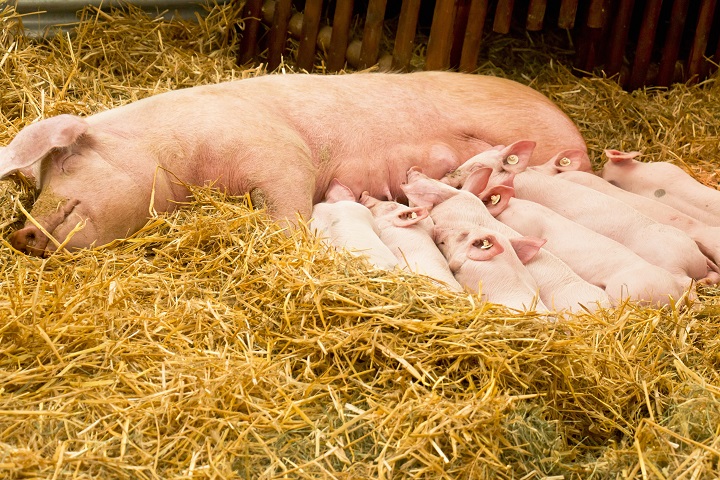
Zinc oxide has long been valued in pig nutrition, particularly for its benefits during the piglet weaning phase. Its antimicrobial properties help manage post-weaning diarrhoea (PWD), a common issue caused by stress, dietary changes, and opportunistic pathogens like Escherichia coli.
The addition of zinc oxide improves gut health by reducing harmful bacteria levels, boosts productivity and growth by limiting the impact of gut-related illnesses and helping piglets grow faster, and providing a low-cost dietary solution for livestock farms.
However, despite these advantages, the long-term environmental impact of using zinc oxide led to concerns about its sustainability.
So, what can be done?
How can livestock farmers keep piglets healthy without zinc oxide?
The challenge is to provide livestock farmers with pig feed that they can trust will give their animals the nutritional, healthy diets that they need to ensure optimal productivity.
Animal feed manufacturers can:
- Select raw materials for their feed that are easily digestible for piglets
- Provide functional supplements to improve intestinal health
- Provide alternative additives to prevent intestinal disorders.
Livestock farmers can also increase hygiene and improve on-farm management.
This will all help to reduce the likelihood of post-weaning diarrhoea in piglets and help the animals grow quickly and efficiently.
How Sciantec can help: robust nutritional analysis
Sciantec is here to help.
With over 30 years’ expertise in animal feed analysis and extensive experience in the agriculture sector, Sciantec carries out reliable, accurate nutritional analysis of animal feeds, raw materials, ingredients, and supplements, including zinc as standard. This will help animal feed producers to develop feed that is beneficial to pigs without relying on zinc oxide.
Our comprehensive analytical services help feed manufacturers comply with GMP+, UFAS, and FEMAS quality assurance schemes.
For more information or to book, contact us.
References
Removing zinc oxide from pig diets
Visit Sciantec