


Sci-Tech has officially received an Extension to Scope for ISO/IEC 17025:2017 accreditation from UKAS for its in-house procedure designed to detect antibodies against Mycoplasma gallisepticum (Mg) in gamebirds. The approval marks a significant milestone for both the business and the industry, as it provides a reliable, scientifically validated method for the detection of this important pathogen in gamebirds.
‘Although there are commercial ELISA kits available for testing chicken and turkey sera for Mg antibodies, no-one else had previously attempted to validate a procedure for gamebirds,’ said Allen German, Technical & Compliance Manager at Sci-Tech. ‘The project required additional work by myself and the team to set acceptable test limits and ensure the test would delivery accurate, consistent results for our customers. We knew how important this validation was for the industry, so we were determined to make it happen—and we have the expertise to see it through.’
Gamebirds have a less well-characterised immune response than commercial poultry like chickens. This means that their immune systems may be slower to react to pathogens like Mg. While chickens typically show detectable antibodies 2-3 weeks post-infection or vaccination, in some gamebird species it can take 3-5 weeks or even longer. This delay can lead to false negatives in serological testing if conducted too early.
‘Mycoplasma gallisepticum is a persistent and potentially devastating pathogen for game farms,’ Allen explained. ‘Once infected, game birds remain carriers for life, silently spreading the disease to other birds, including their eggs, and posing a significant risk to the overall health of the flock. Mg also damages the birds’ airways, making them more vulnerable to other infections, which leads to underdeveloped growth and additional veterinary expenses. Early detection, as well as confirming presence of Mg antibodies in vaccinated birds, is crucial to prevent the long-term economic and health impact that can arise from undiagnosed outbreaks.’
Additionally, having an accredited testing procedure provides critical support for game farms aiming to meet export requirements. Many international markets, regions, and customers require proof that birds are free from Mg before allowing export. Without reliable testing, farmers risk not being able to guarantee the health of their flocks, potentially blocking sales and causing significant losses.
‘This Extension to Scope isn’t just about advancing our expertise at Sci-Tech: it’s about improving the health and productivity of the entire gamebird industry,’ Allen said. ‘Our team has worked tirelessly to validate this procedure and meet the rigorous standards set by UKAS. The extension of our scope means that gamebird farms now have access to a method of testing that has been fully accredited and proven to work, providing a level of confidence that was previously unavailable. Ultimately, by providing reliable and scientifically validated testing, we are helping farms manage disease risks, improve animal welfare, and ensure they meet the necessary standards for export.’
For more details on our veterinary diagnostics services, contact us.

Following impressive feedback on its first BASIS Classroom course on analysis of soil nutrients, NRM has continued the series with a module on soil carbon, livestock manure, and slurry. Available to all BASIS registered agronomists and FACTS qualified advisors, the laboratory analysis series has been created by NRM’s expert agronomists to help advisers and farmers move beyond basic soil nutrient analysis and gain a deeper understanding of soil health and nutrient management planning.
Module 2, “Soil Carbon, Livestock Manure, and Slurry”, is live on BASIS Classroom now and earns 2 BASIS points for every completion. The BASIS CPD year closes at the end of May, so this is an ideal time to catch up on any outstanding points requirement.
‘Organic materials and carbon play a vital role in soil health,’ said Dr Sajjad Awan, Soil & Crop Nutrition Agronomist at NRM and co-author of the course. ‘Taking care of soil organic matter (SOM) and soil organic carbon (SOC) through careful management and regular analysis helps improve the functioning of our ecosystems, increase the soil’s capacity to produce food, and protect water and air from pollutants. To help farmers manage levels effectively and efficiently, part 2 of our course on understanding laboratory analysis data focuses on SOM, SOC, and the analysis of livestock manures and slurries, providing the skills needed to interpret lab results and apply them in practical nutrient planning.’
BASIS reports that the statistics from module 1, “Laboratory Analysis 1: Soil Nutrients”, were outstanding, with 97% of candidates who had taken the course stating that it was either good or excellent.
‘97% of candidates said they would find the information from module 1 of NRM’s course useful when working in a practical context. This is exactly what we hope for, as this is what these courses and BASIS Classroom are all about,’ said Thomas Vaughan, Commercial Manager & Environment Lead at BASIS. ‘Additionally, of this number, 68% reported that the course was excellent—anything above 50% for this measure is impressive. From a BASIS perspective, this sponsored course has been very well received by our membership, particularly among those holding a FACTS qualification. The positive feedback was recently acknowledged at a FACTS committee meeting, highlighting its value and relevance to the industry.’
“Laboratory Analysis 2: Soil Carbon, Livestock Manure, and Slurry” is available exclusively for BASIS members as part of BASIS Classroom, and will be available for 12 months. Participants who complete the 30 minute course will earn two CPD points, enhancing their expertise and helping maintain professional credentials.

It is with deep sadness that we announce the death of Zoe Farrington, a valued colleague and friend, who passed away on Wednesday 16th April.
Zoe joined Chemtech as Commercial Director in 2018 after a successful career in marketing. She positioned Chemtech into a niche corner of the environmental testing market, focussing on fast turnaround analysis. Her astute commercial acumen and direct and honest approach to sales resulted in revenue growth of ~130% during her seven-year tenure. Her marketing expertise also helped the business, with a full rebrand that included the creation of “Ken Tech”, the orange company mascot, beloved by customers and colleagues alike.
Whilst Zoe was employed in a commercial role, her impact was very much felt across the wider business as she worked to create an outstanding work environment for her colleagues, starting with organising leadership training for the management team. Zoe went on to introduce a more robust recruitment process, regular 1-2-1s and the use of psychometric testing, both to assist with talent selection and as a tool for coaching. She was always keen to get involved in any aspect of the business, whether it be securing grants, project managing LIMS development and funding for new equipment, or spending a short period of time managing the Sample Receipt department.
In 2021, John and Karan Campbell sold Chemtech Environmental to Cawood Scientific and alongside Ryan Wetherell, Will Fardon and Helen Oliver, Zoe helped guide the organisation successfully through a period of significant change. In 2024, Zoe was promoted to Commercial Director of the Environment Division, extending her remit to include the Marchwood Scientific businesses. Whilst working in this role, Zoe aligned the commercial processes across the division and upskilled the sales team to cross-sell into other laboratories in group.
Those who worked closely with Zoe will miss her unconditional kindness, brutal honesty, and tenacity. Colleagues would describe her as the kind of person you would want to fight your corner, whilst expecting her to hold you accountable for your actions.
Whilst our thoughts are with Zoe’s family and friends at this time, I’d also like to take this time to thank you all in advance for your continued support of our colleagues at Chemtech, in addition to those whom Zoe worked closely with across the Cawood group. We will share the details of Zoe’s funeral arrangements in due course.

The overwhelming importance of sulphur management in optimal crop production was a key takeaway from NRM and Rothamsted’s recent webinar, “Optimising sulphur nutrition to maximise yield and quality”.
“We all recognise nitrogen, phosphorus, and potassium as the three major nutrients essential in helping our crops get everything they need to thrive. However, to my mind, sulphur is the second most important nutrient you should be considering when it comes to fertilisers and crop nutrition—just behind the big one, nitrogen,” said Professor Steve McGrath, Discovery Leader at Rothamsted Research. “Our research trials have demonstrated that sulphur deficiency impairs plant metabolism, reduces protein synthesis, and suppresses nitrate uptake, and therefore nitrogen utilisation efficiency. This means that expensive nitrogen is lost due to sulphur deficiency, and most likely a lot of other key nutrients because of poor root growth.”
According to Professor McGrath, routine sulphur fertiliser applications are needed to maintain crop yield and quality in the UK. However, as sulphur has minimal residual effect, it’s best to apply every year. He also noted that, while organic manures contain sulphur, they often don’t provide enough available sulphur to meet crop requirements. Sulphate is the central factor in ensuring optimal levels, as this is the form of sulphur that is available for crops to take up. Plants cannot take up elemental sulphur, as it needs to be oxidised in the soil to be available to the crop.
These findings were reinforced by NRM’s data, which highlights the importance of regular soil analysis to ensure that nutrient levels are sufficient to support crop performance.
“When analysing our data, we were truly surprised at how critical the situation has become around sulphur in the UK,” said Dr Sajjad Awan, Soil & Crop Nutrition Agronomist at NRM. “For example, around 15% of the 7,000 soil samples we received in the lab from 2021 to 2023 were found to have far less available sulphur than what is required for optimal crop yield. This was supported by our plant tissue data from 2023, where we saw that higher nitrogen concentrations in the samples did not result in higher yields compared with 2022, as one might expect.
“What’s the likely reason? It turns out that deficient sulphur levels in these plant tissue samples may have stifled yield. So, simply applying nitrogen may not always be the answer—sometimes, it’s a matter of making sure the sulphur is there to help make sure nitrogen is efficiently used by the crop.”
The webinar, held on Wednesday 19th February 2025, attracted attendees from across the agricultural industry. It featured engaging discussions, an interactive Q&A session, and valuable expert recommendations.
“It’s important to remember that analysis is crucial in diagnosing issues accurately for insightful management decisions,” Dr Awan concluded. “Sulphur has become deficient across the board, and I’d say grain analysis is a must to help you adjust plans for the following season as a ‘post-mortem’ of your nutrient management plan.”
Dr Awan also highlighted the role of climate variability in nutrient management: “Some years we have very dry periods, where applied fertiliser isn’t effectively incorporated into the soil, while in others—like recently—wet and cold Springs compromise nutrient availability. My advice is to analyse all year round to make sure your crops are where they should be, so you can make adjustments quickly as needed.”
Key takeaways from the webinar include:
- Sulphur deficiency in UK soils has become widespread
- Sulphur is the second most critical nutrient after nitrogen for crop production
- Different crops have different sulphur requirements, and need to be considered individual for optimal growth
- Climate variability requires a more adaptive approach to sulphur management
- Year-round soil, tissue, and grain analysis is vital in tracking sulphur levels, adjusting fertiliser plans effectively, and better managing crop productivity.
For those who missed the live session, you can watch the full webinar recording here.
Stay tuned for more events and insights, and thank you to all who attended and contributed to this successful webinar!
Our recent webinar, “Optimising sulphur nutrition to maximise yield and quality”, was a resounding success, attracting 125 attendees from across the agricultural industry. Hosted by experts from NRM and Rothamsted Research on 19th February, this informative session provided crucial insights into improving crop production through effective sulphur management.
Key highlights include:
- Expert presentations from Dr Sajjad Awan and Professor Steve McGrath, who shared fantastic insights on optimising sulphur nutrition for improved crop yields.
- An interactive Q&A session, where attendees engaged with our experts, asking 21 insightful questions about sulphur application, nutrient deficiencies, and best practices.
- A strong industry response, with many attendees submitting their BASIS details to receive 1 CPD point for their participation.
- All answered and unanswered questions from the webinar have been compiled and will be published to ensure the entire agricultural community benefits from the discussion.
For those who missed the live session, you can watch the full webinar recording here.
‘We are thrilled with the level of engagement and interest in this important topic,’ said Sophie Cath, Senior Business Development Manager at NRM. ‘The webinar highlighted the potential issues that can arise from neglecting nutrients like sulphur, and gave practical advice and innovative strategies for raising sulphur levels and optimising crop nutrition. Our experts also discussed the latest research on sulphur and its impact on agriculture as a whole before answering specific questions from our attendees.
‘The discussion on sulphur nutrition in crop production is crucial for sustainable farming, and we are committed to sharing this knowledge with the wider industry.’
We have also published blogs around the webinar in case you missed any of our insights, including:
- Sulphur nutrition: the hidden key to crop success?
- Optimising sulphur nutrition: key takeaways from the NRM/Rothamsted webinar
- Sulphur webinar: bonus Q&A from the NRM/Rothamsted webinar
Stay tuned for more events and insights sulphur nutrition in crop production, and thank you to all who attended and contributed to this successful webinar!

Marchwood has expanded its occupational hygiene analytical services to include ultra-low level hexavalent chromium (CrVl) monitoring. This comprehensive service is critical for helping employers and occupational hygienists protect workers and adhere to stringent requirements.
‘Exposure to hexavalent chromium has been linked to severe health conditions, including lung cancer, asthma, bronchitis, and damage to the nasal cavity, skin, and eyes,’ said Jenny Wraith, Business Development Manager at Marchwood. ‘With this in mind, protecting workers and complying with the stringent requirements of EU Directive 2004/37 is absolutely critical. To do this, employers must conduct regular monitoring to assess exposure levels and implement necessary safety measures. At Marchwood, we can help.’
Marchwood has invested in new instrumentation to help monitor CrVl exposure to ultra-low levels, including a contemporary Ion Chromatography system. Its comprehensive service adheres to BS ISO 16740:2005 standards, and includes pre-treated filters for sampling and analytical reporting with a limit of detection (LOD) of 0.01μg (equivalent to 0.02μg/m³ for a 480L sample). Marchwood also offers flexible turnaround options, including a standard 10-working-day service and a 5 day fast-track option at an additional cost.
‘Our new equipment for our CrVl service allows us to deliver the most effective and accurate CrVl monitoring,’ continued Wraith. ‘The customer takes the sample in the worker’s breathing zone to help evaluate the extent of exposure throughout a work shift. Samples are collected on pre-treated filters and analysed using ion chromatography, with LODs designed to measure concentrations as low as <1 μg/m³, or even 0.025 μg/m³ when technically possible.’
CrVl compounds are widely used in the chemical industry for pigments, metal plating, and chemical synthesis, posing significant health risks to workers. These compounds can also be inadvertently produced during welding operations, even when chromium exists in a different valence state initially.
‘At Cawood, our commitment to continuous improvement drives us to invest in the latest instrumentation and technology,’ said Pete Allen, General Manager at Marchwood. ‘One of our priorities is to position ourselves in the best place to help our clients protect their people and adhere to environmental and occupational regulations. Ultimately, by providing accurate and reliable data like this, we are helping to support a safer, healthier planet.’
For more information on our services, contact us.
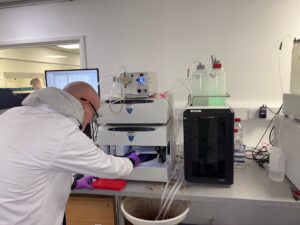
NRM has launched an innovative online course developed in partnership with BASIS. This BASIS Classroom course, entitled ‘Laboratory Analysis 1: Soil Nutrients’ and written by NRM’s expert agronomists, is the first in a two-part series designed to provide agricultural advisors with a comprehensive understanding of soil analysis.
‘Soil analysis plays a vital role in agriculture, land management, and environmental monitoring,’ said Dr Sajjad Awan, Soil & Crop Nutrition Agronomist at NRM and co-author of the course. ‘It offers critical insights that inform fertilisation strategies, crop production, and sustainable land use. The programme is structured to guide participants through key aspects of soil nutrient analysis. The course explores sample quality and the importance of precise sampling for accurate and reliable results, then moves on to explaining units of measurement and the interpretation of laboratory nutrient results. The final section describes the laboratory process itself, from sample preparation to reporting results, offering a behind-the-scenes look at how nutrients are measured.’
‘Understanding soil nutrients is fundamental to making informed decisions to better manage crops and soils. This course provides a solid foundation for those seeking to enhance their expertise in laboratory analysis interpretation,’ continued Dr Awan. This first instalment lays the groundwork for more advanced learning opportunities and supplies agronomists and advisors with the knowledge and tools necessary to interpret soil nutrient data more confidently—whilst earning two Continuing Professional Development (CPD) points towards their BASIS qualification.’
“Laboratory Analysis 1: Soil Nutrients” is available exclusively for BASIS members as part of BASIS Classroom, and will be available for 12 months. Participants who complete the 30 minute course will earn two CPD points, enhancing their expertise and helping maintain professional credentials. Part two of the course will be available soon, which will focus on soil carbon and organic matter analysis.
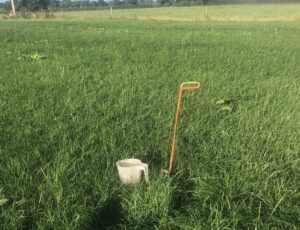
Agronomists, growers, and other agricultural industry professionals are invited to a critical webinar on Wednesday 19th February titled “Optimising sulphur nutrition to maximise yield and quality”. Participants will receive 1 BASIS point for attending and learning more about optimising sulphur nutrition if they are BASIS members.
19th February 2025 at 12pm-1pm GMT
Register here now to secure your space.
Sulphur is often overlooked in agriculture. Now, it’s becoming recognised as an essential nutrient—just as important as nitrogen—required for nitrogen uptake, improved crop quality, and boosted yields. Despite this, winter wheat tissue and grain analysis from the past few years have shown that a significant proportion of samples were deficient in sulphur. Why? And how can we make impactful changes for optimal crop production using key data insights?
Hosted by experts from NRM, the UK’s leading agricultural analysis laboratory, and Rothamsted Research, a renowned agricultural science research centre, this free virtual event focuses on the importance of sulphur in boosting crop production and for effective nutrient management, as well as a deep dive into the latest data insights.
With perspectives from agronomists and discovery leaders, this webinar is essential viewing for anyone in agriculture, from farmers to advisors to change makers.
“This webinar will bring together leading experts to help farmers understand how neglecting nutrients like sulphur can adversely impact nutrient availability and plant health,’ said Sophie Cath, Senior Business Development Manager at NRM. ‘With last year’s extreme wet conditions and ongoing weather challenges across the UK, sulphur deficiencies—particularly in cereal and oilseed crops—are becoming a growing concern. Farmers must reassess their nutrient management strategies with this vital nutrient to make sure their crops are getting all they need to thrive.’
Sophie will be joined by a panel of agricultural experts, including:
- Professor Steve McGrath, Discovery Leader at Rothamsted Research
- Dr Sajjad Awan, Soil & Crop Nutrition Agronomist at NRM
- Alli Arden, Agronomy Manager at NRM
Participants will have the opportunity to engage with our speakers, gaining practical insights and innovative strategies for optimising sulphur nutrition. A live Q&A session will also give attendees the opportunity to question our experts.
Event details:
Title: Optimising sulphur nutrition to maximise yield and quality
Date: Wednesday 19th February
Time: 12pm-1pm GMT
Platform: Microsoft Teams
BASIS points: 1
Registration: https://events.teams.microsoft.com/event/9b1771bf-062f-4444-83b7-f8fef1b9ab3f@c62ca484-12b2-491a-87a0-20aa679424ce
Our webinar is open to anyone interested in sulphur nutrition and agricultural data insights. Early registration is encouraged to reserve your space.

For the first time, IAS Laboratories has published an annual soil summary report for 2023-2024, compiling data from thousands of soil samples across Ireland. The data reveals that there are significant nutrient imbalances across two thirds of Irish soils.
IAS Laboratories specialises in agricultural and environmental testing, with 30 years’ expertise in agricultural soil testing and silage analysis. The business’ inaugural soil summary is compiled from 45,000 soil samples collected across Ireland between June 2023 and May 2024. This data helps farmers and their advisors understand current nutrient status across Ireland, compare results across farms, implement insightful management strategies, and enhance soil health for optimal crop production.
‘The soil data that we analysed last season shows that there are some serious nutrient deficiencies in most Irish soils,’ said Dr Sajjad Awan, Agronomy Manager at NRM, IAS Laboratories’ sister company. ‘Over 30 years, we’ve seen similar deficiencies in the UK at NRM, prompting us to launch a soil summary for IAS to see how soils are faring in Ireland and to help farmers decide what to do with that information.
‘The findings are a wake-up call. It’s concerning that imbalances seem to be the norm, and whilst weather conditions do have an impact on nutrient availability and crop yields, it’s important to learn from the data to work towards overall improvement.’
Key findings from the summary include:
- Soil pH: although the average soil pH was 6.4, which is close to the ideal range for crop growth, 37% of samples fell below pH 6.0. Low soil pH reduces the availability of key nutrients, which has an impact on the efficient use of applied fertilisers. It also increases the availability of aluminium and manganese, which can reach toxic levels and harm plant roots, reducing their ability to absorb water and nutrients.
- Soil phosphorus: 63% of soils were deficient in phosphorus, which can limit crop yields, and 15% had too much phosphorus, which poses potential environmental risks through leaching.
To help optimise soil nutrient levels, Dr Awan recommends testing more regularly. This will give growers and advisors the data they need to start making informed, insightful changes into their management programmes and improve crop production.
‘Testing is the only way to get the information required to start taking steps towards evening out these issues and imbalances,’ said Dr Awan. ‘However, many farmers either don’t test frequently enough or failing to act on their results. Regular soil testing is so beneficial, as it provides crucial insights into the nutrient status of the soil. This helps farmers and land managers make informed decisions about fertilisation and soil amendments for optimal farm productivity. Consistent testing also allows farmers to track progress year after year, leading to measurable improvements in both productivity and profitability over time. We recommend testing all fields once every four years, or rotating through a quarter of fields annually.’
IAS Laboratories’ standard soil package provides an analysis of plant-available phosphorus, potassium, magnesium, and soil pH. Additional tests, including analysis of soil organic matter, soil carbon, and plant tissue testing throughout the year provide farmers with a comprehensive understanding of their soil health for more informed decisions each season.
‘Supporting sustainable food production and a fostering safer, healthier planet are core priorities for us as a business,’ said Laura Kavanagh, Assistant Laboratory Manager at IAS. ‘We are pleased to launch our brand new soil summary to give Irish farmers the nationwide data and insights that they have never had before. This resource can be used to help them make informed decisions to improve both their individual farms and contribute to the overall health of Irish soils.’
View the first part of the soil summary here.

NRM has updated its interactive soil map alongside its annual soil summary report for last year. This will help growers benchmark their results against other farms in the same region with the same soil types and climatic conditions, providing the most relevant data to better inform their agricultural decisions.
The interactive map follows the recent publication of NRM’s 2023-2024 soil summary. Both include consolidated, anonymised data from thousands of soil samples collected between June 2023 to May 2024 from farms across the UK. By selecting their region and county, farmers and advisors can localise nutrient summaries, gaining information and insights tailored to their specific needs. Data for phosphorus, potassium, magnesium and pH is split out by arable and grassland and summarised according to the 9th edition of the RB209.
‘This soil summary has once again confirmed a trend that we’ve observed for the last 30 years: that most soils are deficient in the three key nutrients,’ said Sajjad Awan, Soil and Crop Nutrition Agronomist at NRM. ‘It’s also interesting to look at trends and variations across the different regions in the UK to see how we’re doing on a more local level. An interesting insight is that we have seen large regional variation in soil phosphorus levels, influenced by a variety of geological factors, land management, crop and nutrient management practices.
‘For example, available phosphorus levels are low in Yorkshire, potentially due to the region’s higher soil pH as a result of chalky boulder soils locking up the nutrient with calcium. In the South East, in contrast, we have seen higher phosphorus levels. This likely reflects more frequent fertiliser use, including inorganic and organic forms such as biosolids, probably driven by the need to support high-value cropping systems. Furthermore, NRM’s GrainCheck data shows that the actual grain phosphorus removal is lower compared to the offtake values described in RB209. This could be potentially contributing towards higher soil phosphorus levels.’
NRM’s interactive soil map makes nutrient data more actionable than ever, enabling farmers to benchmark their soil nutrient status against local and national averages. This insight helps empower them to make informed decisions about fertiliser use, crop planning, and long-term sustainability. Viewing consolidated data tailored to local conditions allows farmers to optimise their performance while addressing soil deficiencies and variances.
‘At Cawood, we’re committed to helping build collective knowledge across the agricultural industry,’ said Sophie Cath, Senior Business Development Manager at NRM. ‘As the UK’s leading provider of agronomic analysis in the UK, Cawood is in a unique position to gather a large amount of soil and crop data for representative results. By doing so, we can help farmers improve their productivity across the whole of the UK whilst transitioning to more sustainable practices. The interactive soil map is a handy, innovative solution for our customers to easily see how they compare with the rest of the UK and help them meet their goals.’