



Get in touch for a conversation about energy recovery analysis
Energy recovery analysis: maintain compliance and provide sustainable alternatives
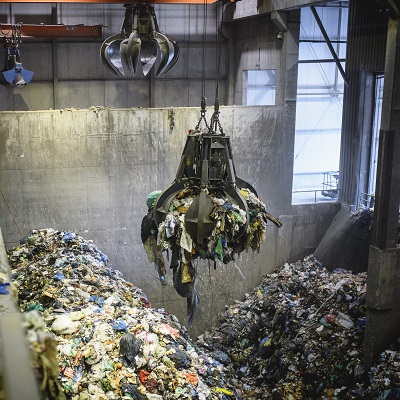
There are over 50 fully operational Energy from Waste plants in the UK as of 2023. These plants convert domestic residual waste into energy, harnessing approximately 2.5% of the UK’s total energy generation every year.
There are many regulations and taxes in place that require Energy from Waste plants to ensure that safe and effective feedstock is used and that safer emissions are produced, safeguarding the planet and public health. Our energy recovery analytical services will help you maintain compliance and support a safer, healthier world.
Marchwood is the UK’s leading RDF/SRF, environmental, and occupational hygiene analysis laboratory. For more information on our services, contact us.

What energy from waste services are available?
We offer a range of UKAS accredited services to help businesses maintain compliance with legislation and protect the planet. These include assessing the suitability of RDF/SRF and biofuels as alternatives to fossil fuels via proximate, ultimate, and energy analysis. Contaminants are also an issue of concern in energy from waste, so we also offer heavy metals and POPs analysis.
Particle size, bespoke and standard manual sorting services are available. The industry faces difficulties in providing homogenous samples as these matrices are heterogenous. We offer sample processing that gives a homogenous sample, giving you accurate, reliable results every time.


What regulations and guidelines must be followed for energy from waste?
Energy from waste, feedstock suitability, and reducing emissions are key initiatives enforced by regional Environmental Protection Agencies. These protection agencies set permits for every facility depending on individual operating conditions that must be followed.
Why should I use Marchwood for energy from waste analysis?
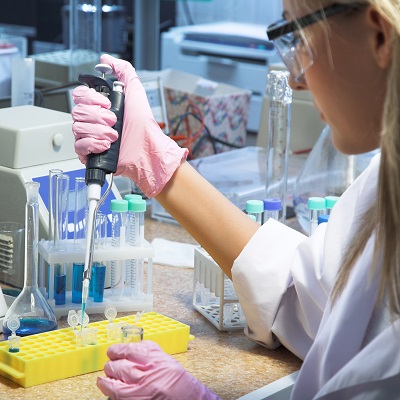
As the UK’s leading specialist laboratory for energy recovery analysis, we provide high quality, accurate analytical services for the energy from waste industry. Our investment in state-of-the-art equipment, as well as our years of experience, provides confidence in our robust data. Our expertise means we can work closely with customers to develop cost-effective and timely solutions for specific requirements.
What do I get with energy from waste analysis?
A Cawood-affiliated company provides ISO on-site sampling services for our customers, making the sample process for energy from waste analysis and other services as easy and efficient as possible. All sampling plans are produced on a case-by-case and sit-by-site basis to ensure the best process for your facility. Using ISO procedures for sampling and accredited testing techniques means that all results are reliable and accurate to help you meet compliance and effectively safeguard our planet. We also support you with expert technical advice.
Frequently asked questions
What are RDF and SRF?
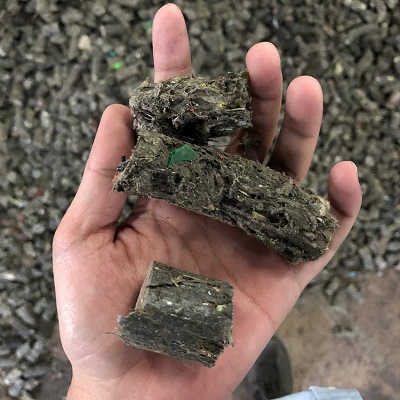
Processed non-recyclable household (or municipal) waste can be used to produce both Refuse Derived Fuel (RDF) and Solid Recovered Fuel (SRF). RDF and SRF are burned to recover energy and generate electricity at energy recovery plants.
Both waste types are processed before they can be used for energy recovery. Treatment of RDF includes removing materials that will not combust, such as metals and glass, and residual material can then shredded. SRF also goes through additional processing to improve its quality and therefore its value. This makes them ideal high-quality alternatives to fossil fuel.
Why test feedstock for renewable energy?
RDF/SRF and biofuels are tested for their suitability as feedstock for renewable energy. This allows plants to classify their waste depending on their characteristics, identifying the waste that is better suited for renewable energy than others. By selecting the samples best suited for energy recovery, you can change feedstock and take advantage of lower prices and better availability of feedstock whilst delivering high quantities of renewable fuel.
Not only is RDF and SRF therefore used as viable landfill alternatives, reducing the impact and pressure on our environment and the planet, but this process means you can maintain compliance and make profit whilst supporting a safer, healthier world.
What is the RDF/SRF suite of analysis?
Our RDF/SRF analytical capability assesses the energy value of waste materials through combustion, giving both a gross and net calorific value figure. Energy is generated from non-recyclable waste streams prior to processing, which can be assessed both by suppliers of RDF/SRF as well as the energy recovery plant.
The basic tests routinely performed for waste fuels are proximate and ultimate analysis and calorific value. Other useful measurements include heavy metals, biomass content, bulk density, particle size, and distribution by manual sorting, and waste characterisation by WM3 and WM3 POPs.
Does Marchwood offer a sampling service for energy from waste?
A Cawood-affiliated company provides ISO on-site sampling services for our customers, making the sample process for energy from waste analysis and other services as easy and efficient as possible. All sampling plans are produced on a case-by-case and sit-by-site basis to ensure the best process for your facility. Using ISO procedures for sampling and accredited testing techniques means that all results are reliable and accurate to help you meet compliance and effectively safeguard our planet. We also support you with expert technical advice.
Why is it important to test biomass?
Biomass testing determines the level of biogenic (natural) carbon, which is used for energy recovery. Analysis is required to check the fuel’s specification and composition to ensure high quality and efficacy.
Testing the usability of biomass as fuels also helps organisations like zoos identify sources of green energy from their daily operations. Additionally, when biofuels are stored in large quantities for a long time, they can spontaneously ignite, or sometimes even explode—so testing ensures their safe storage and adherence to safety requirements.
Ultimately, testing allows businesses to be certain how much energy can be generated from the biomass for more effective and efficient eco-friendly practices. This allows industries to develop in sustainable and practical ways. Read our expert blog on Marwell Zoo to learn more.
What are the benefits of using biomass for energy?
Some benefits include:
- They provide a sustainable, eco-friendly energy source
- They can be easily obtained—locally and indefinitely
- They reduce reliance on fossil fuels
- They are a carbon neutral source of energy
- All regions within the UK can produce biomass, creating local business opportunities, supporting the rural economy, and minimising transport and environmental costs
- Utilising wood as biomass gives businesses an economic incentive to manage woodland, helping to improve biodiversity
- If biomass residues, co-products and waste are not used, they will rot, generating CO2 and methane, which is 21 times more potent than CO2
Read our expert blog to learn more.
What is carbon-14 testing?
Currently a hot topic in the waste industry, carbon-14 testing is the most accurate way of measuring biogenic carbon, which is carbon that is released as a result of burning organic material, such as biomass and its derivatives. This analysis will help energy from waste operators offset the amount of carbon taxes they pay by determining the split ratio of biogenic carbon vs fossil carbon being released into the atmosphere.
Read our expert blog to learn more.
What is the carbon tax and what do I need to do?
The carbon tax, which is set to be implemented in 2028, will require energy from waste operators to monitor their carbon emissions. If that’s you, the amount of carbon tax you pay will be based on how much biogenic carbon you are releasing, meaning that if you can differentiate between biogenic and anthropogenic carbon through analysis, you can offset your costs. That’s how we can help! Contact us for more information or read our expert blog to learn more.
What WM3 analysis options are there?
Nearly all household, commercial, and industrial wastes need to be classified. Waste producers, carriers, importers and exporters must classify and assess their waste material as either hazardous or non-hazardous to determine if it can be recycled or disposed.
As the UK’s market leader in municipal waste analysis, we help customers ensure full, up-to-date compliance with timely and reliable WM3 and WM3 POPs analysis. Guidance is provided to help producers, managers, and regulators classify waste accurately to make sure it’s recycled or disposed of properly.