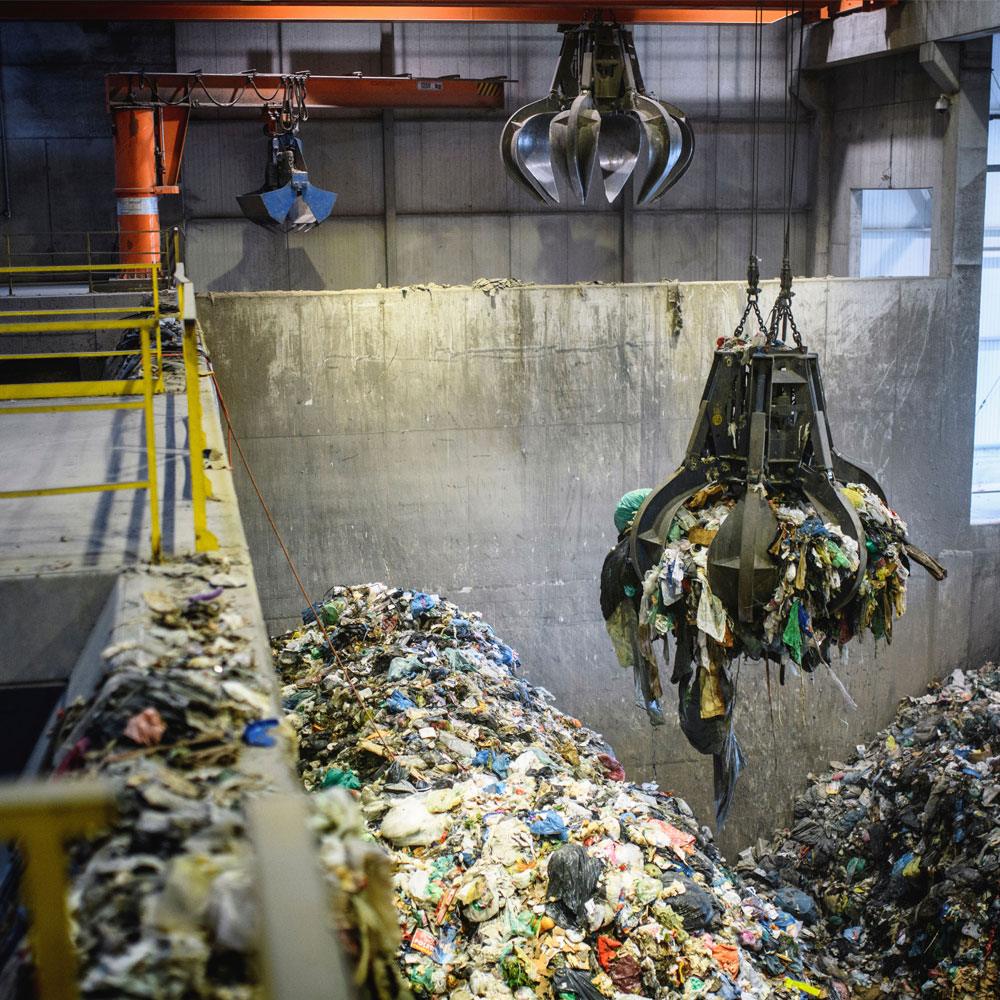
Supporting safe construction activities and waste disposal
Investment in infrastructure is key for sustainable economic growth. An increasing population and the effects of climate change have led to rapid urbanisation, requiring a continual programme of construction and the development of municipal infrastructure to cope with the additional energy and water requirements and the increase in household waste.
Professional monitoring, sampling and analysis helps developers achieve planning consent, and providers of services to maintain infrastructure and manage compliance.
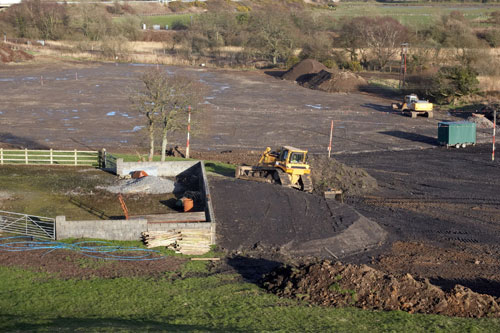
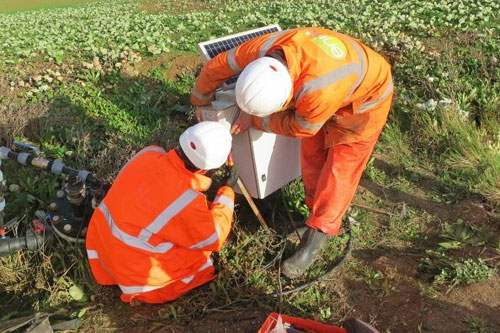
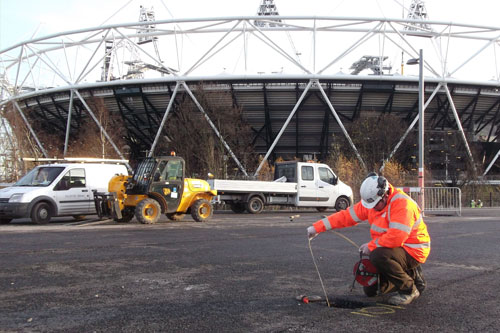
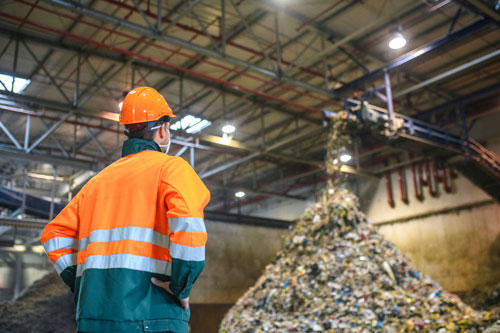
As the UK’s leading provider of independent industrial field monitoring and sampling services, Cawood’s highly skilled team acts as the ‘boots on the ground’ for our customers. We are also a leading dioxin and furan analysis laboratory, with decades of expertise in waste characterisation as well as energy generation analysis. Our innovative control equipment and state-of-the-art analytical instrumentation deliver a specialist service for customers looking for professional, reliable support to help them adhere to regulations.
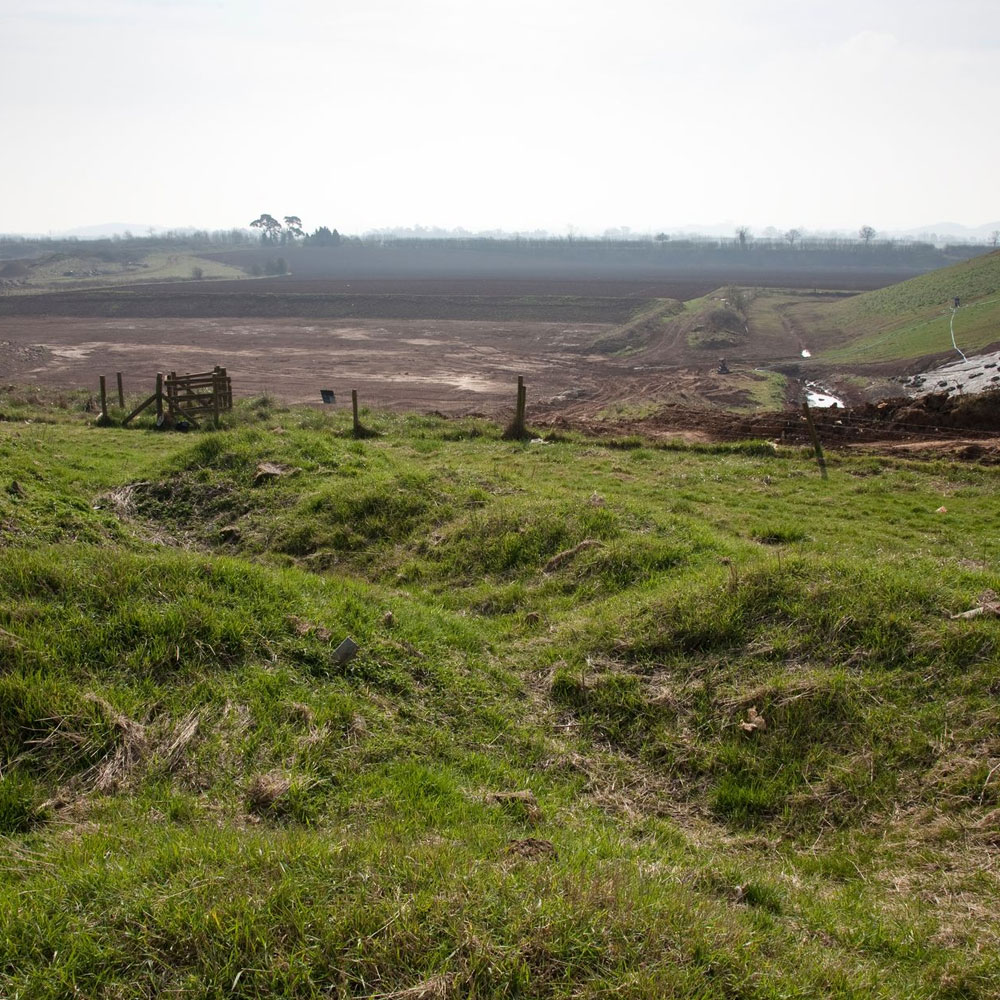
Achieving planning consent for brownfield sites
Planning permission is easier to obtain for brownfield than for greenfield sites. This is largely due to the UK’s need for housing as well as its Sustainable Development strategy, which encourages brownfield site development to protect wildlife and the environment. However, any contaminated land or hazardous materials need to be cleaned up and removed to meet strict planning conditions and obtain planning permission. Field-based soil, air and water monitoring and sampling services with the latest calibrated equipment are required to undertake ground investigations, risk assessments and any remedial works needed prior to development.

Managing compliance for waste disposal
Current regulations require producers, carriers, disposers and their advisers to classify waste material as either hazardous or non-hazardous. Whether the waste is contaminated soil waste in ground investigations for planning consent, compost and horticulture, or waste wood, analysis and classification are required to ensure full, up-to-date compliance.
Some waste, such as processed non-recyclable municipal waste, can also be repurposed as RDF or SRF to recover energy and regenerate electricity. Waste-derived fuel, syngas, landfill gas and biomass fuels analysis services are used to determine the suitability of waste, as well as Biomethane Potential analysis to help determine the right feedstock for AD plants for efficient renewable energy generation.