


Marchwood adds PFAS chemical analysis services
17th February 2022Marchwood has added PFAS substances testing to its analytical services. Marchwood has since expanded its service to 52 PFAS analytes to help companies comply with upcoming legislation, safeguard public health, and protect the environment.
‘Perfluoroalkyl and polyfluoroalkyl substances, abbreviated to PFAS, are a group of synthetic chemicals used to make fluoropolymer coatings that help to resist heat and repel oil, stains, grease, and water,’ said Simon Rudd, Environmental Business Development Manager at Marchwood (South). ‘You probably have quite a few things in your home which contain PFAS, like anti-stain clothing, furniture, or non-stick pots and pans. More commonly known as “forever chemicals”, they do exactly as you’d expect: once made, they persist in the environment for a very long time, potentially contaminating our food, water and air. That’s why it’s important for labs like ours to test for PFAS.’
PFAS includes around 4,700 manmade chemicals, such as Perfluorooctane sulfonate (PFOS), developed to protect fabric surfaces and materials against grease, stains, and water, and Perfluorooctanoic acid (PFOA), which is used to make Teflon. PFOS-containing products such as cleaning agents, paints, and sprays, as well as flame retardants can stay in the environment for millennia, move through soils, and bypass wastewater filtration systems without breaking down. PFAS are hazardous to public health, and high levels could adversely affect reproduction, thyroid function, the immune system, and damage the liver.
‘While the UK, US and EU prohibited the production and use of PFOS over twenty years ago, they are still in use,’ continued Simon. ‘They can even be found in incinerator emissions. PFAS and PFOA-related compounds are listed in the Stockholm Convention as Persistent Organic Pollutants. The UK Environment Agency is talking about PFAS in its chemical investigation programmes, and there are upcoming requirements for utilities to start looking for them in recycling plants as well as in drinking waters.
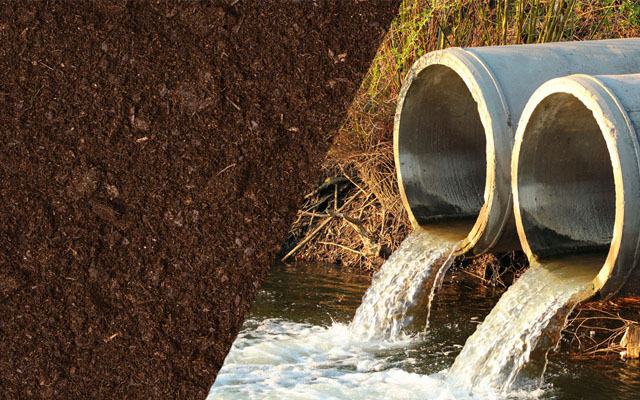
‘By analysing waste material, effluents, sewage, soils, and biosolids before they are spread to land, we are taking an active role in limiting exposure to PFAS and supporting a safer, healthier planet.’
For more information on our chemical analysis services, contact us.
This news article has been updated to reflect changes made in 2026.