


Foolproof forage: testing fresh grass and forage for optimal livestock nutrition management

Sciantec
Agriculture
The quality of forage has a considerable impact on nutrient and dry matter consumption in livestock, which in turn improves productivity. For dairy cattle, for example, the inclusion of high quality fresh forage in the diet increases milk production. Higher quality forage is easier to digest, making the nutrients more available to the animal, and therefore reducing the amount of hard feed required. This in turn helps reduce the incidence of nutrition-related diseases such as sub-acute ruminal acidosis (SARA).
Forage: a balancing act
Most livestock farmers have forage immediately available either for summer grazing or winter silage. Analysing its nutritional value is a beneficial exercise as it allows the nutrient content to be accounted for in planning herd nutrition. It also enables crop nutrition and fertiliser programmes to be tailored, to provide the highest quality forage available.
Balancing the nutrition that animals receive from grazing with supplementary forage, as well as compound feed, is important to enable rationing for optimal performance. By testing forage with either Near Infrared Reflectance spectroscopy (NIR/‘wet’) or wet chemistry on a regular basis, including grass and maize silage, livestock nutrition plans can be managed efficiently and reliably to improve animal welfare, maintenance needs, productivity, and profitability.
For the environmentally conscious, there is a further benefit of growing forage. The NFU has set out a target of reaching zero carbon emissions by 2040, a full decade ahead of the UK government’s goal. Long-term grassland provides an effective carbon sink, which in future may contribute to farm income.
How to take forage samples for analysis
The technique most widely used and accepted in the UK for testing forage samples is NIR, where infrared light is used to analyse feed materials for nutritional content.
When sampling fresh grass forage:
- Use clean scissors to cut a couple of handfuls of grass 2cm above the ground at 6 to 10 sites across the field.
- Follow the optimal W pattern across the area, sampling as you go.
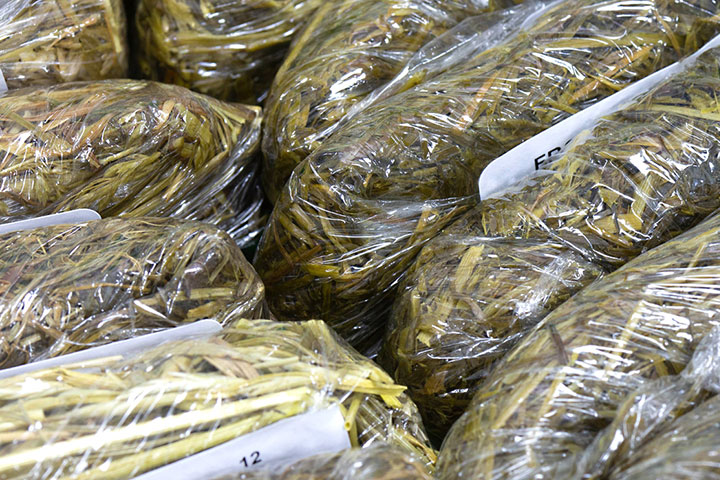
- Fill your sample bags (one per sample) and ensure all the air is squeezed out.
- Ensure the details written on the bag correspond with the details entered on the template request forms provided by the laboratory.
- Samples can then be posted to the laboratory for testing.
- Avoid sending samples towards the end of the week to prevent them being held in transit over the weekend.
Nutritional results by NIR are provided within 24-48 hours, with individual result reports for each sample. The results are reported on a ‘Dry Matter’ (DM) basis stated as low, standard or high for each parameter reported. Reports are formatted specifically for each forage type.
Send in your forage samples today for dependable livestock nutrition planning
With over 30 years’ expertise in animal feed analysis and our extensive experience in the agriculture sector, Sciantec carries out reliable, accurate nutritional analysis of forage samples by NIR. For more information or to book, contact Rachel Rawson.
Visit Sciantec