


Early harvest: what it means for grain quality

NRM
Agriculture
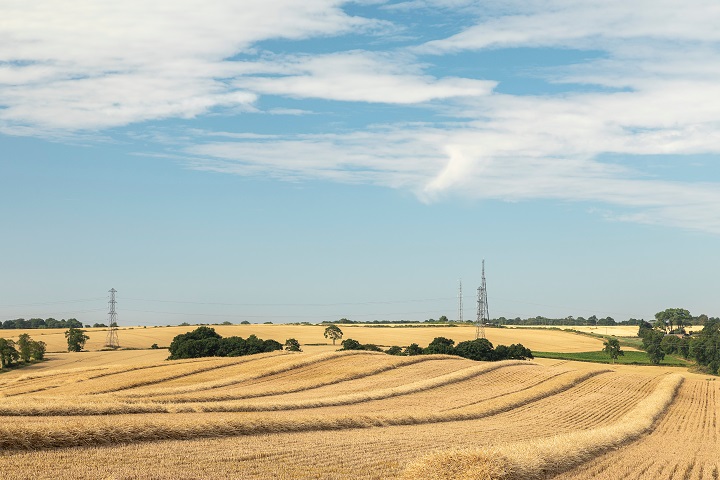
The exceptionally early 2026 UK harvest is set to deliver a mixed grain quality picture.
A series of heatwaves throughout May, June and July accelerated crop development, bringing cereals to maturity earlier than normal and contributing to one of the earliest harvests in recent years. The Met Office recorded exceptional temperatures during this period, including England’s warmest June on record and the first year in which temperatures exceeded 35°C in May, June and July.
While the dry harvest conditions have supported timely operations, the prolonged heat is likely to have shortened grain-fill periods and accelerated senescence in some crops, potentially affecting grain size, specific weight and overall quality. With quality expected to vary between regions, farms and fields, grain analysis will be essential for understanding crop performance and ensuring grain is marketed into the most appropriate end-use markets.
Likely grain quality issues
What issues are we likely to have due to the hot weather and early harvest?
1. Reduced yield from shortened grain filling
The biggest effect of heat and drought during grain fill is usually smaller grains rather than fewer grains. Crops mature early, with less time to accumulate starch, leading to:
- Lower thousand-grain weight (TGW)
- Reduced grain size
- Potentially lower specific weight, especially where drought was severe
- Greater field-to-field variability
The AHDB highlighted risks from accelerated senescence and restricted grain filling during the late-June heatwave in its June crop reports.
2. Very low harvest moisture
Many early barley and wheat crops are reportedly arriving at 10-13% moisture, with little or no drying requirement. Many farmers harvested early in the morning to take advantage of the moisture levels at that time.
Low grain moisture contents are generally positive because they reduce or eliminate drying costs, and the risk of sprouting and Fusarium infections reducing spoilage whilst in storage. However, extremely dry crops can suffer:
- Increased grain skinning and mechanical damage
- Higher combine losses if settings are not adjusted
- Loss of marketable weight because grain yield is adjusted and sold on actual moisture content rather than standard moisture basis
Farmers often say they are “losing yield to grain dryness” when crops are harvested at substantially below-standard trading moisture.
3. Increased protein concentrations
Drought often reduces grain starch deposition more than grain nitrogen accumulation, increasing grain protein and nitrogen concentrations and potentially raising the Hagberg Falling Number (HFN). Several harvest reports have indicated elevated wheat protein levels and high Hagberg values.
The HFN is a key indicator of grain quality, measuring alpha-amylase activity in wheat. Higher values typically indicate good grain integrity and suitability for milling, whereas low values can signal pre-harvest sprouting, leading to poorer processing performance and potential downgrading of grain quality.
4. Increased numbers of screenings and small grains
On droughted land, the risk increases for:
- Thinner grains
- Increased screenings (proportion of small, shrivelled or broken grains that pass through a specified sieve during testing)
- Losses against malting barley specifications
- Reduced milling extraction rates
It has been reported that some early barley samples showed thinner grains and elevated screenings.
What does this mean for nutrient recovery?
This is where things get even more interesting. The grain may contain higher concentrations of nitrogen, phosphorus, and some micronutrients, but the crop often yields fewer tonnes.
The table below shows nutrient concentration versus total nutrient removal in the grain at harvest.
| Scenario | Yield | Grain N (%) | N removed |
| Normal year | 10 t/ha | 2.0 | 200 kg N/ha |
| Drought year | 8 t/ha | 2.4 | 192 kg N/ha |
N removed (kg N/ha) = Grain yield (t/ha) × Grain N concentration (%) × 10
Using the examples in the table:
- Normal year: 10 t/ha × 2.0% × 10 = 200 kg N/ha
- Drought year: 8 t/ha × 2.4% × 10 = 192 kg N/ha
The factor of 10 converts tonnes per hectare and percentage nitrogen into kilograms of nitrogen per hectare.
This example illustrates that, despite the lower yield, the increase in grain nitrogen concentration from 2.0% to 2.4% resulted in a total nitrogen offtake that was very similar, although slightly lower in this case.NRM’s easy-to-use grain nutrient offtake calculator can help farmers estimate nutrient offtake based on measured GrainCheck results. Send us your samples now to take advantage of this tool and see how your crops fared this year – and figure out how to adapt your nutrient strategy next season.
Why is nitrogen recovery efficiency reduced in dry soils?
Overall nitrogen recovery efficiency can be reduced because dry soils restrict:
- Root activity and uptake
- Mass flow of nitrate to roots
- Late-season nitrogen uptake
The AHDB has reported that moisture stress limits nutrient uptake in dry seasons. As a result:
- Fertiliser N applied during dry spells and later in the season remains unused
- More residual soil nitrogen may be present after harvest
- Nitrogen use efficiency (NUE) declines
Phosphorus and potassium recovery
P and K movement in soil depends partly on moisture. Under drought conditions, root interception declines, nutrient uptake slows, and less nutrient is transferred into the grain. The total nutrient offtake is often lower for P and K because overall grain yield is reduced.
Where straw yields have been reduced:
- Less K is exported if straw is removed
- More nutrient may remain in the field if straw is chopped and incorporated
Potassium is especially important because much of it accumulates in the straw rather than the grain.
What should farmers watch post-harvest?
Given the conditions in 2026, it is important to focus on collecting accurate post-harvest data to support both crop marketing decisions and nutrient management planning for the following season. Grain nutrient analysis should be a priority, as measuring the actual nitrogen (N), phosphorus (P), and potassium (K) removed in the harvested grain provides a more accurate basis for replacing nutrients and maintaining soil fertility. Assessing residual soil mineral nitrogen (SMN) levels after harvest is also valuable, although particular emphasis should be placed on carrying out Soil Nitrogen Supply (SNS) measurements in the spring to better understand available nitrogen and refine fertiliser strategies for the following crop.
From a crop quality perspective, specific weight and grain screenings should be closely monitored, as they are key indicators of marketability and can significantly impact crop value. For growers producing milling wheat or malting barley, protein levels remain especially important, as they determine whether grain meets end-market specifications and attracts premium prices.
Finally, the contribution of straw nutrient returns should not be overlooked. Where straw is incorporated, valuable nutrients are recycled back into the soil, with potassium returns being particularly significant and deserving consideration when calculating overall nutrient requirements for future crops.
For many UK farms, the key question after harvest may not be grain drying, but whether a significant amount of nitrogen has been left behind in the soil profile because drought restricted uptake during key stages of crop growth.
How NRM can help
Grain analysis not only reveals how crops performed, but also how farming systems can adapt and improve to better handle future extremes.
NRM’s GrainCheck service include the major nutrients and key minor nutrients essential for healthy crop growth.
Our easy-to-read reports include known benchmark nutrient thresholds (pertinent to wheat) and explain how your crops compare. These insights, including expert advice, guide farmers and advisors in adjusting their nutrient strategies to achieve more sustainable crop production.
You can also use our GrainCheck calculator to help you work out how many kilograms per hectare of nutrients have been removed by the crop at harvest.
Now is the time to send in grain samples for analysis. For more information or to arrange analysis, speak with your agronomist or contact NRM directly.
References
https://ahdb.org.uk/cereals-oilseeds/crop-development-report
https://ahdb.org.uk/news/analyst-insight-don-t-let-your-profits-dry-out
https://www.fwi.co.uk/arable/harvest/harvest-2026-light-land-crops-struggle-and-some-osr-wins
Visit NRM