


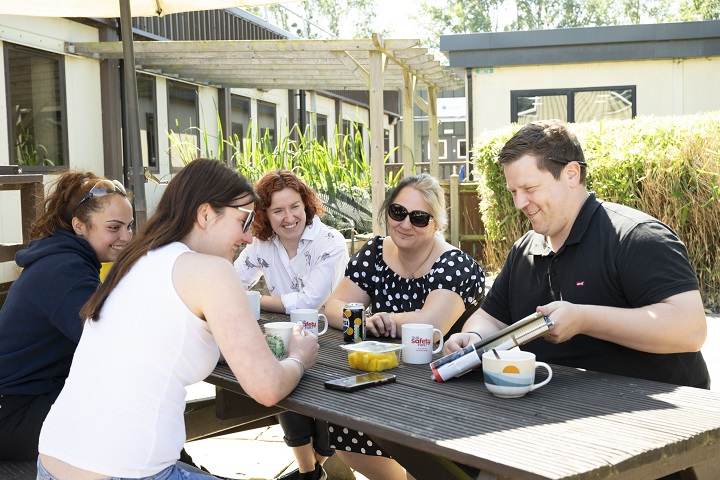
6 ways to protect your mental health

Cawood
Agriculture
Environment
Mental health is just as important as physical health. Yet it can be overlooked, especially in busy working environments.
This week is Mental Health Awareness Week: the UK’s biggest week to focus on good mental health. To mark the occasion, we at Cawood are looking deeper into mental health, both at work and at home, so that we can all take steps towards improving our quality of life.

What is mental health?
Mental health is a state of well-being that allows us to cope with life’s challenges, enjoy positive experiences, and contribute to our communities. It’s just as important as physical health and affects how we think, feel, and behave.
Without effective support, mental disorders and other mental health conditions can affect a person’s confidence and identity at work, capacity to work productively, absences, and how easily it is to get a job or keep your current one.
The widescale impact of mental health
The reality is that mental health challenges are incredibly common. Every year, 1 in 4 people experience a mental health issue, and the impact is felt across workplaces nationwide.
Figures from 2024-2025 highlight the scale of the issue:
- 964,000 workers are currently suffering from existing work-related stress, depression, or anxiety
- 409,000 workers reported a new case of work-related stress, depression, or anxiety in 2024-2025
- 1 million working days were lost due to these conditions
Mental health challenges often come from work-related stress. This can arise from issues like heavy workloads, long working hours, tight deadlines, money worries, travel, and more.
The importance of good mental health
These numbers are more than statistics: they represent our colleagues, friends, and family members. Working towards better mental health both in our workplaces and personal lives is essential because it dictates how we think, feel and behave, directly influencing every aspect of our lives.
Key reasons why good mental health is important include:
- Its connection with physical health. Chronic stress, anxiety, and depression can lead to physical issues, including impaired immunity and increased risk of heart disease.
- It helps us cope with life stress, providing us with the emotional resilience needed to handle daily stresses, hardships, and major life changes.
- It enhances our ability to interact positively, form healthy relationships, and connect with others.
- Increased focus, decision-making, and productivity in work or daily tasks.
- An improved quality of life, allowing people to feel confident, calm, and satisfied.
Taking steps to support mental health, such as finding work-life balance and seeking support, is as important as caring for physical health.
6 ways to protect your mental health
1. Spend time with friends or family
Whether you like getting down to the pub after work, going on a hike with your other half, or jumping onto a video game with friends, everyone needs strong social connections to maintain good mental health.
Talking to people you trust can help you process challenges, reduce stress, and feel supported. Regardless of if it’s a quick chat, a meal together, or a phone call, staying connected helps build resilience and reminds you that you’re not alone.
2. Get enough sleep
Sleep and mental health are closely linked. Poor sleep can increase stress, affect mood, and reduce your ability to cope with daily pressures.
Top tips for getting enough sleep:
- Aim for a consistent sleep routine by going to bed and waking up at the same time each day.
- Creating a relaxing bedtime environment, free from screens and distractions, can make a noticeable difference.
- Limit caffeine after 5pm – or earlier if you’re sensitive to it.
- Getting regular physical activity can help you fall asleep faster and deeper, but avoid intense workouts close to bedtime.
3. Eat healthy food
Did you know that what you eat can have a direct impact on how you feel?
A balanced diet helps regulate energy levels, improve concentration, and support overall wellbeing. Try to include a mix of fruits, vegetables, whole grains, and proteins in your meals, and stay hydrated throughout the day. Additionally, reducing sugar and caffeine and trying to avoid fluctuations in energy and blood sugar levels will help keep you regulated throughout the day.
Small changes can lead to lasting improvements.
4. Exercise regularly
Physical activity is a proven way to boost mental health. Exercise releases endorphins, which are chemicals in the brain that improve mood and reduce stress.
You don’t need an intense routine; even a short daily walk, stretching, or light activity can help clear your mind and increase your energy levels. You can double up on good mental health practices by getting your socialising in at the same time: try joining a sports team, signing up to a fitness class or running club, or going to the gym.
5. Take breaks at work
It can be difficult when deadlines and meetings seem unrelenting, but it’s important to take regular breaks during the day – especially as work-related stress is a significant contributor to poor mental health.
Stepping away from your desk, even for a few minutes, can help you reset, improve focus, and prevent burnout. Try to build short breaks into your day and make time to properly switch off during lunch.
6. Spend time in nature
Have you ever been having a bad day, and realised you’ve been cooped up inside for hours?
Being outdoors has a calming effect on the mind. Fresh air, natural light, and green spaces can help reduce stress and improve mood. Whether it’s a walk in the park, time in the garden, or simply getting outside during your break, connecting with nature can have a powerful impact on your wellbeing.
Looking after your mental health doesn’t require major changes. Small, consistent actions can make a big difference over time. By prioritising your wellbeing, you’re not only helping yourself, but also contributing to a healthier, more supportive workplace for everyone.
Mental health at Cawood
At Cawood, we take mental health seriously. We offer all our colleagues help and advice, either through the company or through our Employee Assistance Programme (EAP) that provides everyone with immediate and confidential help for any work, health, or life concern, 24/7.
This week, our mental health first aiders are visiting all our sites to spread the word on the importance of mental health, and to provide colleagues with the opportunity to talk to us about what’s on their minds.