


Sulphur webinar: bonus Q&A from the NRM/Rothamsted webinar

NRM
Agriculture
On Wednesday 19th February, we hosted an innovative sulphur webinar entitled “Optimising sulphur nutrition to maximise yield and quality” alongside Rothamsted Research.
The full sulphur webinar recording is now available, so you can catch up on all the key insights and expert discussions at your convenience here. From the latest research on sulphur and its impact on agriculture to insightful data, practical insights, and innovative strategies for optimising sulphur nutrition, we hope you find it valuable and informative.
However, a few questions remained unanswered due to time constraints during the sulphur webinar. So that you don’t miss out, we’re answering them here.
Bonus Q&A: sulphur webinar

#1: Is there any correlation data for grassland in relation to sulphur and the other nutrients, such as crop tissue analysis? What does it suggest?
Yes! Research highlights a strong correlation between sulphur application and improved grass growth, particularly in sulphur-deficient areas. Grasslands benefit significantly from sulphur, leading to better protein content and overall yield.
However, it’s important to note that grassland data is complex, as it’s often difficult to know how the crop has been managed to draw out specific conclusions. So, the best thing to do is take your own samples and send them to the lab for analysis.
#2: Should we adjust sulphur application rates when vegetables are in rotation?
Crop residues will return sulphur to the soil. However, unless the nutrients returned by those residues are quickly recovered by the following crop, then sulphur (and nitrogen) will be subject to leaching. Some of the residue sulphur will be complexed into the soil organic matter and into the biological communities that live in the soil.
So—yes, we would recommend applying less sulphur when vegetables are in rotation. But to be certain, it’s always best to take samples for analysis yourself.
#3 What is the most sustainable way to apply sulphur-high fertiliser?
Sulphur is generally safe when applied correctly, but excessive use can contribute to soil acidification. Precision application ensures environmental sustainability.
Sulphur-containing products, which contain a high proportion of S to N, are best suited to high-demand crops—for example, a broad-acre crop such as winter-sown OSR. Typically, a minimum of 75kg SO3/ha would be required, which would amount to 250kg/ha of a 27N 30SO3 product. This could be applied at the first application, or it could be split over two applications.
Plants remove a higher proportion of a small amount, so many farmers adopt the little and often approach for cereal crops.
#4 Do you have any recommendations on foliar sulphur application rates and timing on cereals and vegetables?
Foliar application can be useful for rapid correction of sulphur deficiencies, especially in crops with high demand. However, it’s best used as a supplement rather than a primary source.
The rate and timing of sulphur applied as solid or liquid is the same, and generally it needs to be applied during the rapid growth phase, when crops begin to start growing in early spring. One consideration with applying sulphur via a liquid system is that the products tend to be of a lower concentration—so you end applying sulphur in smaller quantities over repeated applications.
#5 In the early 2000s, there was a lot of discussion around sulphur deficiencies in certain vegetable crops. Have you found this to be the case?
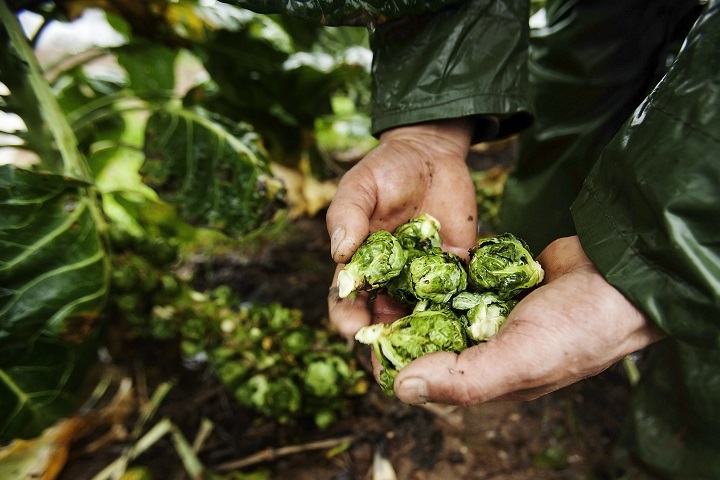
Many brassica-type vegetable crops are likely to be deficient in sulphur, particularly if grown on lighter soil types, which have a higher sulphur demand. Other less sensitive crops may also respond now that the deficiency landscape is spreading beyond the soil and rainfall parameter previously published in RB209.
#6: Can we attribute the very high nitrogen prices in 2022-2023 to the “Putin effect”?
Supplies and the resultant high prices of fertiliser products during this time were affected by the conflict in Europe. However, global fertiliser prices are generally affected by countries such as India and China, which can export high volumes of nitrogen products but also import them from countries like the USA.
These dynamics impact on the volumes of fertiliser products reaching the UK. With no domestic producer, we are at the mercy of imported finished products or the raw materials required to blend fertiliser products.
Can I ask any more questions around sulphur—or agricultural analysis in general?
Of course! We are always happy to continue the conversation around hot topics like sulphur, or to talk in greater depth about our laboratory analysis services and how they can help you optimise crop nutrition.
Follow our LinkedIn page and comment on any of our posts to start a conversation.
How NRM can help
NRM provides UKAS accredited soil analysis, as well as manure and slurry testing services to help you determine nutrient content and requirements. With accurate, timely data, you can make informed decisions on application rates, saving on fertilisers and boosting productivity. Get in touch today or speak to your agronomist.
For more information on our services, contact us.
Visit NRM