


- Technical information
- Download our brochure
- Read our expert blog on forage analysis
- Grass silage analysis for Northern Ireland livestock farmers
Get in touch for a conversation about forage analysis
The most robust forage testing for optimal animal productivity
We test a variety of forages and silages to help livestock farmers better manage their herd nutrition and crop nutrition, and tailor their fertiliser programmes. This helps provide the highest quality nutrition possible for optimal animal welfare and productivity.
Our rapid turnaround option enables you to utilise results as soon as possible to help adjust rations and take variability of nutritional quality within a clamp into account.

What samples can this service be used for?
We offer a variety of forage and silage testing services, including fresh grass, grass silage, maize silage, whole crop, alkalage, lucerne silage, hay, haylage, and crimped cereals. We also offer a new service for livestock farmers in Northern Ireland for grass silage that provides expert interpretation based on the AFBI advisory system. For a quote or more information, fill in the form at the top of this page.
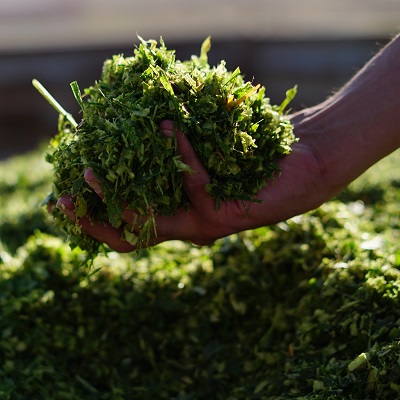

Why do I need to test forages?
Determining the nutrient value of your forages and silages will help you balance the feed portion of the ration accordingly. Checking you are feeding your animals forage that’s high in nutrients reduces the amount of feed required, saving you money and reducing incidences of nutrition-related diseases.
The interpretation provided gives farmers the necessary insight to effectively adjust livestock nutrition for optimal animal productivity and welfare.
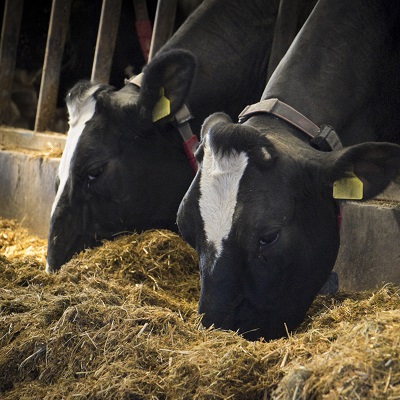
What do I get with forage analysis and how do I order?
Our nutritional results by NIR are reported on a ‘Dry Matter’ basis within 10 working days. We provide our forage analysis kit free of charge as part of our package. These include sample bags, freepost return envelopes, and submission forms (‘track and trace’ envelopes for UK use only). You can make an enquiry for your kit by filling in the form at the top of this page.

Why should I use Sciantec for forage and silage analysis?
We have over 30 years’ experience in animal feed analysis. We are a member of the Forage Analysis Assurance Group, and are a UKAS and GMP+ accredited laboratory, so you can have confidence in the accuracy and reliability of your results.

Frequently asked questions
What equipment do you use for forage and silage analysis?
We have invested in state-of-the-art NIR instrumentation for quality forage analysis. This equipment has an updated configured sample interface and a wider wavelength range, enabling scanning of a greater area and better reproducibility over non-homogenous samples such as forage.
This investment is part of our commitment to continuous improvement, with results more accurate, robust, and reliable than ever before.
How quickly can I get results for forage and silage analysis?
Nutritional results by NIR are reported on a ‘Dry Matter’ (DM) basis stated as low, standard, or high for each parameter reported. All results are available within 10 working days.
This rapid turnaround enables customers to utilise results as soon as possible to help adjust rations and take variability of nutritional quality within a clamp into account.
What is the grass silage service for livestock farmers in Northern Ireland?
Suitable for grass silage for livestock farmers in Northern Ireland, our service provides expert advice based on the AFBI advisory system. If you tell us what livestock you keep on your analysis request form, our experts will provide specialist interpretation of your results.
This gives you the necessary insight to adjust livestock nutrition effectively for optimal productivity.
How do I send forage and silage samples to the laboratory?
We provide our silage analysis pack free of charge as part of our package. These include sample bags, freepost return envelopes, and submission forms.
Once you have your pack, send the samples and forms in one of the freepost envelopes provided. A charge of £3.50 will apply for envelopes weighing over 1kg. Sample delivery to receipt is usually 1-2 working days.
How do I take forage and silage samples?
The best way to take a clean, representative sample is to take multiple samples across the clamp face.
- Take samples in a ‘w’ pattern.
- Combine, mix thoroughly, and split the samples to provide a single representative sample.
- Take about 300g and place in a sample bag.
- When you fill your sample bags (one per sample), ensure all the air is squeezed out.
- Ensure the details written on the bag correspond with the details completed on the template request forms provided by the laboratory (one per sample).
- Samples can then be posted to the laboratory for testing.
- Avoid sending samples towards the end of the week to prevent them being held in transit over the weekend.