


The impact of climate stress on crops and what you can do about it

NRM
Agriculture
June 2023 was the hottest on record. This may seem a distant memory with all the rain and cloudy days we’re having now, but, as is the case around the planet, the sweltering effects of climate change are being felt in the UK more and more each year.
Figure 1 below shows how the mean temperature is rising overall year-on-year compared to the long-term average of 1961-1990. Some of us may be dreaming of staycations and sunbathing all summer long, but this rise in temperature could have some serious consequences for crop production in the UK.
Even though the winter was relatively dry and the spring was quite cold (figures 2a and 2b), 2023 hasn’t been too bad in terms of temperature and rainfall so far. Rainfall during the winter months is not as important for crop growth because their water requirements are lower due to reduced evapotranspiration. This enables more rainfall to soak through the soil surface to recharge the groundwater aquifers ready to be an available source of water for crops throughout the spring and summer.
Compared to the previous several springs, the spring of 2023 received higher than average rainfall, thanks to a very wet March (figure 2b). Both April and May received nearly average amounts of rainfall.
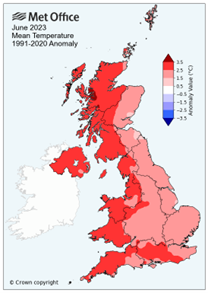
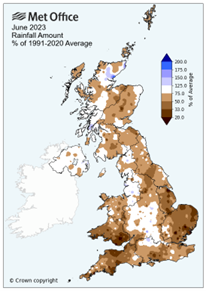
As we said, recent figures from the Met Office show that June 2023 was the hottest (figure 3a) since records began. It was also sunnier than average and relatively dry (figure 3b).
Reduced yields and grain quality can result when high temperatures and low rainfall combine, especially during late spring and early summer when evapotranspiration is high and crops are between flowering and grain-filling. Lighter soils with low organic matter or soils with compaction issues could bear the brunt of such conditions.
Figure 1: Central England mean temperature, 1659 to 2022
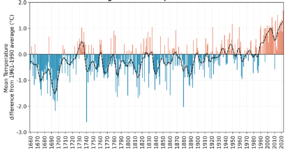
Figure 2: Anomaly maps of mean winter and spring rainfall during 2023 compared to 1991-2020
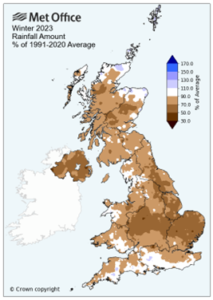
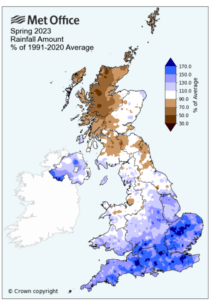
Figure 3: Mean temperature and rainfall anomaly maps, June 2023 compared to 1991-2020
How do heat and drought affect my crops?
Many farmers in the UK have experienced heat and drought-stressed crops this year. Persistent high temperatures and reduced soil moisture availability can disrupt the photosynthetic process. This reduces the production and availability of carbohydrates at grain filling and, as a result, the accumulation of starch in grains may be limited. This will impact their quality and energy content.
Heat and drought stress can affect the grain size and bushel weight. Insufficient water availability also hampers the movement of nutrients to the developing grains. This results in smaller and lighter grains and less grain yield.
A lack of soil moisture can also lead to reduced nitrogen and phosphorus uptake, contributing to decreased protein levels and an imbalance in essential amino acids. This affects the nutritional quality of the grains. Temperature and drought stress during grain filling can also reduce germination potential and shorten storage life.
During hot and dry conditions, the efficiency of nutrient recovery is very much reduced, impacting crop growth and grain formation. Very often these nutrients remain in the soil after harvest and, if not recovered by the following autumn crop, they are at risk of environmental loss through soil leaching and soil surface runoff. You will see a significant economic loss if this happens, as you will have paid for nutrient applications that are not being utilised by the crop.
By taking advantage of NRM’s GrainCheck service at harvest, you can accurately understand how efficiently your crop has used the nutrients applied during its life. Importantly, this will also help you further refine your nutrient management plan for next season.
How can I lessen the impact of heat and drought on my crops?
In the UK, especially in the East, soil moisture can limit crop yield and grain quality during spring and summer. Improving soil water holding capacity is crucial for enhancing plant growth, reducing water stress, and maximising crop productivity.
Here are some strategies to improve soil water holding capacity:
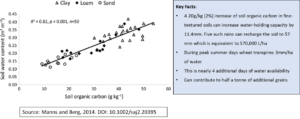
- Addition of organic matter. In long dry and hot periods, soils with higher water holding capacity will retain more water and outperform those with low water holding capacity (see figure 4 below). Incorporation of organic matter such as compost and manure into the soil improves its structure, enhances soil aggregation, increases water infiltration and retention, and improves overall soil moisture management.
Figure 4: Relationship between soil organic carbon and its Water Holding Capacity
- Reduced or no-tillage. Reducing or minimising tillage practices helps preserve soil structure and organic matter content. It leaves crop residues on the soil surface, improving soil structure, enhancing water infiltration, and reducing evaporation, erosion and runoff. This stored water can then be utilised when most needed.
- Alleviate soil compaction. Managing soil compaction is crucial for enhancing water infiltration and water holding capacity. In deep soils, some crops’ roots can grow several metres deep to absorb soil moisture. If compaction exists, roots struggle to penetrate through this layer, exposing crops to the impacts of drought. Avoiding excessive machinery traffic or heavy equipment on wet soils decreases the risk of compaction, reducing pore space and impeding the movement of movement.
- Crop rotation and cover cropping. Implementing diverse crop rotations and incorporating cover crops into the rotation improves soil structure, increases organic matter content, and enhances water holding capacity. Cover crops protect the soil surface, improve soil structure through root penetration, and reduce soil erosion. Selecting crop varieties which are better adapted to your local environment should help them cope better with a changing climate.
It’s important to note that the effectiveness of these mitigation strategies will likely vary depending on the soil type you farm, the impact of climate change, and the adoption of specific management practices.
How has the warming weather made British weather even more unpredictable?
In recent days, the British weather has taken on a fresher and wetter feel, and the forecast remains unsettled for the remaining weeks of July. These conditions bring different challenges ahead of harvest.
Heavy rainfall at just the wrong time can mean yield penalties are incurred and grain quality compromised. If heavy rains land on ripened ears, it can cause grains to be knocked to the ground, preventing them from making it back to the yard.
These weather events are difficult to manage on a per farm basis, but as the industry adapts to more sustainable land systems, our crops will become more resilient to the practical realities of climate change.
How NRM can help
NRM offers expert analytical services to test soil organic matter, crop tissue and grains to help you understand the characteristics of your soil. Considering local agronomic and environmental conditions will help determine the most effective transition towards sustainable management approaches for increased climate resilience.
To find out more about our services, contact us or speak to your agronomist.
Visit NRM