


5 key measurements for optimal soil management

NRM
Agriculture
Why is soil management so important?
Farmers across the UK have faced considerable challenges over the last year. A dry and cooler spring delayed crop growth, followed by droughted conditions and high temperature across the summer that led to rapidly accelerated crop maturity, causing a hurried harvest (Figure 1). However, recent heavy rainfalls could have resulted in this ‘residual nitrogen’ being washed away, meaning that farmers will have to think carefully about next year’s crops now to help them be prepared for Spring and get ahead of any potential issues.
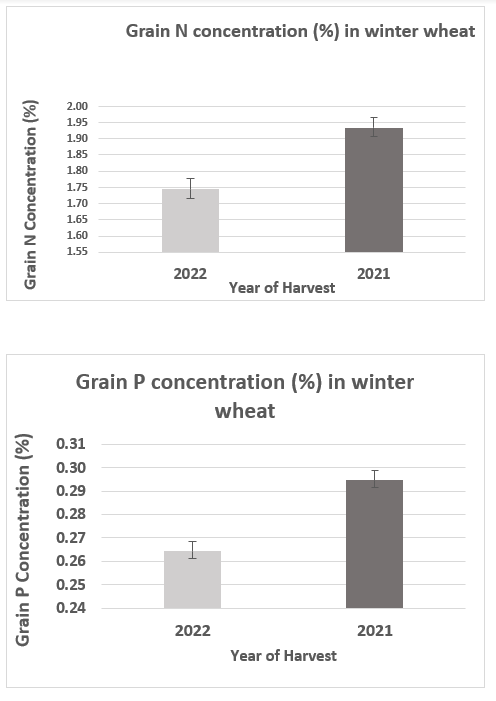
(Figure 1)
The physical, chemical, and biological aspects of the soil, and how they interact, greatly affect soil health and, in turn, crop management and yield. There are 5 key measurements to undertake to help you make sure your crops can withstand any challenges in 2023. Read on to learn more about why you should measure soil health, what needs to be measured, and how NRM can help.
Why should I measure soil health?
Successful crop production relies on healthy, fertile soil. However, four million hectares are at risk of compaction and two million hectares are at risk of erosion in the UK. We have to manage and ultimately improve soil health to ensure crop success by identifying any soil health issues, allowing remediation plans to be put in place, and implementing sustainable farming practices. This will help the agricultural industry keep the nation fed, as well as safeguard the environment so that future generations inherit fertile soils for sustainable crop production.
Measuring soil health and gathering accurate, insightful data enables us to identify these soil health issues and plan ahead to help you withstand challenges for the upcoming season.
What do I need to measure to improve soil health?
To maintain and improve soil health we must understand how the soil’s biological, physical, and chemical functions interact and how to nurture them to support a safer, healthier planet. A combination of laboratory analysis with observational data is crucial to build a knowledge base and inform your soil management plans for 2023.
Here are 5 key measurements you should make this year to help your crops flourish in 2023.
-
Soil pH
Soil acidity can cost yield. When soil pH falls to 5.5, for example, wheat yields can be reduced by as much as 25%. Even if only part of the field is below 5.5, average yields and margins are lowered, showing how important maintaining a neutral pH is to successful crop management.
Low pH impacts yield primarily due to nutrient availability. Nitrogen stays in a form that the plant can’t assimilate, phosphates are tied up in acid soils, and potassium remains fixed to soil clays. So, the three major nutrients are all less available to the plant in an acid soil. At pH 5.5, nitrogen and potassium availability drops to 77% and phosphorus to 48%, in turn reducing crop yield.
Crops also need good levels of biological activity to solubilise and mineralise nutrients, and microbial activity is significantly reduced in acid soils. Additionally, acid soils increase the solubility of plant toxic metals (such as aluminium), which leads to restricted growth.
Once you see any nutrient deficiency appearing in the crop, it’s often too late to take any remedial measures. Regular monitoring of soil pH with expert analysis is essential to maintain yields and maximise nutrient use efficiency. Remember, pH can vary significantly across your farm, so regular soil mapping and analysis can help you target corrective measures where they are needed.
-
Macro nutrients
Macro nutrients, including nitrogen, phosphorus, potassium and sulphur are essential for plant growth and health. Knowing the levels of available nutrients in the soil will help you identify any deficiencies and plan effective strategies.
As the key building nutrient for all crops, nitrogen is responsible for the rapid growth of foliage, plays an important role in photosynthesis, and influences vegetative growth. When there’s a deficiency, you’ll often see stunted crop growth, yellowing of leaves, and weakness during fruiting and flowering, resulting in lower yields.
Whilst nitrogen fertiliser can be applied to avoid deficiency, at £870/tonne, it’s worth checking whether your soil really needs it! NRM’s N-Check analysis service assesses how much nitrogen is left in the soil after Winter to determine how much fertiliser you need to apply in the Spring.
-
Micronutrients, trace elements and other nutrients
Between one third and one half of all soils tested by NRM are found to be deficient in at least one nutrient. Why is this important?
Let’s take calcium as an example. Crops require a continuous supply of calcium, which is essential for the formation of cell walls and membranes. Calcium also stimulates root and leaf development, affects uptake of other nutrients, flocculates the soil for improved soil structure, and is used to correct acidity in soils as calcium carbonate.
It’s very easy for sub-clinical deficiencies to go unnoticed and reduce crop yields. To make sure your soil contains enough nutrients for a healthy crop, we recommend soil testing at least every four years.
-
Soil compaction
Do you understand the structure of your soils? You could have optimal nutrient levels and perfect weather conditions, but without an understanding of the physical aspects of your soil, you could still have issues.
You can start to assess the physical status of any soil by taking a spade and digging inspection holes down to 30cm where possible. Any signs of water logging, which would turn a soil from aerobic to anaerobic, or of compaction, which will inhibit drainage and root development, could result in a restriction of organic matter activity, which in turn leads to poor nutrient and water uptake. The risk of damage to soil structure by compaction is greatest in high clay content soils.
You can reduce compaction by avoiding working wet soil, by adding organic matter and by adding lime. Soil texture maps will help in planning remedial action as soon as conditions allow. Discuss with your agronomist or contact NRM to monitor your soil texture more closely.
-
Soil organic matter (SOM)
Organic matter is how the soil regenerates itself. According to the Soil Association, it’s actually the most important thing that all farmers should monitor. Taking care of SOM is an effective way to monitor soil health and enables you to measure progress, helping you build organic matter levels and improve soil health over time. The higher SOM content, the more fertile a soil is. For example, whilst a 3% SOM content soil typically mineralises about 25kg N/ha, an 8% content soil mineralises around 65kg N/ha.
SOM promotes the growth of plants, protects watersheds, and prevents water and air pollution by buffering potential pollutants. It’s also vital for the functioning of our ecosystems, maintaining and enhancing biodiversity, and for habitat protection, making it a key component of supporting sustainable food production and the environment.
Sending your soil samples to NRM for CarbonCheck analysis will give you an accurate measure of soil organic matter as well as an understanding of soil fertility through active carbon testing. At the same time, you can ask for N-Check analysis, which measures the mineral nitrogen in your soils to help you plan fertiliser applications for the coming season.
Soil analysis services for optimal soil management
We recommend regular soil testing to make the most of what’s already in your soils, help you adjust farming practices to improve soil health, and plan effective crop management strategies. Combining the data from these soil tests gives a detailed view of soil health and potential crop performance, whilst highlighting areas for adjustment throughout the season. Clear, accurate information leads to better decision making, improved inputs efficiency, and higher crop yields.
As you prepare your crop management plans, there’s no better time to start thinking about booking in your soil tests. NRM offers a range of soil analyses to help you optimise productivity and save money on remediation actions. Contact us for a quote.
Visit NRM